
Micronutrients You Might Not Be Getting Enough Of
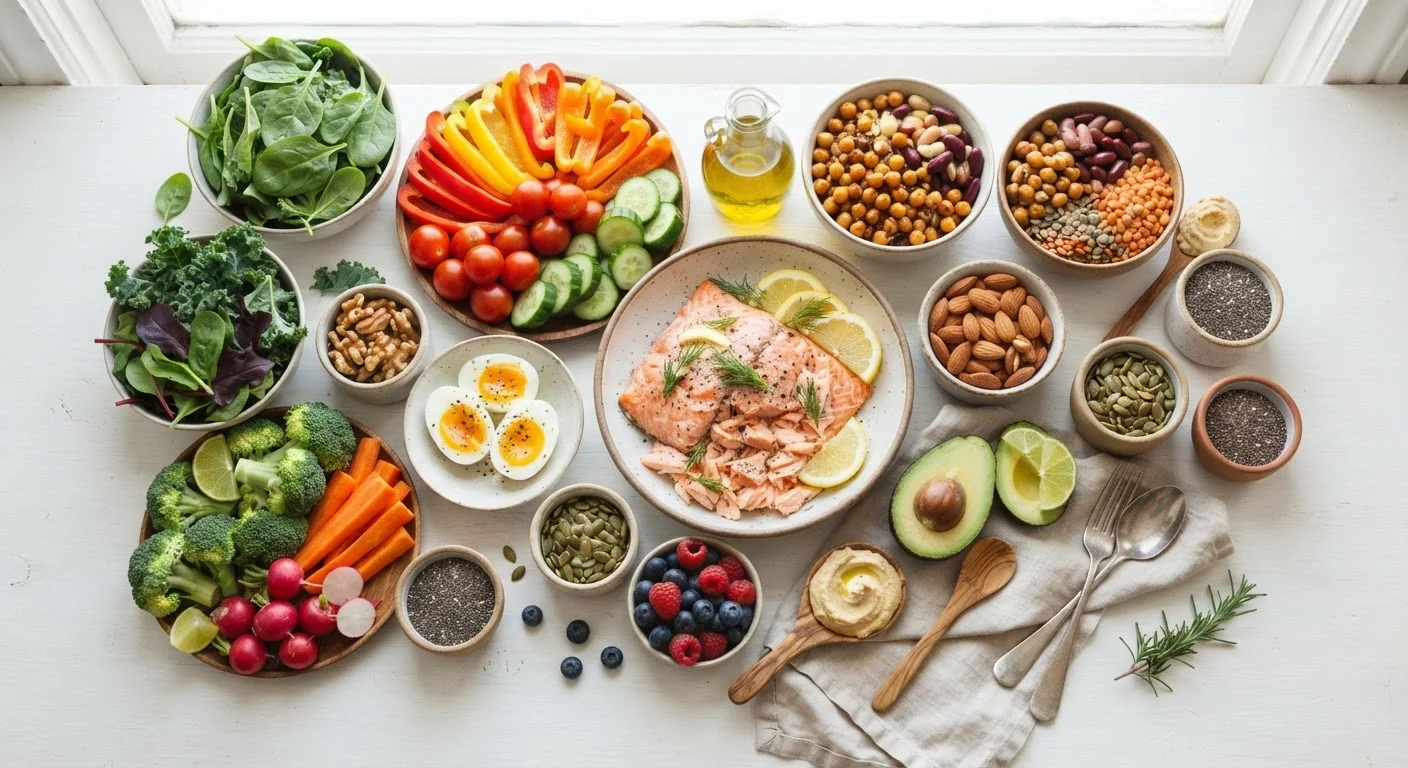
Photo credit: SnippetColumns.com | Easy Search, Reliable Information
Vitamins and minerals do quiet but essential work. Here's which ones many Americans fall short on and what food sources can help.
Key Takeaways
- Several micronutrients — including vitamin D, magnesium, and potassium — are consistently under-consumed by a large share of Americans.
- Whole foods are generally the most reliable way to close micronutrient gaps without risking overconsumption.
- Certain groups, including older adults and people with limited sun exposure, face heightened risk for specific deficiencies.
- Supplements can help in some cases but should be discussed with a healthcare provider before starting.
- A varied diet drawing from multiple food groups covers most micronutrient needs more effectively than any single food or fix.
Why Micronutrients Get Overlooked
Conversations about nutrition tend to orbit around macronutrients — carbohydrates, protein, fat. But the vitamins and minerals quietly operating in the background are just as essential. They support nerve signaling, bone integrity, immune response, energy metabolism, and dozens of other processes your body runs automatically every day.
Unlike macronutrients, micronutrients are needed in smaller amounts — but that doesn't mean they're easy to get. National dietary surveys consistently find that many Americans fall short on several key nutrients, not because they're eating poorly in obvious ways, but because modern eating patterns — heavy on processed foods, light on variety — create predictable gaps. If you're building a foundation of sound nutrition, these core nutrition concepts are a useful starting point before diving into specifics.
The list below covers the micronutrients most commonly under-consumed by American adults, what they do, and where to find them in everyday food.
Vitamin D
Vitamin D supports calcium absorption, bone density, immune function, and mood regulation. The body can synthesize it from sun exposure, but many Americans — particularly those in northern states, people who work indoors, and individuals with darker skin tones — don't produce adequate amounts year-round.
Dietary sources are limited but include fatty fish (salmon, mackerel, sardines), egg yolks, and fortified foods such as milk and some orange juices. Because food sources alone are often insufficient, vitamin D is one of the nutrients a doctor may specifically test for and recommend supplementing — but dosage should be guided by a professional, not assumed.
Many Americans produce insufficient vitamin D year-round, regardless of diet quality.
Magnesium
Magnesium participates in more than 300 enzymatic reactions in the body, including those governing muscle contraction, blood sugar regulation, and protein synthesis. Despite this, surveys suggest a significant portion of Americans consume less than the recommended amount.
Magnesium is found in leafy green vegetables (spinach, Swiss chard), legumes, nuts and seeds (especially pumpkin seeds and almonds), whole grains, and dark chocolate. Heavily processed diets that displace these foods tend to be lower in magnesium. Getting more variety from plant-based whole foods is often enough to improve intake meaningfully.
Magnesium supports over 300 bodily reactions — and many Americans fall short of the recommended amount.
Potassium
Potassium helps regulate fluid balance, nerve signals, and muscle contractions, including the heartbeat. It also plays a role in counteracting the blood-pressure-raising effects of sodium — relevant given that most Americans consume significantly more sodium than potassium.
Bananas are the food most people associate with potassium, but they're far from the richest source. Beans, lentils, potatoes (especially with the skin), avocados, leafy greens, and dairy products all provide substantial amounts. Shifting toward a diet with more whole plant foods naturally moves potassium intake in the right direction.
Most Americans consume far more sodium than potassium — the opposite of the recommended balance.
Calcium
Calcium is best known for bone and tooth health, but it also supports muscle function and nerve transmission. While dairy is the most widely recognized source, it's not the only one — and those who avoid dairy may miss this nutrient entirely without deliberate planning.
Good non-dairy sources include fortified plant milks, canned fish with edible bones (sardines, salmon), tofu made with calcium sulfate, almonds, chia seeds, and dark leafy greens like kale and bok choy. Note that some leafy greens (notably spinach) contain oxalates that reduce calcium absorption, so variety matters here too.
Calcium supports more than bones — muscle and nerve function depend on it too.
Vitamin B12
Vitamin B12 is essential for red blood cell production, neurological function, and DNA synthesis. It's found almost exclusively in animal products, which puts people following vegetarian or vegan diets at meaningful risk for deficiency. Older adults are also vulnerable because the stomach's ability to absorb B12 from food decreases with age.
Reliable sources include meat, poultry, fish, eggs, and dairy. For those avoiding animal products, fortified foods — certain plant milks, breakfast cereals, and nutritional yeast — are the primary dietary options. Supplementation is often recommended for vegans and older adults; a healthcare provider can assess what's appropriate.
B12 deficiency develops slowly but can cause lasting neurological damage if left unaddressed.
Iron
Iron is central to the production of hemoglobin, the protein in red blood cells that carries oxygen. Iron-deficiency anemia is one of the most common nutritional deficiencies worldwide, disproportionately affecting women of childbearing age and people who eat little or no meat.
There are two forms: heme iron (from animal sources, absorbed more efficiently) and non-heme iron (from plant sources). Red meat, poultry, and seafood provide heme iron. Legumes, tofu, fortified cereals, pumpkin seeds, and dark leafy greens provide non-heme iron. Eating non-heme iron sources alongside vitamin C-rich foods meaningfully improves absorption — for example, adding bell pepper or citrus to a bean dish.
Pairing plant-based iron with vitamin C significantly boosts how much your body actually absorbs.
Iodine
Iodine is necessary for thyroid hormone production, which governs metabolism, growth, and development. While iodine deficiency is less common in the U.S. than in some parts of the world — largely because iodized table salt became widespread — it remains a concern, particularly as people shift away from table salt toward sea salt or specialty salts (which are often not iodized).
Seafood and dairy are among the most reliable food sources. Eggs and some grains also contribute. People who follow plant-based diets and use non-iodized salt should pay particular attention to this nutrient. Seaweed contains iodine but in highly variable amounts, making it an unreliable sole source.
Switching to non-iodized specialty salts without adjusting diet can quietly reduce iodine intake.
Filling the Gaps Without Overcomplicating It
The good news is that most of these gaps don't require expensive supplements or specialty foods. Dietary variety — eating across different food groups rather than rotating the same handful of meals — does most of the work. Eating nutritiously on a modest grocery budget is more achievable than many people assume, and prioritizing whole foods over highly processed alternatives naturally lifts intake of many of the nutrients above.
Food First, Supplements Second
Before reaching for a multivitamin or individual supplement, consider whether a few targeted food changes could close the gap. Whole foods deliver nutrients alongside fiber, antioxidants, and other compounds that interact beneficially — something most supplements can't replicate. If you're curious about where your diet may fall short, common missteps even motivated eaters make are worth reviewing first.
That said, some individuals — including older adults, people who avoid entire food groups, those with certain health conditions, or anyone with limited sun exposure — may genuinely benefit from supplementation for specific nutrients. If you suspect a deficiency or belong to a higher-risk group, a healthcare provider can order a blood panel and offer guidance tailored to your situation. This article is general health information and is not a substitute for personalized medical advice.
For a broader look at how micronutrients fit within your overall diet, this reference on daily nutrient intake covers recommended amounts and common food sources in one place.

Author
Health & Wellness Editorial Team
Health & Wellness Editorial Team is the collective byline for our editorial team and contributor network. Articles published under this byline or an editorial pen name are researched, written, and reviewed according to our editorial standards for clarity, consistency, and independence before publication.
View all articles →