
Building a Capsule Wardrobe From Scratch
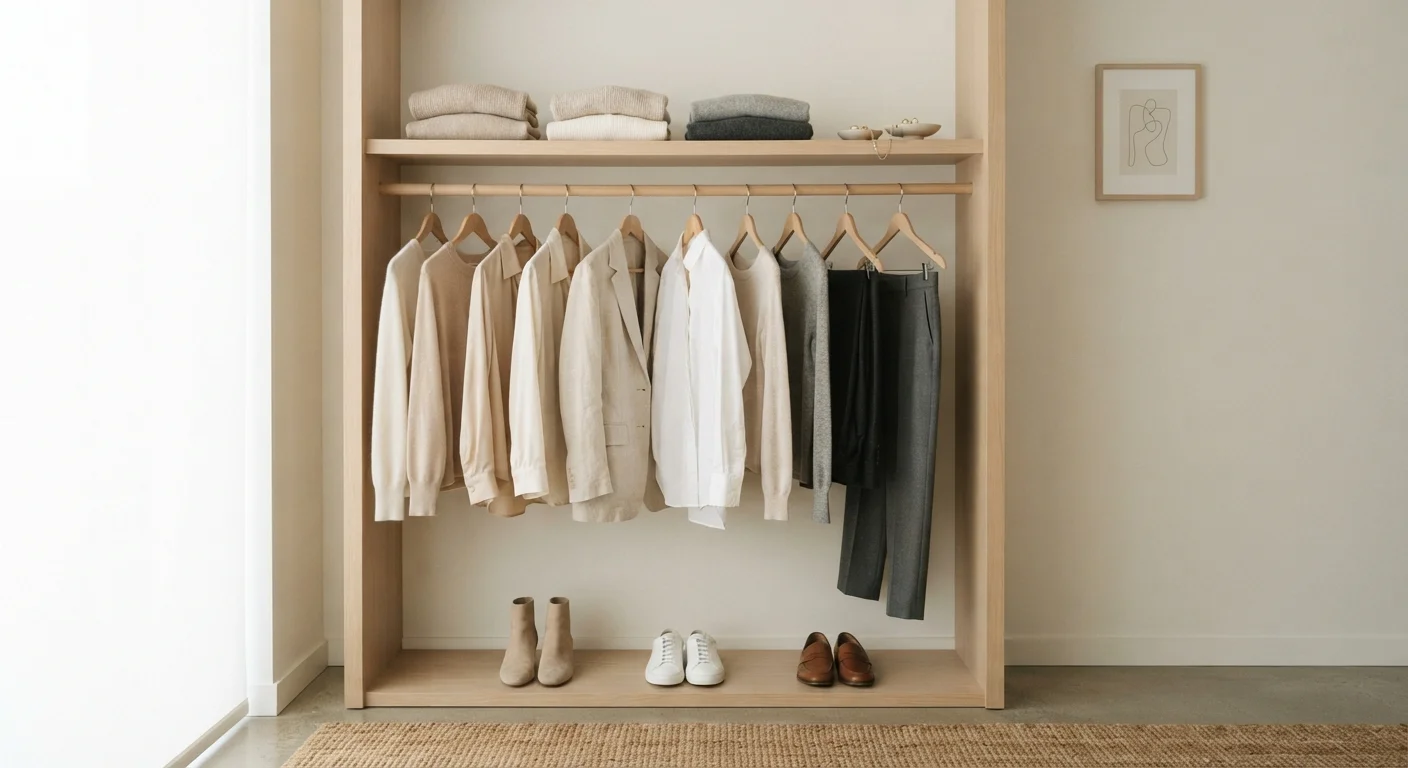
Photo credit: SnippetColumns.com | Easy Search, Reliable Information
In this article
A capsule wardrobe cuts decision fatigue and saves money. This guide walks through every step, from editing what you own to filling genuine gaps.
Key Takeaways
- A capsule wardrobe is a small, intentional collection where every piece works with the others.
- Begin by auditing what you own before buying anything new.
- Neutrals form the foundation; limited accent colors add personality without chaos.
- Cost-per-wear thinking helps justify spending more on pieces you'll wear constantly.
- Gaps should be filled deliberately and one at a time, not in shopping sprees.
What a Capsule Wardrobe Actually Is
A capsule wardrobe is a deliberately small clothing collection in which every piece coordinates with the others, giving you a high number of outfits from a low number of items. The concept dates to the 1970s but has endured because the underlying logic is sound: fewer, better choices reduce the daily friction of getting dressed.
This is not about deprivation or dressing identically every day. It is about designing a closet that reflects your actual life — your job, your social commitments, your climate — rather than an aspirational version of it. If your current wardrobe leaves you feeling like you have nothing to wear despite a packed closet, a capsule approach directly solves that problem.
For a broader look at how a well-built wardrobe can work harder overall, see our complete guide to building a versatile wardrobe.
Capsule wardrobe
A small, intentional clothing collection where every item coordinates with the others, maximizing outfit combinations from a minimal number of pieces.
Wardrobe audit
A systematic review of everything you own to determine what to keep, donate, or discard based on fit, frequency of wear, and versatility.
Cost-per-wear
A way of evaluating clothing value by dividing the purchase price by the estimated number of times you will actually wear the item.
Neutral base
A foundation of clothing in colors like white, black, navy, grey, and beige that pair easily with almost any other item in your wardrobe.
Accent piece
A clothing item in a distinct color, print, or texture added to a neutral wardrobe to introduce personality without disrupting overall coordination.
Decision fatigue
The mental tiredness that results from making too many choices; a capsule wardrobe reduces it by pre-limiting daily clothing decisions.
Start With What You Already Own
The single most important rule of building a capsule wardrobe: do not buy anything until you have thoroughly reviewed what you already own. Most people find they already own several strong candidates — they are simply obscured by items that do not fit well, are not worn, or do not combine easily with anything else.
Pull everything out. Evaluate each piece against three questions: Does it fit properly right now? Do I actually wear it? Does it pair with at least two or three other items I own? If an item fails two or more of those tests, it likely belongs in the discard or donate pile.
A structured approach to this process makes a real difference. A wardrobe audit checklist can guide you through exactly what to keep, what to release, and how to identify what's genuinely missing.
Try the One-Year Rule as a Starting Filter
If you have not worn a piece in the past twelve months and no specific future occasion comes to mind, treat it as a strong candidate for removal. Exceptions exist — formal wear, genuine seasonal items — but the rule cuts through the mental gymnastics of 'I might wear it someday.' Be honest about the difference between 'might' and 'will.'
Choosing Your Core Pieces
Once you know what you own and what actually works, you can define your core. A typical capsule anchors around neutral-toned basics — think classic trousers, a well-fitted dark denim, a white or cream button-down, a crewneck sweater, a tailored blazer, and a few layering-friendly tops. These form the interchangeable foundation that makes the math of outfit combinations work.
Accent pieces — one or two items in a color or print you genuinely love — are what make the wardrobe feel personal rather than utilitarian. The key is keeping accents limited so they coordinate with, rather than clash against, your base layer of neutrals. For guidance on striking that balance, understanding the right mix of neutrals and color for your lifestyle is a worthwhile read.
Footwear and outerwear are often overlooked but matter significantly. Three or four pairs of shoes that span your actual activities — a clean sneaker, a casual leather or leather-look shoe, and a dressier or seasonal option — cover most scenarios without excess. The same principle applies to outerwear: one or two functional, neutral-toned options go further than a rack of situational jackets.
For a detailed breakdown of which individual items earn their place over years of use, foundational pieces that outlast every trend is a useful reference.
Filling Gaps Without Overspending
After your audit, you will likely have a short list of genuine gaps — items your wardrobe needs but does not yet have. Fill these one at a time rather than in a single shopping trip. Targeted buying leads to better decisions than browsing broadly and rationalizing purchases.
For pieces you will wear heavily — a go-to trouser, your primary outerwear, everyday shoes — it is worth applying cost-per-wear thinking. The cost-per-wear formula reframes price as a function of how many times you actually wear something, which often justifies spending more on high-frequency pieces and less on occasional ones.
Budget does not have to be a barrier. Practical strategies for dressing well on a budget cover everything from thrift and resale shopping to timing purchases thoughtfully. The goal is a wardrobe that fits both your life and your financial reality — and those two things are not in conflict. If you want to approach wardrobe spending as part of a broader financial plan, building a spending plan that includes clothing can help you set realistic parameters.
Avoid the Gap-Filling Shopping Spree
It is tempting, after a thorough audit, to immediately replace everything you removed. Resist this impulse. Shopping from a place of scarcity often leads to panic purchases that recreate the same wardrobe problems you just cleared out. Prioritize your list by need, buy one gap at a time, and give each new addition a few weeks of real wear before moving on.
Maintaining and Evolving Your Capsule
A capsule wardrobe is not a one-time project. It works best when you treat it as a living system — reviewing it seasonally, removing anything that has stopped serving you, and filling new gaps with the same deliberateness you applied at the start.
The practical payoff extends beyond closet organization. Many people find that a smaller, more coherent wardrobe dramatically reduces decision fatigue each morning. This is the same thinking behind the concept of a daily outfit formula: why a personal outfit formula works better than most people expect. When your choices are pre-curated, getting dressed takes minutes rather than thought.
Resist the pull to expand when trends cycle. A capsule's power lies in its stability. Add only when something genuinely improves your existing combinations — not because something is new. Over time, this habit builds smarter spending habits that apply well beyond your closet.
Frequently Asked Questions

Author
Style & Beauty Editorial Team
Style & Beauty Editorial Team is the collective byline for our editorial team and contributor network. Articles published under this byline or an editorial pen name are researched, written, and reviewed according to our editorial standards for clarity, consistency, and independence before publication.
View all articles →