
Neutrals vs. Color: How to Decide What Your Wardrobe Needs More Of
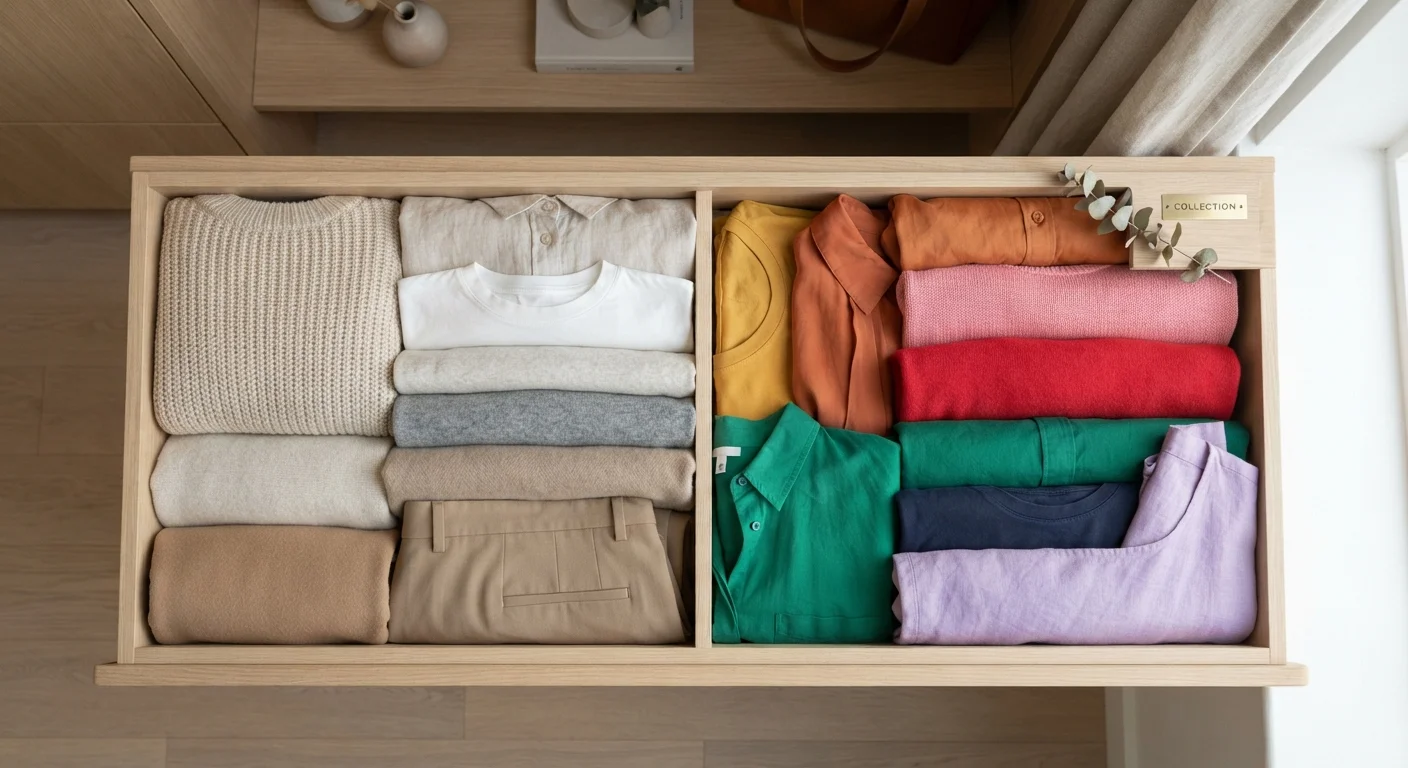
Photo credit: SnippetColumns.com | Easy Search, Reliable Information
In this article
Too many neutrals and your closet feels flat. Too much color and nothing combines. Here's how to think through the right balance for your lifestyle.
Key Takeaways
- Neutrals maximize outfit combinations but can make a wardrobe feel flat without intentional color anchors.
- Color pieces add personality and energy but require more planning to integrate well.
- Your daily life — not trends — should drive the balance you build toward.
- A wardrobe audit helps identify whether you need more versatility or more expression.
- Most wardrobes benefit from a foundation of neutrals with deliberate color additions, not equal halves.
Why the Neutrals vs. Color Question Actually Matters
Most wardrobe frustration — the "I have nothing to wear" feeling despite a full closet — comes down to proportion and intentionality. Either everything is so similarly toned that nothing feels interesting, or there are so many statement pieces that they refuse to combine with each other. Getting this ratio right is one of the more practical things you can do for your daily routine.
This isn't about aesthetics theory. It's about how often you actually reach for what you own. A wardrobe audit is often the most revealing first step — it shows you not just what you have, but what you actually wear, which is a very different list.
| Neutral-Forward Wardrobe | Color-Forward Wardrobe | |
|---|---|---|
| Outfit combinations | High — pieces mix freely | Lower — requires more planning |
| Getting dressed quickly | Easy — low decision effort | Harder — more coordination needed |
| Personality expression | Subtle, understated | Strong, visible, memorable |
| Budget efficiency | High — pieces stay versatile longer | Variable — depends on color staying power |
| Risk of feeling flat or boring | Higher without color anchors | Lower — energy built in |
| Works across dress codes | Yes — adaptable across settings | Depends on the palette and setting |
| Trend sensitivity | Low — neutrals age slowly | Moderate to high — some shades date quickly |
The Case for Building Around Neutrals
Neutrals — whites, creams, grays, navy, black, camel, olive — do the heavy lifting in most functional wardrobes. Their core advantage is combinability: a neutral piece can work with almost everything else you own, which multiplies your outfit options without multiplying your spending.
For anyone navigating a professional environment with a dress code, or someone who genuinely wants to get dressed quickly without thinking too hard, neutrals reduce friction. They're the backbone of the capsule wardrobe approach, which specifically relies on pieces that work together across seasons.
The risk: a wardrobe of only neutrals can feel monotonous. When everything coordinates perfectly but nothing feels energizing, people often stop engaging with their clothes altogether — and that leads to impulse purchases that don't integrate with what they already own.
Test Your Neutral Base First
Before adding any new color to your wardrobe, check that your neutral foundation is actually solid. If your blacks don't match each other, your whites have yellowed, or your basics are worn out, those gaps will undermine even the most thoughtful color additions. Refresh the foundation before expanding the palette.
The Case for Adding Intentional Color
Color in a wardrobe does something neutrals can't: it signals personality, lifts mood, and makes individual pieces memorable. Research in color psychology broadly supports the idea that what we wear can influence how we feel — though individual responses vary and this is an area where personal experience matters more than any general rule.
The challenge with color isn't wearing it — it's wearing it strategically. A bright piece that works with only one or two other items in your closet has limited utility. The solution isn't avoiding color; it's choosing colors that actually connect with the rest of what you own. A rich burgundy, a warm terracotta, or a saturated cobalt can each function as a genuine neutral when anchored to the right base.
For those in creative fields, casual lifestyle settings, or simply people who find joy in expression through dress, a more color-forward approach is entirely valid. The versatile wardrobe framework applies here too — versatility doesn't have to mean colorless.
How to Diagnose What Your Wardrobe Actually Needs
Before buying anything, do a quick honest count. Pull out what you wore in the last 30 days and lay it out. Notice the pattern:
- Mostly neutrals, rarely worn: Your closet is functional but probably uninspiring. Consider one or two color pieces in tones you've been naturally drawn to recently.
- Lots of color, but pieces don't combine: You likely need grounding neutrals — basics that give your statement pieces somewhere to land.
- A healthy mix but still reaching for the same five things: The issue may be fit, fabric, or lifestyle misalignment rather than color ratio.
Budget also plays a role. If you're working within spending constraints, neutrals are almost always the safer investment because they stay relevant longer and combine more freely. Color pieces, particularly trend-driven ones, carry more risk of feeling dated. Spending on color makes more sense when the shade is one you've returned to consistently over multiple years — that's evidence of genuine preference, not a passing trend.
Applying a needs-wants-wishes framework to clothing purchases can also clarify when a colorful piece is a genuine gap versus an impulse. If it solves a specific outfit problem, it's likely a need. If it duplicates something you already own in a different hue, it's a want — which isn't a reason not to buy it, but it should inform how much you spend.
~80%
Of wardrobe worn only 20% of the time
The 80/20 rule is widely cited by wardrobe consultants and organization researchers to describe how most people use only a fraction of what they own regularly.
3–5
Pieces the average color item pairs with
Style professionals commonly note that a color piece's real utility depends on how many existing items it can combine with — fewer than three is a sign of poor integration.
Practical Rules for Getting the Balance Right
There's no universal ratio that works for everyone, but a few practical guidelines hold up broadly:
- Anchor with neutrals, accent with color. Aim for your foundational pieces — trousers, outerwear, everyday basics — to sit in neutral territory. Let color enter through tops, accessories, footwear, and layering pieces where it's easier to swap in and out.
- Limit your color palette. Two or three non-neutral colors that genuinely work together will serve you better than eight colors that don't. Think of it as a color story rather than a color explosion.
- Test combinations before you commit. Before purchasing a new colored piece, consider what three items already in your closet it would pair with. If you can't name them quickly, reconsider.
- Revisit seasonally. Your needs and lifestyle may shift. A decision-fatigue reset every few months — even a quick one — keeps the balance intentional rather than accidental.
The goal isn't a perfectly curated Instagram closet. It's a wardrobe that makes you feel good and gets used, which is the best measure of whether you've struck the right balance for your actual life.

Author
Style & Beauty Editorial Team
Style & Beauty Editorial Team is the collective byline for our editorial team and contributor network. Articles published under this byline or an editorial pen name are researched, written, and reviewed according to our editorial standards for clarity, consistency, and independence before publication.
View all articles →