
Wardrobe on a Budget: Strategies That Don't Require Sacrifice
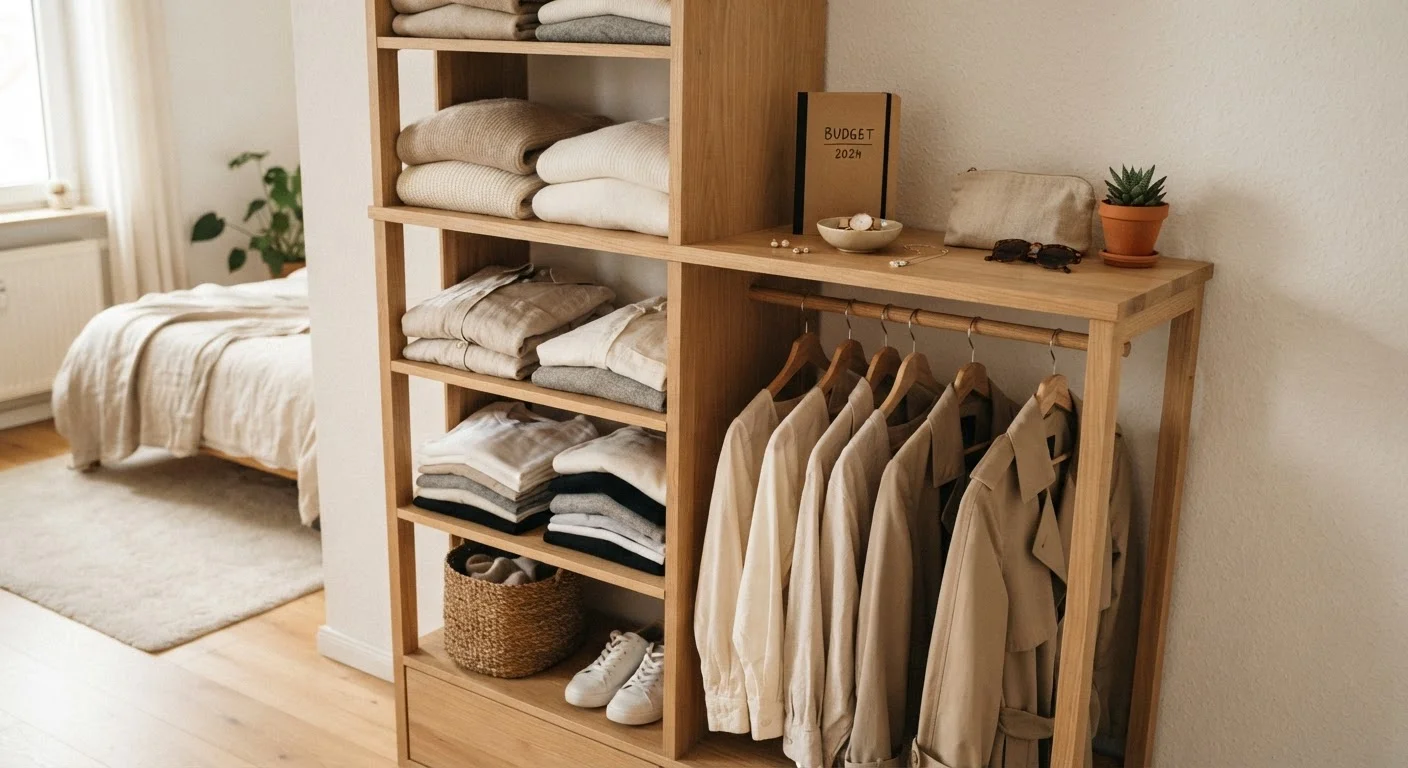
Photo credit: SnippetColumns.com | Easy Search, Reliable Information
In this article
Dressing well without overspending is a skill, not luck. These practical approaches help you stretch your clothing budget without settling for less.
Key Takeaways
- Knowing what you already own is the single most important step before spending a dollar.
- Cost-per-wear thinking reframes value: a $60 item worn 40 times outperforms a $15 item worn twice.
- Versatile, foundational pieces stretch a limited budget further than trend-driven purchases.
- Secondhand shopping and proper garment care are among the highest-leverage budget strategies available.
- A small clothing budget demands a clear plan — impulse purchases destroy value faster than anything else.
Why Budget Dressing Is a Skill, Not a Compromise
The assumption that a limited clothing budget means settling for less is one worth questioning. Dressing well on a budget isn't about finding the cheapest version of everything — it's about spending strategically so that every dollar contributes to a wardrobe that actually works. That distinction matters.
Most wardrobe frustrations — too many clothes and nothing to wear, purchases that sit unused, an endless sense that something is missing — aren't caused by insufficient spending. They're caused by unfocused spending. A clear strategy addresses the root of the problem rather than adding more to the pile.
The steps below don't require sacrificing quality or style. They require a different kind of attention: toward what you already have, what you genuinely need, and what will deliver lasting value rather than momentary appeal. If you're working on broader financial habits alongside this, resources like everyday money tips and the pay-yourself-first budgeting approach offer complementary frameworks for managing discretionary spending.
What you will need
Notepad or phone notes app
Record your wardrobe gaps and a firm shopping list before entering any store or website.
Clothing budget envelope or digital category
Set a discrete, trackable limit for clothing spending separate from your general discretionary funds.
Measuring tape
Check your current measurements against size charts to reduce costly returns, especially when shopping secondhand online.
Following the Strategy: Step by Step
The steps below build on each other. Completing the audit before shopping, and defining specific gaps before setting a budget, creates a logical sequence that keeps spending purposeful. Skipping steps — particularly the audit — tends to produce the same unfocused results budget shoppers are trying to avoid.
Audit what you already own
Pull every item of clothing out and assess it honestly. Sort into three piles: items you wear regularly, items you haven't worn in over a year, and items with fit or condition problems. The goal is a clear picture of what's actually functional in your wardrobe right now.
This step frequently reveals that the closet isn't short on quantity — it's short on the right things. A structured wardrobe audit can make this process faster and more systematic.
Define your actual gaps — in writing
Based on your audit, write a specific list of what's missing. Not categories like 'more tops' — specific functional gaps like 'one dark wash trouser that works for both office and dinner' or 'a water-resistant layer for commuting.' The more specific the gap, the less likely you are to buy something that doesn't solve it.
Consider how a capsule wardrobe framework can help you identify what genuinely functional pieces look like for your lifestyle.
Set a firm budget before you shop
Assign a specific dollar amount to your clothing budget — monthly, quarterly, or annually — and treat it as a ceiling, not a suggestion. If you're working on tightening finances overall, the budgeting basics hub covers practical frameworks for categorizing discretionary spending.
Having the number written down before you encounter a price tag changes how you evaluate what you're looking at.
Prioritize versatile, foundational pieces
When buying within a limited budget, each item needs to work hard. Pieces that pair with multiple things you already own deliver far more value than statement items that require specific combinations. Neutral tones, clean cuts, and classic silhouettes tend to offer this flexibility most reliably.
For a deeper look at which categories hold up over time, see the guide to foundational pieces that outlast every trend. Thinking about building a versatile wardrobe from the start helps every purchase pull more weight.
Explore secondhand and resale options first
For most wardrobe categories, secondhand shopping can meaningfully extend what your budget covers. Thrift stores, consignment shops, and online resale platforms carry a wide range of quality levels — the key is knowing what you're looking for before you look. Check seams, fabric condition, and construction before committing.
Understanding the real trade-offs between secondhand and fast fashion helps you make this decision with clear expectations rather than assumptions.
Extend the life of what you own
The least visible but most impactful budget strategy is keeping the clothes you have in good condition longer. Washing in cold water, air-drying when possible, storing knits folded instead of hung, and addressing small repairs promptly all extend a garment's usable life significantly.
The practical guide to caring for clothes covers these habits in detail, including fabric-specific guidance that most people overlook.
Fit Determines Whether Clothes Actually Work
No budget strategy succeeds if the clothes don't fit. An ill-fitting garment — regardless of price — tends to stay unworn, which means it cost you everything and delivered nothing. Before buying anything new, factor in whether simple alterations might be needed. Basic tailoring on a well-chosen piece is often a smarter spend than buying a second item.
Impulse Buying Undermines Every Strategy Here
Budget shopping can feel productive, especially when items are heavily marked down. But discounted prices on things you wouldn't have bought otherwise aren't savings — they're unplanned expenses. Stick to your gap list and walk away from anything that isn't on it, regardless of how appealing the price appears.
Track Cost-Per-Wear Before You Commit
Before any purchase, estimate how many times you'll realistically wear it in the next twelve months. Divide the price by that number. If the figure feels high for what it is, reconsider. The cost-per-wear formula is one of the most effective filters for keeping purchases honest.
Maintaining the System Over Time
A budget wardrobe strategy isn't a one-time project. It works because it becomes habitual: regular audits, a maintained gap list, and a consistent commitment to the cost-per-wear filter. As your life changes — job shifts, seasonal needs, lifestyle changes — your gap list should update accordingly.
One underrated approach is developing a consistent outfit formula, sometimes called a personal uniform. Wearing reliable combinations repeatedly simplifies decisions and reduces the temptation to shop for novelty. The everyday uniform approach explains why this works in practice. For those who want to go further, the full framework behind building a capsule wardrobe from scratch offers a structured path toward a wardrobe that functions with fewer, better pieces.
Dressing well on a budget ultimately means making fewer, more deliberate choices — and getting more use out of each one.

Author
Style & Beauty Editorial Team
Style & Beauty Editorial Team is the collective byline for our editorial team and contributor network. Articles published under this byline or an editorial pen name are researched, written, and reviewed according to our editorial standards for clarity, consistency, and independence before publication.
View all articles →