
The Everyday Uniform: Why Wearing the Same Outfit Formula Actually Works
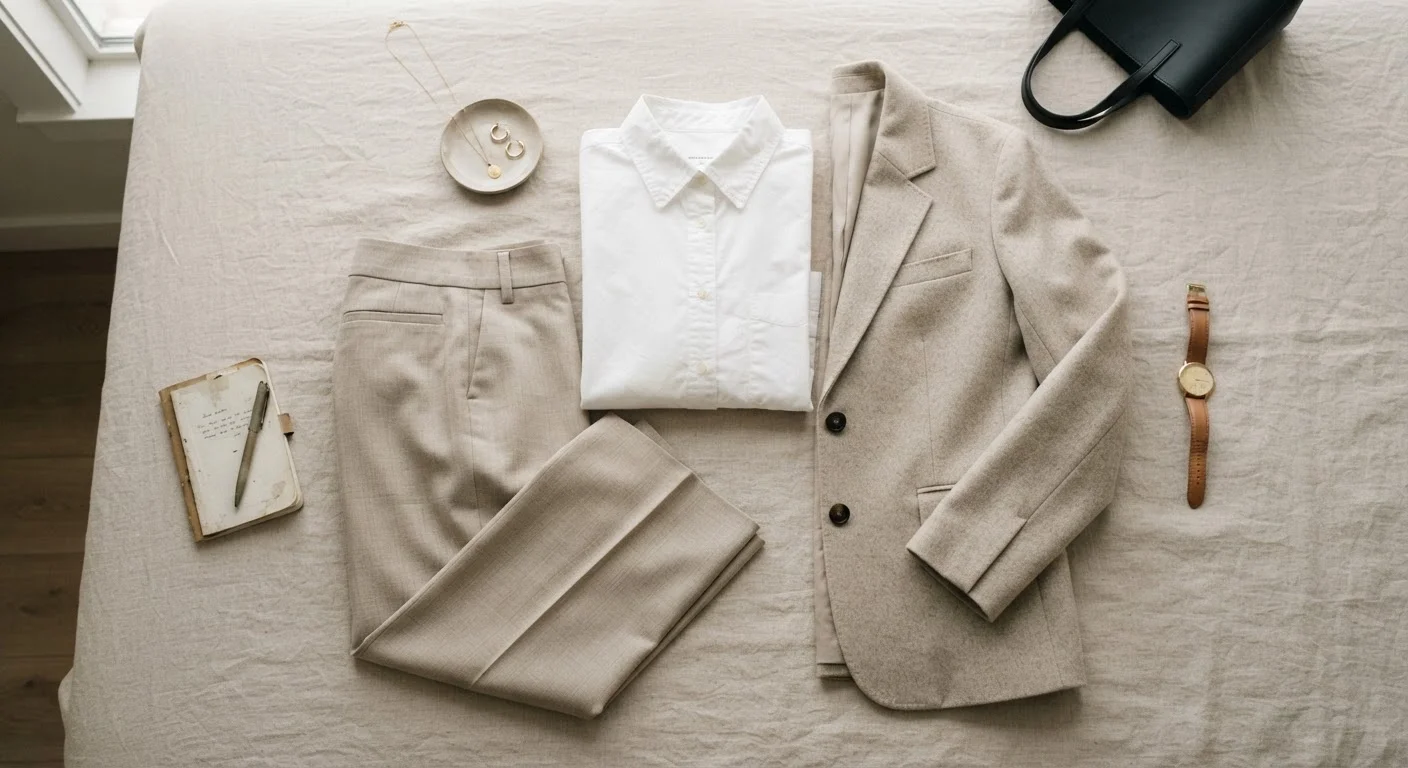
Photo credit: SnippetColumns.com | Easy Search, Reliable Information
In this article
A personal outfit formula isn't boring — it's efficient. Learn how repeated combinations save time, reduce stress, and still look intentional.
Key Takeaways
- An outfit formula is a repeatable clothing structure, not the same clothes worn every day.
- Reducing daily outfit decisions can lower mental load and save meaningful time over a week.
- A good formula is built around your actual lifestyle, not aspirational or trend-driven dressing.
- Formulas work best when anchored by well-fitting foundational pieces in versatile colors.
- Rotating different items through the same structure keeps your look fresh without extra effort.
What an Outfit Formula Actually Is
An outfit formula isn't a uniform in the literal sense — you're not wearing the same shirt and pants every single day. It's a structural template: a recurring combination of clothing categories that produces a cohesive look with minimal deliberation. An example might be fitted knit top + straight-leg trousers + clean sneaker or loafer. The silhouette and proportion stay consistent; you simply rotate different pieces through each slot.
This is distinct from capsule wardrobing, though the two complement each other naturally. A capsule wardrobe defines what you own; a formula defines how you combine it. If you want to understand how those foundational pieces work together, the Building a Capsule Wardrobe From Scratch is a useful companion read.
Formulas Work Across All Body Types and Budgets
An outfit formula is not a style reserved for people with model proportions or unlimited clothing budgets. The structure is infinitely adaptable — you define the categories based on what fits and flatters your specific body and what's realistically available to you. The goal is consistency of approach, not conformity to any external standard.
The Real Reason Formulas Reduce Stress
Every morning outfit decision draws from the same cognitive resources you'll use later for work problems, parenting calls, and anything else demanding focus. Research in decision science consistently shows that repeated low-stakes choices still accumulate a mental cost — a concept widely discussed under the umbrella of decision fatigue. By pre-solving your outfit structure, you remove an entire category of daily deliberation.
This is also why the approach connects well with broader strategies for beating decision fatigue — simplifying recurring choices consistently frees mental bandwidth for things that matter more.
35+
Daily decisions an average adult makes about clothing
Behavioral researchers estimate people make dozens of small clothing-related choices each day, from what to wear to how to accessorize — all drawing from the same cognitive pool.
~30%
Of clothing items in an average closet rarely worn
Industry estimates suggest a significant portion of most wardrobes goes unworn regularly, often because items don't integrate well with what else is owned — a problem a clear formula tends to solve.
How to Build Your Own Formula
Building a formula starts with observation, not shopping. Spend a week noting which outfits you reach for without thinking — those are clues. Most people already have an informal formula; they just haven't made it explicit.
Once you spot the pattern, define it by category: bottom layer + middle layer + outer layer (if needed) + shoe is a reliable starting framework. From there, consider three practical filters:
- Fit and proportion: A formula built on well-fitting pieces at the right proportions will always look intentional. If your combinations aren't landing, the issue is often proportion rather than the clothes themselves — the guide on proportion and outfit balance breaks this down clearly.
- Color logic: Anchor your formula in two or three neutral tones that mix freely, with room for one accent. This ensures every item works across every slot.
- Lifestyle honesty: Your formula should reflect where you actually go, not where you wish you went. A workday formula for someone in a creative office looks very different from one built for a warehouse or a remote-work home setup.
Test Your Formula Before Buying Anything
Before purchasing a single new item, try building your formula from what you already own. Pull out five to seven pieces and force yourself to combine them using your chosen template. If the structure works with existing clothes, you'll know exactly what's genuinely missing — rather than guessing.
Keeping It Fresh Without Starting Over
Repetition of a structure doesn't mean visual monotony. Texture, fabric weight, and subtle color shifts can make the same formula read differently across days and seasons. A cream linen top and a charcoal ribbed knit both occupy the same slot in your formula but produce meaningfully different looks.
When you do add new pieces, evaluate them against the formula first. Does this item work in at least one slot? Does it pair with what's already in rotation? This kind of intentional purchasing is the backbone of smarter spending habits — and it's one of the clearest ways to lower your cost-per-wear over time. If you want the actual math behind that, the cost-per-wear formula explained is worth a look.
For anyone building or refining the pieces that anchor their formula, the foundational wardrobe pieces guide covers what's genuinely worth the investment. And if budget is a real constraint, wardrobe strategies on a budget offers practical approaches that don't require compromise.
“Getting dressed should not be the hardest decision of your day. When your wardrobe has a logic to it, you stop fighting your clothes and start using them.”
— Tim Gunn, Fashion educator and author on personal style
Frequently Asked Questions

Author
Style & Beauty Editorial Team
Style & Beauty Editorial Team is the collective byline for our editorial team and contributor network. Articles published under this byline or an editorial pen name are researched, written, and reviewed according to our editorial standards for clarity, consistency, and independence before publication.
View all articles →