
Caring for Clothes So They Actually Last
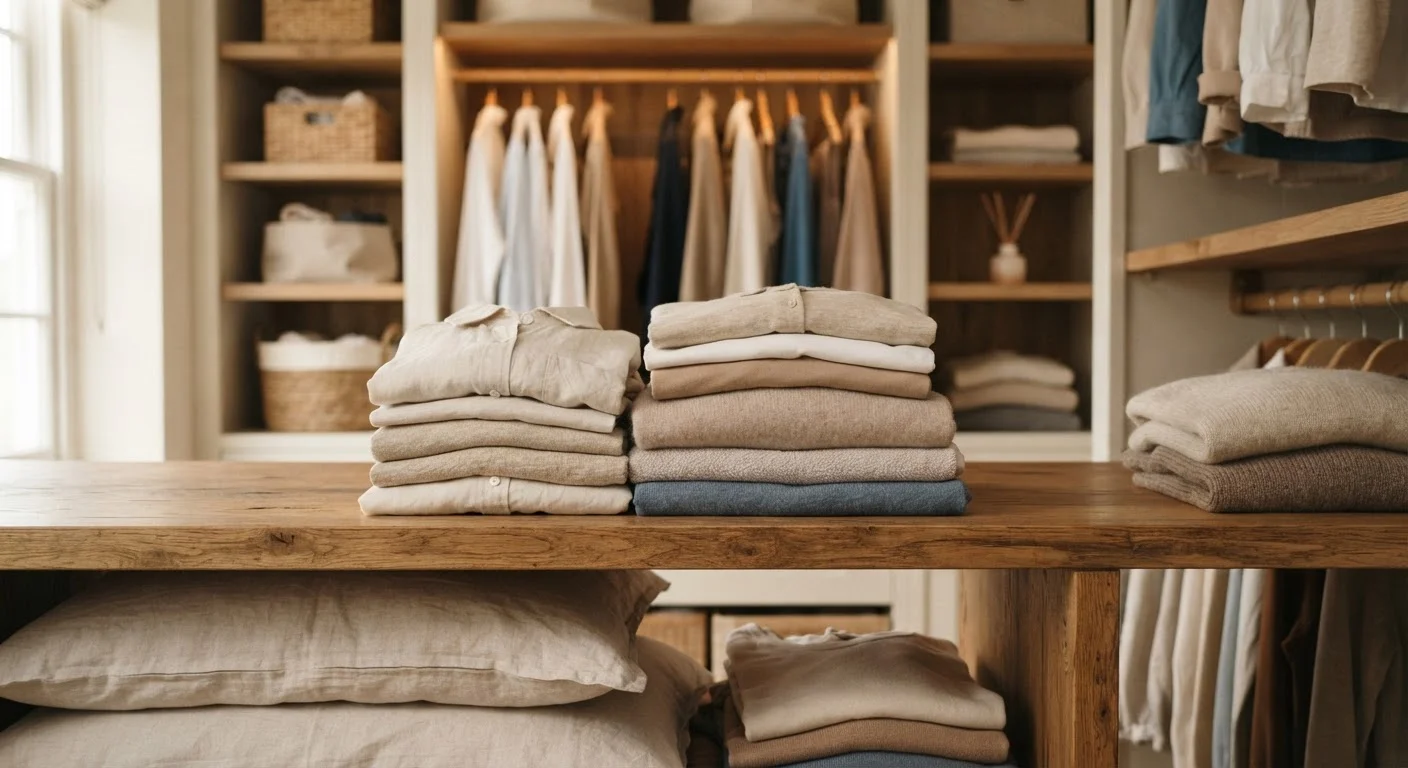
Photo credit: SnippetColumns.com | Easy Search, Reliable Information
In this article
Washing, drying, and storing clothes correctly can double their lifespan. Here are the practical habits that preserve fabric and keep colors from fading.
Key Takeaways
- Cold water washes preserve fabric fibers and color far better than hot cycles.
- Over-washing is one of the fastest ways to degrade clothing — rewear when possible.
- Proper storage, including folding versus hanging the right items, prevents stretching and distortion.
- Turning garments inside out before washing protects surface dyes and decorative finishes.
- Air drying is gentler on almost every fabric type compared to machine drying.
Why Clothes Wear Out Faster Than They Should
Most clothing doesn't fail because of poor construction — it fails because of how it's cared for. Repeated high-heat washing, over-drying, and improper storage break down fibers, fade dyes, and distort shape long before a garment should show any real wear. The good news is that correcting just a few laundry habits can measurably extend what your wardrobe delivers over time.
If you've ever run the numbers on cost-per-wear, you already know that lasting longer is the same as getting more value. Every additional season a piece holds up is money you didn't have to spend replacing it.
The Laundry Habits That Make the Biggest Difference
Getting laundry right doesn't mean being precious about it — it means understanding which shortcuts actually cost you. A few targeted adjustments to your wash routine protect fabric integrity without adding meaningful effort to your week.
Check the Care Label Every Time
Care labels are not suggestions — they reflect how the manufacturer tested the fabric. When in doubt, defaulting to cold water and a gentle cycle is a safe standard for most garments. If a label says dry-clean only, machine washing risks permanent damage to the structure or lining of that piece.
These principles apply whether you're trying to protect a single quality investment or stretch a tight clothing budget. For more on building a wardrobe that performs on both fronts, see practical budget-friendly wardrobe strategies.
Storage, Repairs, and the Long Game
Laundry is only half the equation. How you store and maintain clothes between wears determines whether they hold their shape, stay free of damage, and remain ready to use. Knits stretched over hangers lose their shoulders; denim left crumpled develops permanent creasing; wool left in warm, unventilated spaces invites moth damage.
Small repairs — replacing a loose button before it falls off, re-stitching an opening seam — cost almost nothing but prevent a wearable garment from becoming unusable. This is especially worth applying to foundational wardrobe pieces that anchor your daily rotation. Caring well for clothes is, ultimately, one of the most practical smarter spending habits available to anyone.
This article is for general informational purposes only. Fabric care results vary by garment construction, dye lot, and washing equipment.

Author
Style & Beauty Editorial Team
Style & Beauty Editorial Team is the collective byline for our editorial team and contributor network. Articles published under this byline or an editorial pen name are researched, written, and reviewed according to our editorial standards for clarity, consistency, and independence before publication.
View all articles →