
The Cost-Per-Wear Formula: A Smarter Way to Judge Clothing Value
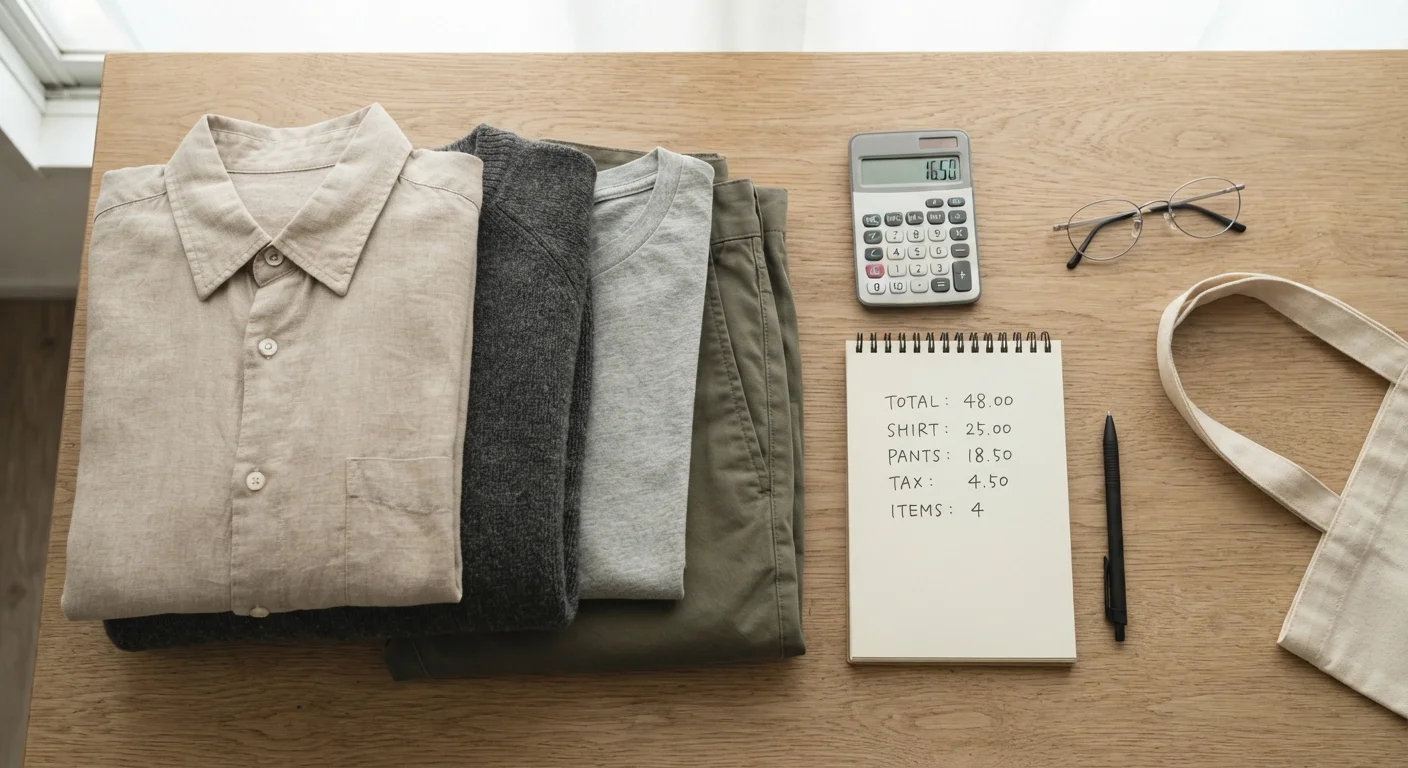
Photo credit: SnippetColumns.com | Easy Search, Reliable Information
In this article
Cost-per-wear breaks down what you actually pay each time you wear a piece. Here's how the math works and why it reframes smarter wardrobe decisions.
Key Takeaways
- Cost-per-wear divides a garment's price by estimated wears to reveal true value.
- A higher upfront price can yield a lower cost-per-wear than a cheaper, less-used item.
- Versatility and wearability frequency matter more than fabric quality alone.
- Proper garment care directly extends wear count and lowers cost-per-wear over time.
- The formula works best as a guide, not a rigid rule — lifestyle context matters.
The Formula, Explained Simply
The math is straightforward: Cost-Per-Wear = Purchase Price ÷ Number of Wears. If you spend $120 on a wool blazer and wear it 80 times over three years, your cost-per-wear is $1.50. If you spend $30 on a trendy top and wear it three times before it falls apart or goes out of style, your cost-per-wear is $10.
That comparison is the entire argument for the formula. Price tags are a single data point. What you pay each time you actually use something is a far more useful one.
The formula doesn't require precision. A rough estimate of expected wears — based on how often you reach for similar pieces you already own — is enough to make a meaningful comparison between two items you're deciding between.
~$0
Effective cost for a well-worn wardrobe staple
Items worn 100+ times at moderate price points approach negligible cost-per-wear, illustrating how use rate transforms value.
30%
Of wardrobe items go unworn in a given year
Research from wardrobe audit studies suggests a significant share of owned clothing is rarely or never reached for, making low-wear items common.
2–3x
Potential lifespan extension from proper garment care
Textile care experts note that following correct washing and storage practices can significantly extend how long clothing remains wearable.
Why Cheap Clothes Are Often the Expensive Choice
Fast fashion's appeal is obvious: low prices lower the barrier to trying something new. But low cost-per-tag rarely translates to low cost-per-wear. A $25 shirt that fades, shrinks, or falls apart after five washes ends up costing $5 per wear. A $75 shirt in a durable fabric that you wear weekly for two years costs under $1 per wear.
This isn't an argument that expensive always equals better value — it doesn't. It's an argument for thinking about use rate. Secondhand and fast fashion each carry real trade-offs, and the cost-per-wear lens helps clarify which trade-offs actually matter for your wardrobe and budget.
Before You Buy, Ask One Question
Estimate how many times per month you'd realistically wear the item, then multiply by 12 months and the number of years you'd keep it. If the resulting wear count makes the math work, the purchase likely earns its place. If you struggle to picture wearing it more than a handful of times, that hesitation is data worth listening to.
The pieces with the lowest cost-per-wear in most wardrobes tend to be the ones people stop noticing — a reliable pair of dark jeans, a well-fitted neutral crewneck, a leather belt that works with everything. Their value is quiet and accumulative.
The Variables That Actually Move the Number
Three factors determine cost-per-wear more than anything else:
- Versatility: A piece that works across multiple outfits and settings gets worn more. A garment that only pairs with one thing or works for one occasion has a structural ceiling on its wear count.
- Fit and comfort: You reach for what feels good. Poorly fitting clothes — even expensive ones — get passed over. Proportion and fit drive how often an outfit actually works, which directly affects how many wears a piece accumulates.
- Durability and care: How long a garment holds up depends significantly on how it's maintained. Proper washing, drying, and storage habits can meaningfully extend a garment's lifespan — adding wears without adding cost.
Alterations can also shift the equation. A pair of pants that fits in the waist but pools at the ankle goes unworn. A hem that costs $15 and adds 50 wears is one of the better investments in a wardrobe. Knowing when alterations are worth pursuing is a practical skill that improves cost-per-wear across your whole closet.
Using the Formula to Make Smarter Decisions
Cost-per-wear works best as a decision-making filter, not a spreadsheet. Before a purchase, a few honest questions do most of the work: Does this fit how I live right now? How many things in my closet does it work with? Do I already own something that does the same job?
Those questions are the foundation of a well-built capsule wardrobe — a collection where each piece earns consistent wears because it genuinely belongs. Similarly, repeated outfit formulas naturally drive up wear counts for core pieces, making the cost-per-wear math work in your favor without much effort.
For readers working within a specific budget, this framework pairs naturally with practical wardrobe budgeting strategies that prioritize use over acquisition. The goal isn't to spend more — it's to spend where it pays back.
“The most sustainable garment is the one you already own — and actually wear. Longevity of use is the single greatest driver of clothing value.”
— Kate Fletcher, Professor and researcher in sustainable fashion, Centre for Sustainable Fashion, UAL
The sticker price is only what you pay once. Cost-per-wear is what you keep paying — or stop paying — every time you get dressed.
Frequently Asked Questions

Author
Style & Beauty Editorial Team
Style & Beauty Editorial Team is the collective byline for our editorial team and contributor network. Articles published under this byline or an editorial pen name are researched, written, and reviewed according to our editorial standards for clarity, consistency, and independence before publication.
View all articles →