
Feeding Your Cat a Nutritionally Complete Diet
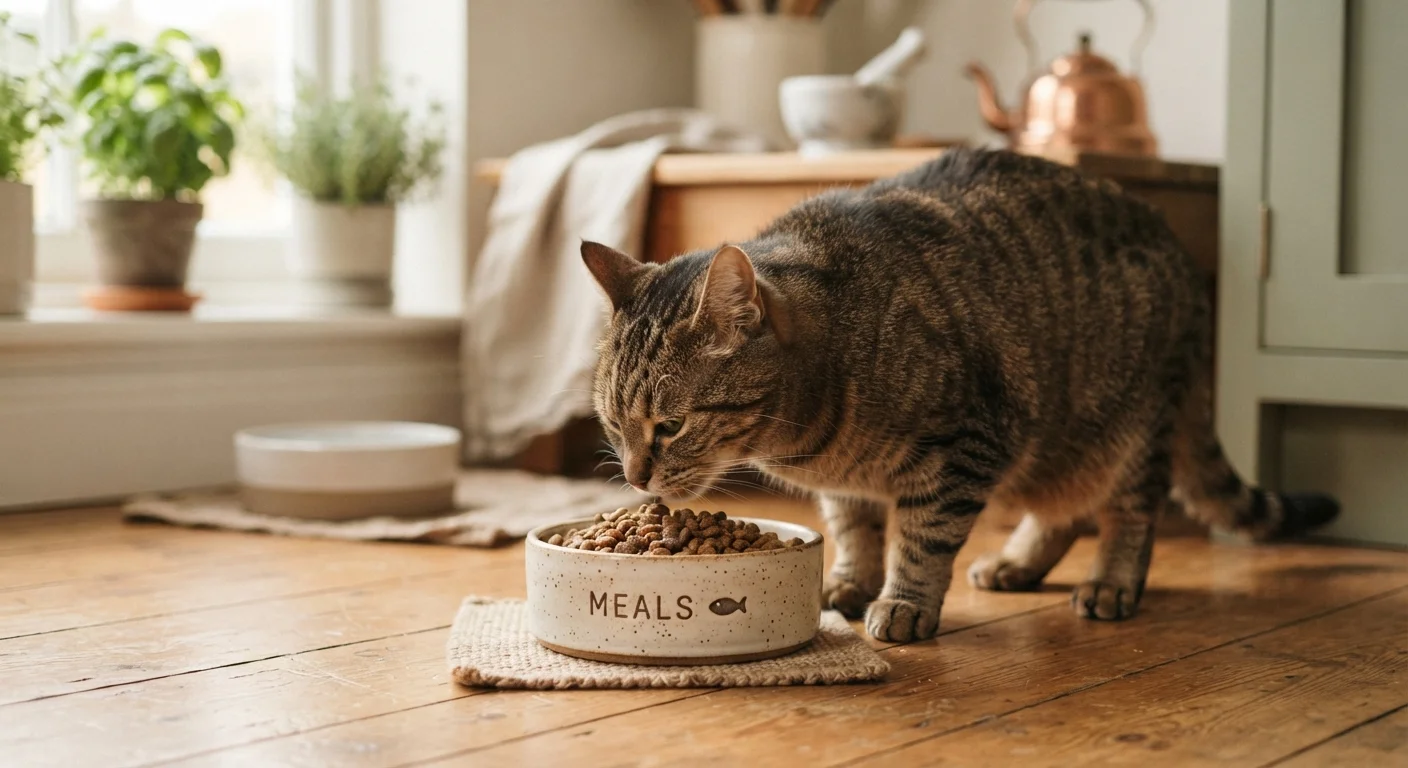
Photo credit: SnippetColumns.com | Easy Search, Reliable Information
In this article
Cats have unique nutritional needs that differ sharply from dogs. This guide covers what a balanced feline diet looks like and how to evaluate what you're feeding.
Key Takeaways
- Cats are obligate carnivores and cannot synthesize several nutrients that other animals produce on their own.
- Taurine, arachidonic acid, and preformed vitamin A are non-negotiable in any complete feline diet.
- Look for an AAFCO nutritional adequacy statement before anything else on a cat food label.
- Wet food contributes meaningfully to daily hydration, which supports urinary tract health.
- Portion control matters — even nutritionally complete food causes weight gain when overfed.
- Always consult a veterinarian before changing your cat's diet, especially for kittens, seniors, or cats with health conditions.
Why Cats Have Unique Nutritional Needs
Cats are obligate carnivores — a biological classification meaning their bodies are built to derive nutrition almost entirely from animal tissue. Unlike dogs or humans, cats lack certain metabolic pathways needed to synthesize key nutrients from plant sources. This isn't a dietary preference; it's physiology.
The practical consequence: a diet appropriate for a dog, or even a well-meaning homemade meal, can leave a cat with critical deficiencies. Feline nutrition is its own discipline, and understanding the basics helps you make genuinely informed choices rather than relying on packaging claims alone.
For a broader look at how dietary needs shift throughout a cat's life, see our guide to pet nutrition across life stages.
Obligate carnivore
An animal that must eat meat to survive because its body cannot produce certain essential nutrients from plant sources. Cats fall into this category, unlike dogs, which are omnivores.
Taurine
An amino acid that cats cannot produce in sufficient quantities on their own. It must come from dietary animal protein and is essential for heart and eye health.
AAFCO
The Association of American Feed Control Officials — the organization that sets minimum nutrient standards for pet foods in the United States. An AAFCO adequacy statement on a label indicates the food is complete and balanced.
Nutritional adequacy statement
A required label declaration confirming whether a pet food is complete and balanced for a specific life stage, or intended only as a supplemental or intermittent food.
Arachidonic acid
An omega-6 fatty acid that cats must obtain directly from animal fat because, unlike dogs, they lack the enzyme needed to convert it from plant-based precursors.
Guaranteed analysis
A section of a pet food label listing minimum and maximum levels of key nutrients such as protein, fat, fiber, and moisture. It provides a snapshot of a food's nutritional content but requires context to interpret fully.
The Core Nutrients Every Cat Needs
A nutritionally complete feline diet must supply the following in adequate amounts:
- Protein: Cats require a higher proportion of dietary protein than most mammals. Animal-sourced protein provides the full spectrum of essential amino acids cats need, including taurine and arginine — both of which are critical and cannot be produced by cats in sufficient quantities on their own.
- Taurine: Deficiency in this amino acid leads to dilated cardiomyopathy (a serious heart condition) and central retinal degeneration, which can cause blindness. Taurine is found almost exclusively in animal tissue.
- Arachidonic acid: An omega-6 fatty acid that cats cannot synthesize from linoleic acid the way dogs can. It must come directly from animal fat in the diet.
- Preformed Vitamin A: Cats cannot convert beta-carotene (found in plants) into usable vitamin A. They need retinol, which comes from animal sources such as liver.
- Niacin: Cats have limited ability to produce niacin from tryptophan and depend on dietary intake from meat.
Fat-soluble vitamins, B vitamins, and adequate moisture round out the picture. The goal isn't simply to avoid deficiency — it's to consistently meet these needs through the everyday food you provide.
Check the Life Stage on the Label
Kitten foods, adult formulas, and senior diets differ in protein density, caloric content, and specific nutrient levels. Always match the food's stated life stage to your cat's current life stage. A kitten fed adult food may not receive adequate calories or nutrients for healthy development.
How to Evaluate a Cat Food's Nutritional Completeness
The single most important thing to look for on any cat food label is the AAFCO nutritional adequacy statement. AAFCO (the Association of American Feed Control Officials) establishes the nutrient profiles that define a complete and balanced pet food. A statement reading "formulated to meet the nutritional levels established by the AAFCO Cat Food Nutrient Profiles" or "complete and balanced based on feeding trials" tells you the food is intended as a sole-source diet for the stated life stage.
Foods labeled for intermittent or supplemental feeding only are not nutritionally complete on their own — they're designed as add-ons, not primary meals.
Beyond the adequacy statement, the ingredient list and guaranteed analysis provide useful context. Our companion article on reading a pet food label walks through how to interpret each section without getting lost in the fine print.
"Formulated" vs. "Feeding Trial" Statements
An AAFCO statement based on feeding trials means the food was tested in actual animals and met minimum standards during that period. A "formulated to meet" statement means the recipe was calculated to hit AAFCO nutrient targets but may not have been tested in live animals. Both are acceptable indicators of completeness, but the distinction is worth knowing when evaluating options with your vet.
Wet Food, Dry Food, and Hydration
Cats evolved as desert animals with a low thirst drive — they historically obtained much of their moisture from prey. This matters because chronic low-level dehydration is associated with urinary tract issues, including the formation of crystals and stones.
Wet food typically contains around 75–80% moisture, while dry kibble contains roughly 10%. Neither format is inherently superior, but the nutritional trade-offs between wet and dry food are worth understanding for your specific cat's health profile.
Cats on primarily dry diets should have consistent access to fresh water. Some cats drink more readily from moving water sources — a pet water fountain can help encourage intake, though this is a lifestyle choice rather than a medical prescription. Talk to your veterinarian if you're concerned about your cat's hydration.
Feeding Schedules and Portion Awareness
Even a nutritionally complete food can contribute to obesity if portions aren't managed. Obesity in cats is associated with diabetes, joint problems, and reduced lifespan — making portion awareness an important part of responsible feeding.
Most cat food packaging provides feeding guidelines based on weight, but these are starting points, not rules. Your cat's actual needs depend on age, activity level, health status, and whether they're spayed or neutered. A veterinarian can help you calibrate portions more precisely.
Two measured meals per day works well for most adult cats and makes it easier to notice changes in appetite — an early signal of many health issues. Free-feeding (leaving dry food available constantly) can make appetite monitoring difficult and often leads to overeating.
Treats and food toppers can quietly shift the nutritional balance if used heavily. See how treats and supplements fit into a balanced cat diet for guidance on keeping extras proportional.
For new cat owners building out a broader care routine, our first-time owner daily care guide covers feeding alongside the rest of your cat's day-to-day needs.
This article provides general educational information about feline nutrition and is not a substitute for personalized veterinary advice. Always consult a licensed veterinarian before making significant changes to your cat's diet, especially if your cat has existing health conditions.
Frequently Asked Questions

Author
Pets & Animal Care Editorial Team
Pets & Animal Care Editorial Team is the collective byline for our editorial team and contributor network. Articles published under this byline or an editorial pen name are researched, written, and reviewed according to our editorial standards for clarity, consistency, and independence before publication.
View all articles →