
Healthy Eating on a Budget: Principles That Actually Hold Up
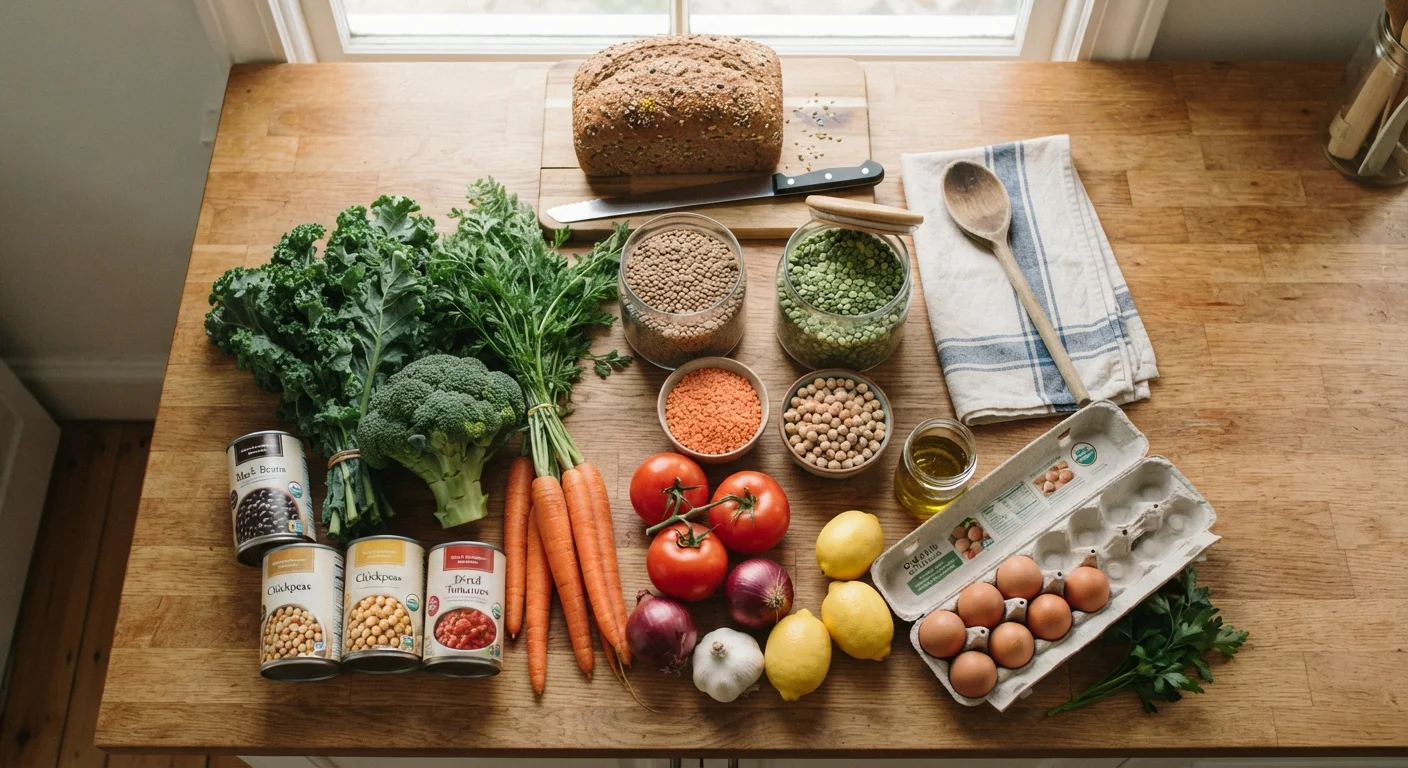
Photo credit: SnippetColumns.com | Easy Search, Reliable Information
In this article
Eating well doesn't require expensive superfoods. These grounded strategies help stretch a grocery budget without sacrificing nutritional quality.
Key Takeaways
- Whole grains, legumes, eggs, and frozen vegetables offer strong nutrition at low cost.
- Planning meals around a weekly list reduces both food waste and impulse purchases.
- Protein from plant sources like beans and lentils is significantly cheaper than most meat.
- Cooking in larger batches stretches both your grocery budget and your time.
- Generic store brands typically match the nutritional quality of name-brand equivalents.
Why Budget Eating Gets a Bad Reputation
The widespread assumption that eating healthy costs more isn't without basis — premium packaged products, trendy supplements, and specialty grocery stores do carry real price tags. But the assumption breaks down when you look past marketing and examine what nutrition science actually prioritizes: variety, whole foods, adequate fiber and protein, and limited added sugar and sodium.
None of those goals require expensive ingredients. The foods that nutritionists return to again and again — legumes, whole grains, eggs, frozen vegetables, canned fish — happen to be among the most affordable items in any grocery store. The challenge isn't access to good ingredients; it's knowing which habits to build around them. For a broader foundation on what sound eating actually looks like, see our overview of nutrition fundamentals.
This Is General Nutrition Information
The strategies in this article are general educational guidance, not personalized medical or dietary advice. Individual nutritional needs vary based on health status, age, activity level, and other factors. If you have a specific health condition or dietary concern, consult a registered dietitian or qualified healthcare professional before making significant changes to how you eat.
Core Practices for Eating Well on Less
These practices aren't hacks or short-term workarounds — they're durable habits used by households that consistently eat well without overspending. Each one addresses a specific point where money and nutrition commonly come apart.
Build your meals around affordable, nutrient-dense staples — not superfoods.
Dry lentils, canned beans, oats, eggs, frozen spinach, and brown rice consistently rank among the most nutritious foods per dollar. Marketing dollars push consumers toward expensive 'functional' products, but the foundational foods of sound nutrition are typically the cheapest items in the store.
Shop with a meal plan and a written list every time.
Unplanned grocery trips reliably lead to higher spending and more food waste. When you know what you're making for the week before you shop, you buy only what you'll actually use — which cuts both costs and the frustration of wasted produce.
Choose frozen and canned produce without hesitation.
Frozen vegetables are typically harvested and flash-frozen at peak ripeness, preserving most vitamins and minerals. Canned options — especially low-sodium varieties — are equally nutritious and have a long shelf life that prevents waste. Fresh isn't automatically better.
Shift protein sources toward plant-based options at least a few days a week.
Meat is typically the most expensive item in a grocery cart. Beans, lentils, chickpeas, tofu, and eggs are all complete or near-complete protein sources that cost substantially less per gram of protein. This shift doesn't require eliminating meat — just diluting it.
Cook in larger batches and use leftovers intentionally.
Batch cooking reduces the per-serving cost of almost every meal and eliminates the daily decision fatigue that leads to takeout spending. Leftovers repurposed into new formats — last night's roasted vegetables becoming today's grain bowl — prevent food waste and stretch groceries further.
Buy store-brand and generic products by default.
FDA labeling and ingredient standards mean that store-brand canned goods, frozen vegetables, oats, and dry goods are nutritionally equivalent to name brands. The price difference reflects packaging and marketing, not quality.
For a practical look at how to put these habits into a weekly structure, weekly grocery planning offers a useful framework for stocking your kitchen consistently.
Where to Start This Week
Changing how you shop and eat doesn't require a complete overhaul. A few targeted shifts — made consistently over several weeks — tend to produce lasting results without requiring willpower or deprivation.
If you're thinking about this in the context of a broader financial picture, the principles here connect naturally with general strategies for saving money on a tight budget. And one of the highest-impact single changes many households can make is rethinking lunch — see how packing lunch compares to buying it over time.
$1.50
Average cost per serving of dried lentils or beans
USDA food cost data consistently shows legumes as one of the lowest-cost, highest-protein foods available in U.S. grocery stores.
30–40%
Potential grocery savings from meal planning
Research on household food expenditure suggests that planned shopping reduces both impulse purchases and food waste, which together account for a significant share of grocery spending.
80%
Nutrients retained in flash-frozen vegetables
Studies reviewed in the Journal of Food Composition and Analysis found that frozen produce retains the majority of key vitamins and minerals compared to fresh, particularly when fresh produce is stored for several days.
It's also worth being aware of common missteps that can undermine even well-intentioned efforts — our piece on when healthy eating quietly goes wrong covers some of the patterns that trip up motivated eaters.
This article is for general informational purposes only and does not constitute medical or dietary advice. Consult a qualified healthcare professional or registered dietitian for guidance specific to your health needs.

Author
Health & Wellness Editorial Team
Health & Wellness Editorial Team is the collective byline for our editorial team and contributor network. Articles published under this byline or an editorial pen name are researched, written, and reviewed according to our editorial standards for clarity, consistency, and independence before publication.
View all articles →