
Weekly Grocery Planning That Supports Consistent Healthy Eating
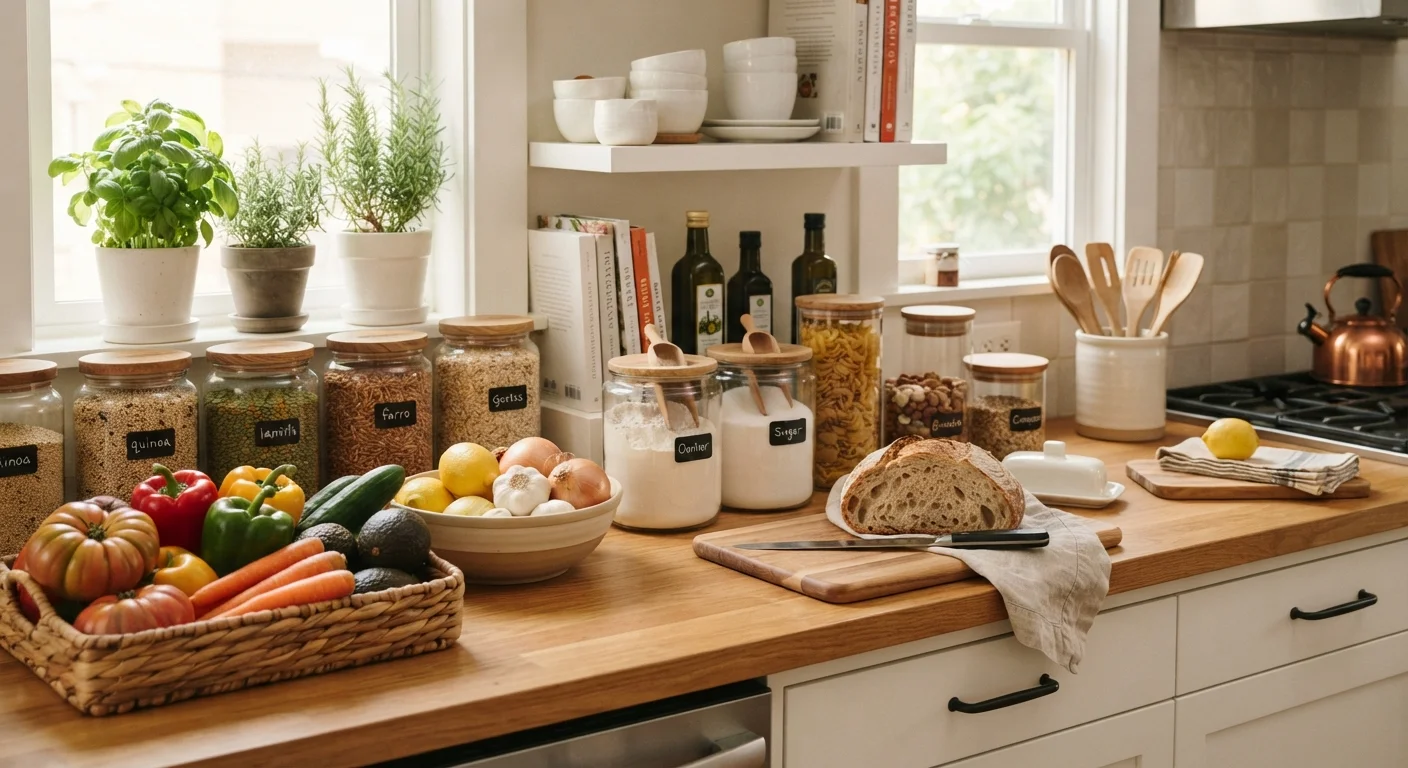
Photo credit: SnippetColumns.com | Easy Search, Reliable Information
In this article
A practical checklist for stocking your kitchen in a way that makes nutritious meals easier to prepare on busy weeknights.
Key Takeaways
- A structured grocery plan reduces last-minute decisions that lead to less nutritious choices.
- Stocking versatile staples — not specialty products — is the most practical foundation for healthy eating.
- Reviewing what you already have before shopping prevents waste and keeps costs manageable.
- Preparing proteins and vegetables in bulk once a week cuts daily cooking time significantly.
- Consistent habits, not perfect meals, are what drive long-term nutritional improvement.
Why a Weekly Grocery Plan Actually Works
Most nutrition stumbles happen not at the dinner table but at the grocery store — or worse, at 6 p.m. when the fridge is bare and a drive-through feels inevitable. A weekly grocery plan removes that decision from the moment of peak hunger and fatigue and moves it to a calmer, more intentional time.
This checklist is designed for busy weekdays. It doesn't require specialty ingredients, a large budget, or advanced cooking skills. Its goal is simple: give your kitchen the raw materials to make a nutritious meal the path of least resistance, most nights of the week.
If you're also thinking about how grocery habits interact with your budget, see our article on healthy eating on a budget for complementary strategies. And if your cart keeps expanding despite planning, why your grocery bill keeps climbing is worth a read.
Before You Shop
Produce Essentials
Proteins
Grains and Starches
Pantry Staples
After You Shop
Tools That Make This Checklist Easier to Execute
You don't need gadgets to eat well, but a few practical tools reduce friction throughout the week. The items below cover the basics — none are luxury purchases, and most are one-time investments that pay off in time saved.
Meal Planning Notepad or App
Keeps your weekly dinner map and grocery list in one place, reducing the chance of forgetting key ingredients.
Set of Airtight Storage Containers
Stores prepped vegetables, cooked grains, and batch proteins so they stay fresh and visible throughout the week.
Instant-Read Food Thermometer
Confirms that batch-cooked proteins have reached a safe internal temperature, removing guesswork.
Reusable Produce Bags
Keeps fresh vegetables organized in the fridge and reduces plastic waste without adding cost over time.
Sheet Pan
Enables simple, low-effort batch roasting of vegetables and proteins with minimal cleanup.
Once your kitchen is equipped and your pantry is stocked consistently, the daily effort of eating well shrinks considerably. Be aware of a common pitfall, though — enthusiastic planning sometimes tips into patterns that quietly undermine nutrition rather than support it. Our piece on when healthy eating quietly goes wrong covers the warning signs.
Don't Mistake Restriction for Planning
A grocery plan works best when it adds variety and convenience — not when it eliminates entire food groups in the name of 'clean eating.' Overly restrictive approaches can create nutritional gaps and make eating feel stressful rather than sustainable. Aim for balance across food categories rather than perfection within any single one.
This article provides general nutrition and meal-planning information for educational purposes only. It is not a substitute for personalized advice from a qualified healthcare provider or registered dietitian. Individual nutritional needs vary — consult a professional for guidance specific to your health situation.

Author
Health & Wellness Editorial Team
Health & Wellness Editorial Team is the collective byline for our editorial team and contributor network. Articles published under this byline or an editorial pen name are researched, written, and reviewed according to our editorial standards for clarity, consistency, and independence before publication.
View all articles →