
Car Fluid Types Every Driver Should Recognize
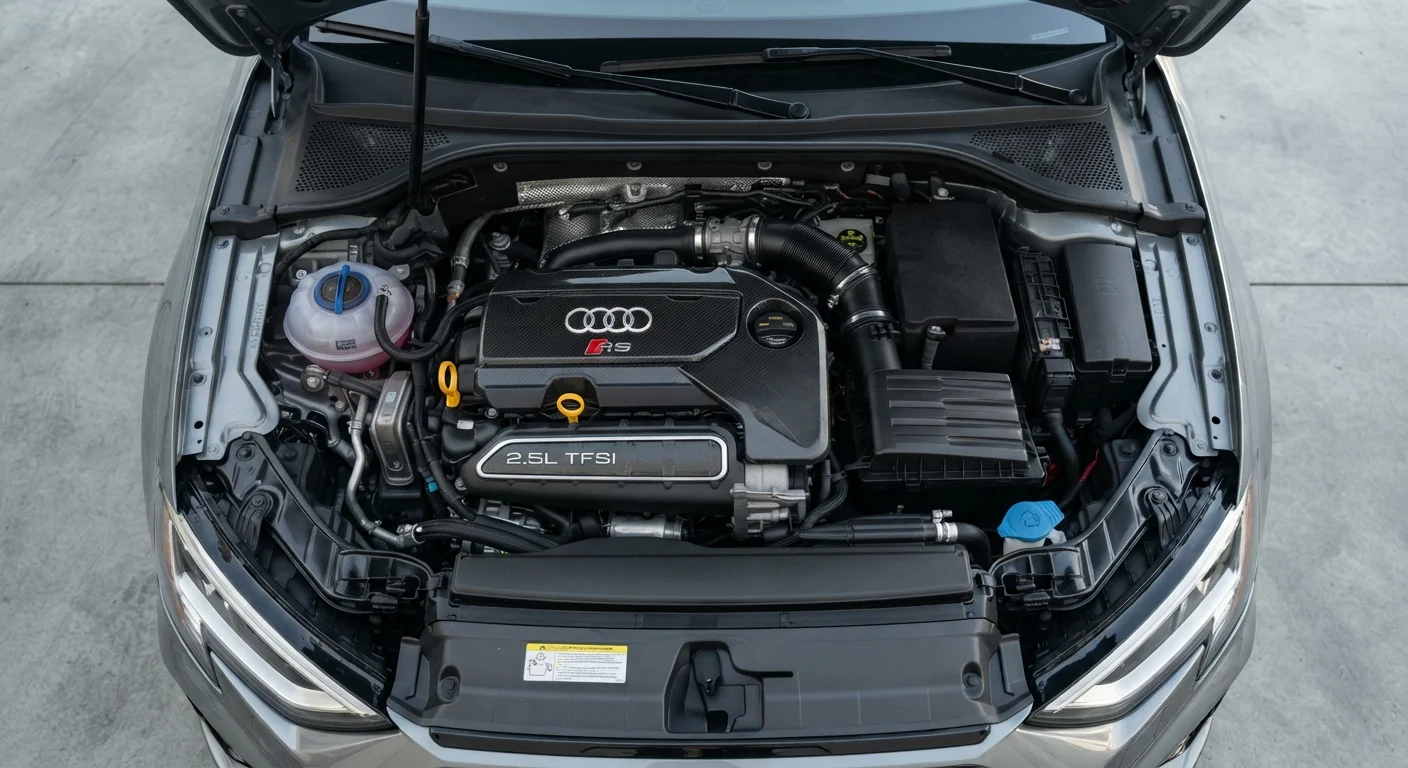
Photo credit: SnippetColumns.com | Easy Search, Reliable Information
In this article
From coolant to brake fluid, your car runs on more than gas. Learn what each fluid does, where it lives, and when to top it off.
Why Fluids Are Your Car's Life Support
Your vehicle depends on a network of specialized fluids to lubricate, cool, pressurize, and clean its systems. Let one run low or go bad, and you're looking at anything from a stiff steering wheel to a seized engine. The good news: most fluid checks take under five minutes and require no tools. Understanding what each fluid does - and where it lives - is the foundation of smart car ownership.
For a broader look at keeping your car road-worthy, see The Complete Roadmap to Routine Vehicle Maintenance.
| Number of essential vehicle fluids | 6-8 depending on drivetrain |
| Engine oil check frequency | Monthly or before long trips (General industry guidance) |
| Coolant flush interval (typical) | Every 30,000-50,000 miles (Varies by vehicle; consult owner's manual) |
| Brake fluid moisture absorption | Hygroscopic - absorbs water over time (Reduces boiling point, affects braking performance) |
| Transmission fluid change interval | 30,000-60,000 miles (manual); 60,000-100,000 (automatic) (Varies widely by manufacturer) |
| Power steering fluid capacity (typical) | 1 quart or less |
The Six Core Fluids and What They Do
Engine Oil
Engine oil lubricates moving metal parts, reduces friction, and carries heat away from the engine. It degrades over time as it accumulates combustion byproducts. Check the level monthly via the dipstick; look for a clear amber color. Dark, gritty oil is a sign it's overdue for a change. See what the evidence actually says about oil change intervals before defaulting to the old 3,000-mile rule.
Coolant (Antifreeze)
Coolant circulates through the engine and radiator to prevent overheating in summer and freezing in winter. The reservoir is usually a translucent plastic tank with MIN/MAX lines - check it when the engine is cold. Low coolant or a milky appearance (which can indicate oil contamination) warrants a mechanic's attention. Fluid condition matters more in temperature extremes; review seasonal car maintenance tips before weather shifts.
Brake Fluid
Brake fluid is a hydraulic fluid that transmits the force of your foot on the pedal to the brake calipers. It's hygroscopic - meaning it absorbs moisture from the air over time, which lowers its boiling point and reduces braking effectiveness. The reservoir is typically located near the firewall on the driver's side. If the level is consistently dropping, have the system inspected for leaks. For related brake system context, see brake maintenance warning signs.
Transmission Fluid
Transmission fluid lubricates gears and acts as a hydraulic fluid in automatic transmissions. Some vehicles have a dipstick for checking it; others require a mechanic to inspect under the car. Burnt smell or discoloration signals a fluid change is needed. Change intervals vary widely - always follow your owner's manual.
Power Steering Fluid
This hydraulic fluid allows you to steer with minimal effort. Many newer vehicles use electric power steering and have no fluid at all, so check whether your car has a power steering reservoir before looking. A whining noise when turning is a common symptom of low fluid or a developing leak.
Windshield Washer Fluid
The only fluid on this list that doesn't affect mechanical performance - but visibility is safety. Use a rated washer fluid, not plain water, which can freeze in the reservoir and damage the pump in cold climates.
Viscosity
A fluid's resistance to flow, often described by its thickness. Engine oil grades like 5W-30 indicate viscosity at cold and operating temperatures.
Coolant (Antifreeze)
A liquid mixture - typically ethylene glycol and water - that circulates through the engine to regulate temperature and prevent freezing or boiling.
Hydraulic fluid
Any fluid used to transmit force within a closed system. Brake fluid and power steering fluid are both hydraulic fluids in your vehicle.
Reservoir
A small tank or chamber under the hood that holds a specific fluid and lets you check the level without opening the main system.
Differential fluid
Gear oil that lubricates the differential, the component that splits engine power between your wheels on turns.
DOT rating
A U.S. Department of Transportation classification for brake fluid (e.g., DOT 3, DOT 4) that indicates its boiling point and chemical composition.
Checking Fluids: A Few Practical Ground Rules
Check most fluids when the engine is cold and the car is on level ground. Hot engines pressurize coolant systems - opening the cap under pressure can cause burns. Brake and power steering fluid levels are read directly from reservoir markings; engine oil uses a dipstick you pull, wipe, reinsert, and read again.
If a fluid level keeps dropping despite regular top-offs, that's a leak - not a normal consumption pattern. Topping off a leaking system is a temporary measure, not a fix. A qualified mechanic should diagnose the source. New drivers will find practical context in what to know before your first repair.
Always Check Your Owner's Manual First
Fluid specifications vary significantly by make, model, and model year. Using the wrong fluid - even a close substitute - can void warranties or damage components. Your owner's manual lists the exact fluid types and capacities your vehicle requires. When in doubt, ask a qualified mechanic before adding anything to a system you're unfamiliar with.
This article is for general informational purposes only and does not constitute professional mechanical advice. Consult a qualified mechanic for diagnosis, repairs, or vehicle-specific guidance.

Author
Autos & Driving Editorial Team
Autos & Driving Editorial Team is the collective byline for our editorial team and contributor network. Articles published under this byline or an editorial pen name are researched, written, and reviewed according to our editorial standards for clarity, consistency, and independence before publication.
View all articles →