
The Complete Roadmap to Routine Vehicle Maintenance
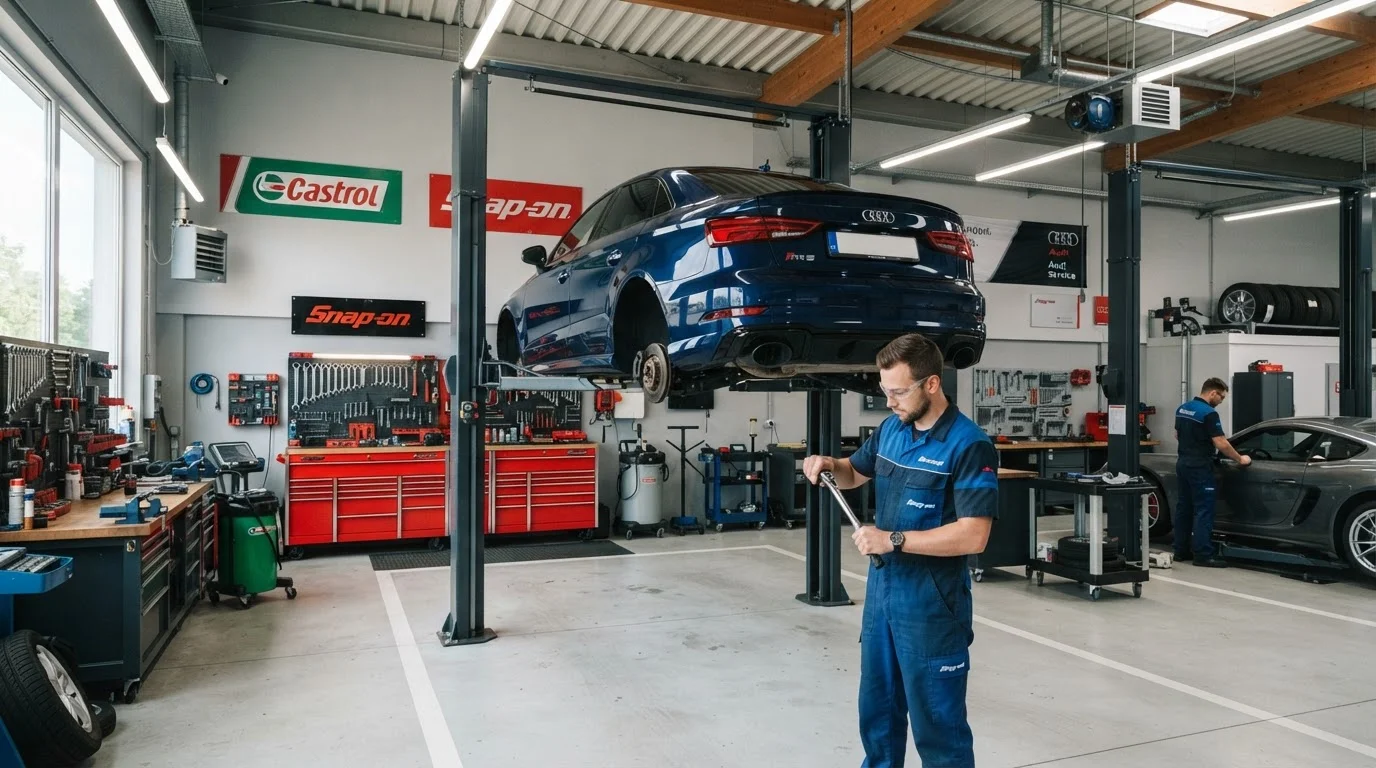
Photo credit: SnippetColumns.com | Easy Search, Reliable Information
In this article
Everything everyday drivers need to know about keeping a car road-worthy — from oil intervals to inspections — in one authoritative resource.
Key Takeaways
- Follow your owner's manual for service intervals - not the generic advice posted at quick-lube shops.
- Many basic checks like tire pressure, fluid levels, and wiper condition can be done without any shop visit.
- Keeping a written maintenance log protects resale value and helps mechanics diagnose problems faster.
- Deferred maintenance compounds - a neglected $20 cabin filter can eventually affect HVAC performance.
- Seasonal conditions place extra stress on specific systems; anticipate them before they cause failures.
Why Routine Maintenance Pays for Itself
Most vehicle breakdowns aren't random bad luck - they're the predictable result of deferred maintenance. A timing belt left past its service life, coolant never flushed, or brake pads worn to metal all follow a clear path from neglect to failure. The cost differential between preventive upkeep and emergency repair is substantial in nearly every case.
Beyond avoiding repair bills, a well-maintained vehicle is safer and more fuel-efficient. Under-inflated tires increase stopping distance and reduce mpg. A clogged air filter forces the engine to work harder. These aren't theoretical risks - they affect every drive. If you're new to ownership, our guide for new drivers covers the fundamentals before your first shop visit.
$792
Average annual vehicle maintenance cost per driver
According to AAA's annual Your Driving Costs study, routine maintenance and tires together represent a significant share of total vehicle ownership expenses.
1 in 3
Vehicles on the road with at least one recall unaddressed
NHTSA data consistently shows a large share of vehicles have open safety recalls, separate from routine maintenance, underscoring why staying current on vehicle records matters.
25%
Fuel efficiency loss from severely under-inflated tires
The U.S. Department of Energy notes that tire pressure is one of the simplest factors affecting fuel economy, with measurable mpg impact when pressure drops significantly below recommended levels.
The Core Maintenance Schedule Every Driver Should Know
The single most reliable source for your car's maintenance schedule is the owner's manual in the glove box - not the sticker on your windshield from the last oil change. Manufacturer-recommended intervals account for your specific engine, transmission, and operating conditions. Generic advice often lags behind what modern vehicles actually require.
Here's a general framework based on widely accepted industry guidance. Actual intervals vary by make, model, and driving conditions:
- Every 5,000-10,000 miles: Engine oil and filter (check your manual; many modern vehicles specify synthetic oil at longer intervals)
- Every 15,000-30,000 miles: Air filter, cabin air filter, tire rotation
- Every 30,000-60,000 miles: Brake fluid, coolant flush, spark plugs (platinum or iridium plugs often last longer)
- Every 60,000-100,000 miles: Transmission fluid, timing belt (if applicable), serpentine belt
Common maintenance myths - like the long-standing 3,000-mile oil change rule - can lead drivers to overspend unnecessarily. Verify the interval your vehicle actually calls for.
Cross-reference any shop recommendation against your owner's manual before approving it. If the manual says 60,000 miles and the shop says 30,000, ask for the manufacturer documentation that justifies the earlier interval.
Service upsells are most effective when customers don't know what their vehicle actually requires. Your manual is the authoritative source, not the shop's posted schedule.
When buying a used vehicle, pay a trusted independent mechanic $100-$150 for a pre-purchase inspection before signing anything. It's the single highest-ROI expenditure in used-car buying.
Hidden deferred maintenance - worn brakes, leaking seals, compromised belts - is invisible during a test drive but immediately apparent to a trained eye on a lift.
Fluids, Filters, and the Checks You Can Do Yourself
A surprising number of maintenance checks require nothing more than a clean rag, a flashlight, and five minutes. Learning these basics means you can catch problems early and walk into a shop with better information.
Fluid Checks
- Engine oil: Check when the engine is cold, on level ground. The dipstick should read between the MIN and MAX marks; the oil should be amber to light brown, not black and gritty.
- Coolant: Inspect the reservoir when the engine is cold. Never open the radiator cap on a hot engine.
- Brake fluid: Visible through the translucent reservoir on the master cylinder. Dark fluid or a low level warrants attention.
- Windshield washer fluid: The one fluid you can top off yourself with zero risk.
Filter Checks
Engine and cabin air filters are typically visible without tools. A heavily clogged cabin filter restricts airflow to your HVAC system and degrades air quality inside the vehicle. Engine air filters with heavy debris buildup affect combustion efficiency.
Check Your Filters When You Change Your Oil
Use every oil change as a prompt to visually inspect both the engine air filter and the cabin air filter. Neither requires tools in most vehicles, and catching a clogged filter early costs far less than the downstream effects of ignoring it.
For seasonal-specific checks - coolant concentration in winter, AC refrigerant concerns in summer - see our seasonal maintenance guide.
Tires: The Most Overlooked Safety Item
Tires are the only part of your vehicle in contact with the road, yet tire maintenance is consistently neglected. Three checks cover the essentials:
- Pressure: Check monthly and before long drives, when tires are cold. The correct PSI is on the door jamb sticker - not the max PSI molded into the sidewall.
- Tread depth: Insert a quarter into a tread groove with Washington's head pointing down. If you can see the top of his head, the tread is worn and replacement is warranted. The penny test (Lincoln's head) indicates legally dangerous wear.
- Even wear patterns: Feathering, cupping, or one-sided wear signal alignment, balance, or suspension issues that tire rotation alone won't fix.
Don't Rely on the Low-Pressure Warning Light Alone
Most TPMS (tire pressure monitoring system) warning lights activate only after pressure drops 25% below the recommended level - at which point handling and stopping distance are already compromised. Monthly manual checks with a gauge are the only way to catch gradual pressure loss early.
Rotate tires every 5,000-7,500 miles to equalize wear across all four corners, extending tire life and maintaining predictable handling.
When to See a Mechanic - and How to Avoid Overpaying
Not everything belongs on the DIY list. Brake system work, suspension components, and anything involving fuel or high-voltage systems (hybrids/EVs) should be handled by a qualified mechanic. The risk of an error outweighs the cost savings.
When you do visit a shop, these practices help you stay informed and in control:
- Get a written estimate before authorizing any work. Reputable shops provide itemized labor and parts costs upfront.
- Ask what is recommended vs. required. Some upsells are legitimate; others are premature. Cross-reference with your owner's manual.
- Bring your maintenance log. Documentation of past service prevents duplicate charges and helps mechanics diagnose issues faster.
- Understand warranty implications. Using an independent shop does not void your factory warranty under the Magnuson-Moss Warranty Act, provided you use parts meeting OEM specifications and keep records.
Brake Warning Signs Require Immediate Attention
Squealing, grinding, a soft or pulsating brake pedal, or a vehicle that pulls to one side during braking are not issues to schedule for later. Brake system failures can cause loss of vehicle control. If you notice any of these symptoms, have the vehicle inspected by a qualified mechanic before driving it further whenever safely possible.
Before any long drive, run through a pre-trip checklist. Our road trip planning guide includes a full vehicle prep section to ensure your car is ready before you leave the driveway.
“The most expensive repair is always the one you could have prevented. Deferred maintenance is really just borrowing against your future repair budget at a very high interest rate.”
— Rich White, Executive Director, Car Care Council
Building Your Own Maintenance Record
A maintenance log is one of the most underrated tools available to vehicle owners. It takes minutes to maintain and delivers clear benefits: faster mechanic diagnoses, proof of care when selling, and a personal reminder system for upcoming services.
Record the date, mileage, service performed, cost, and shop name (or "DIY") for every maintenance item. A simple notebook in the glove box works fine. Dedicated apps like those offered by your automaker's connected services platform can automate some tracking.
When the time comes to sell, documented maintenance history adds credibility and typically supports a stronger asking price - especially for higher-mileage vehicles where buyers are rightly cautious.
Digital Records Count Too
Many dealerships and chain shops maintain digital service histories tied to your VIN. If you've lost paper records, contact previous service locations - they may be able to reconstruct a history going back several years. This can be valuable when establishing a maintenance baseline for a vehicle you've recently purchased.
This article provides general vehicle maintenance information for educational purposes only. Service intervals, procedures, and safety considerations vary by vehicle make, model, year, and condition. Always consult your owner's manual and a qualified mechanic before performing or authorizing any repair or maintenance work.

Author
Autos & Driving Editorial Team
Autos & Driving Editorial Team is the collective byline for our editorial team and contributor network. Articles published under this byline or an editorial pen name are researched, written, and reviewed according to our editorial standards for clarity, consistency, and independence before publication.
View all articles →