
Seasonal Car Maintenance: Preparing for Winter and Summer Extremes
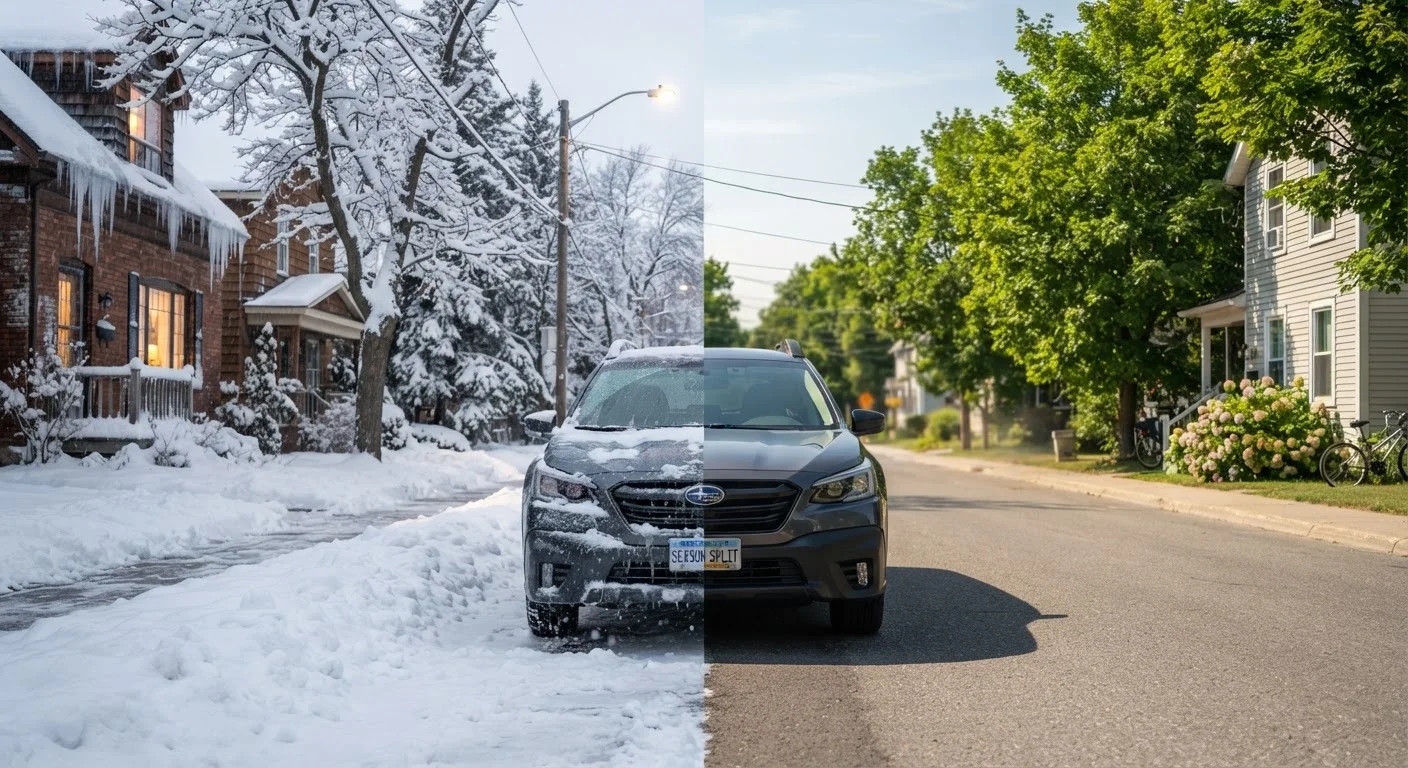
Photo credit: SnippetColumns.com | Easy Search, Reliable Information
In this article
Temperature swings stress your vehicle in different ways. Use this seasonal guide to keep your car ready for whatever the weather brings.
Key Takeaways
- Cold weather stresses your battery, tires, and fluids - check all three before the first hard freeze.
- Summer heat accelerates coolant breakdown and tire pressure fluctuation, both of which can sideline your car.
- Many seasonal checks are visual or hands-on and don't require a shop visit.
- Catching worn parts before the season changes is almost always cheaper than emergency repairs mid-season.
- Brakes and tires carry safety consequences in both extremes - prioritize them in every seasonal audit.
Why Seasonal Maintenance Pays Off
Most vehicle breakdowns aren't random - they're predictable. Cold snaps expose weak batteries. Prolonged summer heat pushes cooling systems past their limits. The pattern repeats every year, and drivers who audit their cars ahead of seasonal transitions consistently avoid the most expensive surprises.
This checklist covers the specific systems that take the hardest hits in winter and summer. It's designed to help you identify what you can verify yourself and what warrants a qualified mechanic's attention. For a broader look at year-round upkeep, see The Complete Roadmap to Routine Vehicle Maintenance. And if budget is a real constraint, Car Maintenance on a Tight Budget walks through how to prioritize what matters most without overspending.
Tire pressure gauge
Accurate pressure readings are essential for seasonal adjustments - built-in gas station gauges are often unreliable.
Battery load tester or CCA tester
Measures actual cold-cranking performance rather than just voltage, giving a truer picture of battery health.
Antifreeze / coolant tester
A float-style or refractometer tester lets you verify freeze protection level without draining the system.
Tread depth gauge
More precise than the quarter test for accurately measuring remaining tread across multiple tread channels.
Multimeter
Useful for checking battery voltage and verifying electrical connections for lights and accessories.
Owner's manual
Your definitive source for fluid specs, torque values, maintenance intervals, and tire pressure recommendations specific to your vehicle.
Winter Preparation Checklist
Winter punishes neglected vehicles fast. Battery capacity drops significantly in cold temperatures, tire pressure falls roughly one PSI for every 10°F drop in ambient temperature, and old coolant loses its freeze protection. Run through this group before temperatures consistently drop below 40°F.
Winter: Battery & Electrical
Winter: Tires & Traction
Winter: Fluids & Visibility
Summer: Cooling System
Summer: Tires & Belts
Summer: Interior & Emergency Readiness
Don't Test Coolant on a Hot Engine
Always let the engine cool completely - at least 30 minutes after driving - before opening the radiator cap or reservoir. The cooling system is pressurized, and removing the cap while hot can cause scalding coolant to spray forcefully. This applies in both winter and summer inspections.
For a deeper look at one of the most safety-critical systems year-round, see Brake Maintenance: What's Normal, What's a Warning Sign.
Summer Preparation Checklist
Summer's threats are subtler but just as serious. Heat degrades rubber hoses and belts faster, coolant effectiveness diminishes over time, and overinflated tires - a common result of rising ambient temperatures - wear unevenly and are more prone to blowouts. Complete this group before sustained temperatures above 85°F become routine in your area.
Overheating Is a Stop-Immediately Situation
If your temperature gauge climbs into the red or an overheat warning illuminates while driving, pull over safely as soon as possible and shut off the engine. Continuing to drive an overheating engine can cause severe and costly internal damage - warped heads, cracked blocks, or seized pistons. Do not remove the radiator cap until the engine has cooled completely, and have the vehicle inspected by a qualified mechanic before driving it again.
If you're planning a long drive, pair this checklist with the road trip readiness checklist and review what a vehicle safety inspection actually covers so you know what a pre-trip mechanic visit should include.
New to vehicle ownership? Vehicle Ownership for New Drivers offers plain-English context for interpreting what you find during these checks. For a rundown of every fluid in your car and what it does, see Car Fluid Types Every Driver Should Recognize.
This article provides general vehicle maintenance information for educational purposes. Tasks involving your vehicle's mechanical, electrical, or brake systems should be evaluated by a qualified mechanic if you are unsure of your ability to perform them safely. Specific maintenance intervals vary by vehicle make, model, and driving conditions - always consult your owner's manual.

Author
Autos & Driving Editorial Team
Autos & Driving Editorial Team is the collective byline for our editorial team and contributor network. Articles published under this byline or an editorial pen name are researched, written, and reviewed according to our editorial standards for clarity, consistency, and independence before publication.
View all articles →