
What a Vehicle Safety Inspection Actually Covers — and Why It Matters Before a Long Drive
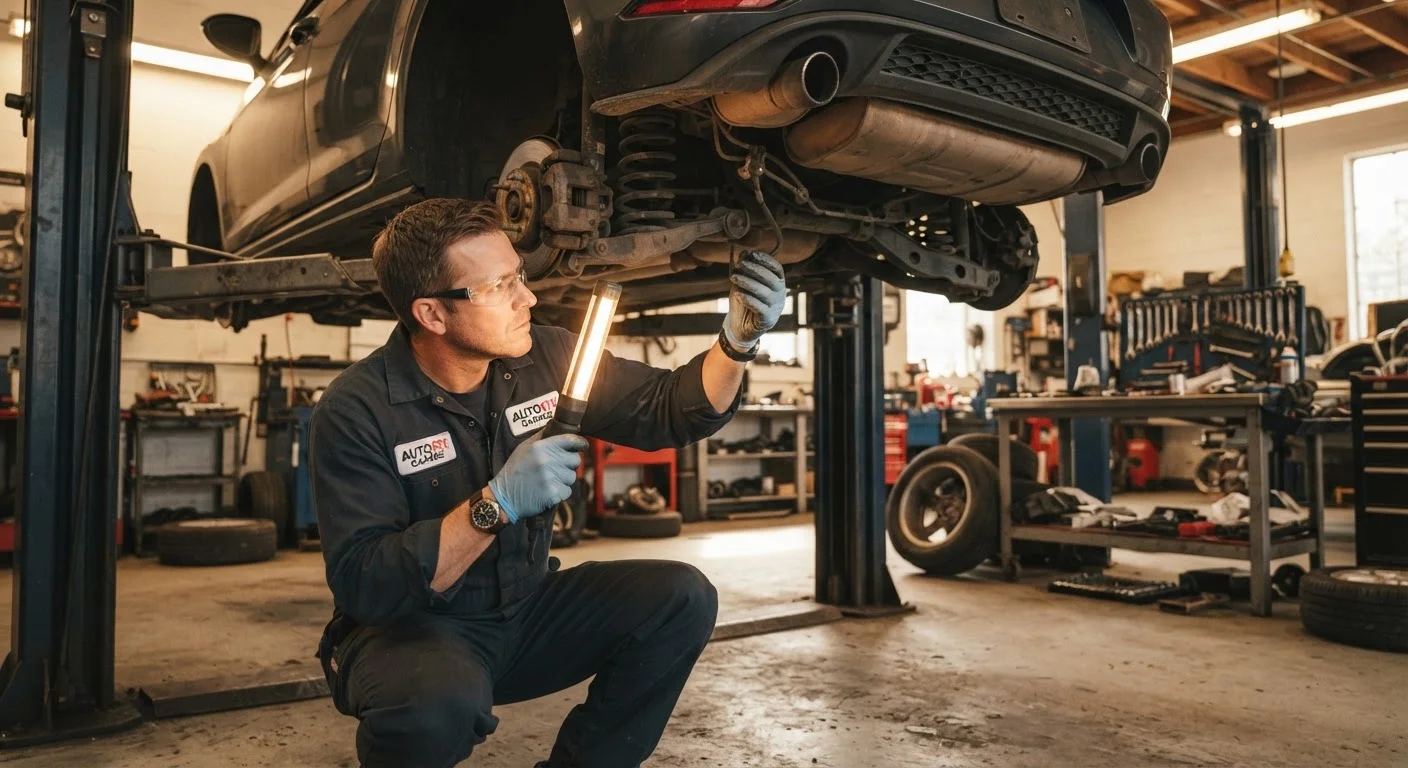
Photo credit: SnippetColumns.com | Easy Search, Reliable Information
In this article
Understand what mechanics check during a pre-trip inspection, which items are most critical, and when to consult a professional before you travel.
Key Takeaways
- A pre-trip inspection covers brakes, tires, fluids, lights, belts, and steering — not just a quick visual once-over.
- Tires and brakes are the most safety-critical items; worn components can fail at highway speeds.
- A professional inspection is worth the cost for trips over 500 miles or vehicles with deferred maintenance.
- You can handle basic checks yourself, but a trained mechanic spots wear patterns and fluid conditions the untrained eye misses.
- Catching one failing part before a long drive can prevent a breakdown, a collision, or a costly roadside repair.
What Gets Checked — System by System
A real pre-trip inspection isn't a once-around-the-car walk. It's a structured review of the systems that keep you moving — and, more importantly, the ones that stop you. Here's what a competent mechanic evaluates:
- Tires: Tread depth (below 2/32" is legally unsafe in most states), sidewall condition, even wear patterns, and inflation pressure. Uneven wear often signals an alignment or suspension issue — not just a tire problem.
- Brakes: Pad and rotor thickness, brake fluid level and condition, and caliper function. Brake fade at highway speeds is dangerous; worn pads can go from "adequate" to "metal-on-metal" faster than most drivers expect.
- Fluids: Engine oil, coolant, transmission fluid, power steering fluid, brake fluid, and windshield washer fluid. Low or degraded fluid is often the earliest warning of a bigger mechanical issue.
- Lights: Headlights (low and high beam), taillights, brake lights, turn signals, and hazard flashers. A burned-out brake light is both a safety risk and a ticket waiting to happen.
- Battery and charging system: Battery terminals, charge level, and alternator output. Heat and repeated short trips degrade batteries faster than most people realize.
- Belts and hoses: Serpentine belt condition, coolant hoses for cracks or softness, and timing belt interval if applicable. A snapped belt leaves you stranded; a ruptured hose can overheat your engine in minutes.
- Steering and suspension: Tie rods, ball joints, shocks, and struts. These components affect handling stability, especially on winding or unfamiliar roads.
- Windshield wipers and defroster: Streak-free wiper blades and a functioning rear defroster matter most in rain or early-morning departures.
For a broader view of ongoing maintenance that keeps these systems healthy between inspections, see The Complete Roadmap to Routine Vehicle Maintenance.
~44%
Of roadside breakdowns linked to tire issues
Industry data from AAA and similar roadside assistance providers consistently identifies tire-related failures — including flats and blowouts — as among the most common causes of breakdown calls.
2/32"
Minimum legal tread depth in most U.S. states
Most states set 2/32 of an inch as the legal minimum; safety advocates often recommend replacement at 4/32" for wet-road braking performance.
3–5 years
Typical car battery lifespan
The Car Care Council notes that most automotive batteries need replacement within three to five years, with heat and frequent short trips accelerating degradation.
Which Items Are Most Critical — and Why
Not all inspection items carry equal weight. Some deficiencies are inconveniences; others are genuine safety hazards at highway speeds.
Tires and brakes top the list. These are the only systems standing between you and a loss-of-control situation. Tires in poor condition — whether from tread wear, uneven inflation, or sidewall damage — are more prone to blowouts, especially when hot from extended highway driving. Brake fade from worn pads or overheated fluid can extend stopping distances at exactly the wrong moment.
Cooling system failures are the leading cause of roadside breakdowns on long trips. A coolant leak or failed thermostat that's manageable on your daily commute can turn into a full engine overheat when you're running at sustained highway speeds in summer heat.
Battery issues tend to appear at inconvenient times. A battery that holds enough charge to start your car in the driveway every morning may not have enough reserve to start after sitting in a parking lot on a hot afternoon mid-trip.
Book Your Inspection Early — Not the Day Before
Schedule a pre-trip inspection at least five to seven days before departure. This gives the shop time to order any needed parts — especially tires, which may require a day or two for delivery — and gives you time to get a second opinion if a repair quote seems high. Day-before appointments leave no room to maneuver.
Steering and suspension wear is often gradual and easy to overlook until you're navigating an unfamiliar road in poor weather. If your vehicle pulls to one side, feels vague around corners, or bounces excessively on highway pavement, those are cues worth investigating before departure. See also Seasonal Car Maintenance: Preparing for Winter and Summer Extremes for how temperature extremes compound wear on these components.
When to Call a Professional — and What to Do Yourself
There's a reasonable split between what you can verify yourself and what requires a trained technician.
DIY-friendly checks:
- Tire pressure (use a gauge; don't eyeball it)
- All fluid levels via dipstick or reservoir markings
- Windshield wiper condition and washer fluid
- Exterior lights — walk around the car with a helper, or back up to a reflective surface to check brake lights
- Visual check for obvious fluid leaks under the parked vehicle
Leave these to a mechanic:
- Brake pad and rotor measurement
- Battery load testing (charge level alone doesn't reveal cold-cranking reserve)
- Belt and hose condition (cracking can be internal or hard to see)
- Suspension component play and wear
- Diagnostic scan for any active or stored warning codes
If your vehicle is overdue for routine maintenance — oil change, tire rotation, or a service interval — address that before the inspection, not after. Mechanics can give you a more accurate picture of the vehicle's condition when fluids are fresh and known intervals are met.
New to managing vehicle upkeep? Vehicle Ownership for New Drivers: What to Know Before Your First Repair is a solid plain-English starting point. And before you pull out of the driveway, use Before You Leave the Driveway: A Road Trip Readiness Checklist to confirm every system — and document — is in order.
Don't Forget Your Insurance Coverage
Before a long trip, it's worth confirming that your auto insurance policy includes roadside assistance or towing coverage. A pre-trip inspection reduces breakdown risk, but it doesn't eliminate it. Review your policy documents and consult a licensed insurance agent if you're unsure what your current coverage includes. See The Auto Insurance Renewal Checklist Every Driver Should Run Through for guidance on evaluating your coverage.
This article provides general vehicle information for educational purposes only. It is not a substitute for advice from a qualified, licensed mechanic. Always consult a professional for diagnosis and repair decisions specific to your vehicle.
Frequently Asked Questions

Author
Autos & Driving Editorial Team
Autos & Driving Editorial Team is the collective byline for our editorial team and contributor network. Articles published under this byline or an editorial pen name are researched, written, and reviewed according to our editorial standards for clarity, consistency, and independence before publication.
View all articles →