
Brake Maintenance: What's Normal, What's a Warning Sign
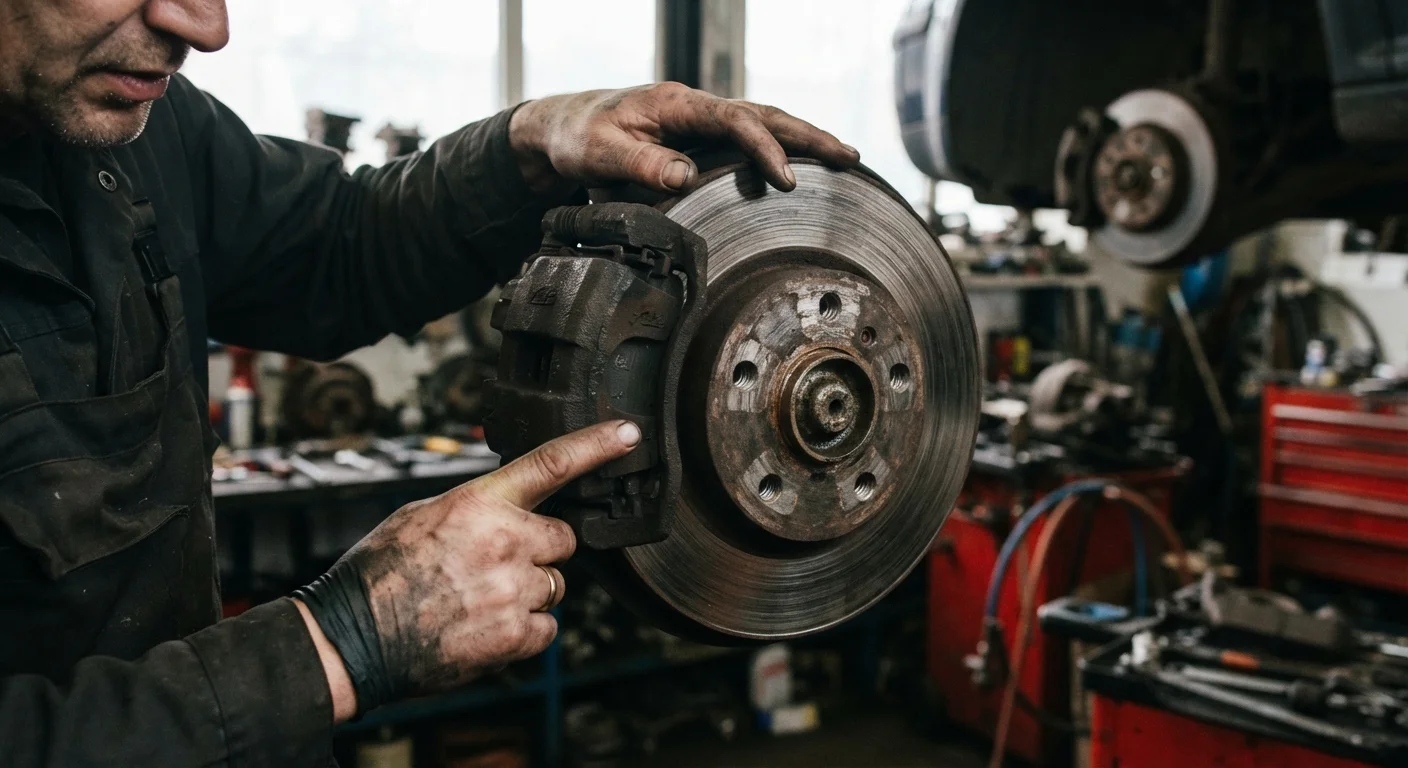
Photo credit: SnippetColumns.com | Easy Search, Reliable Information
In this article
Squealing, grinding, pulsing — your brakes communicate clearly when something's wrong. Learn to read the signals before they become emergencies.
Key Takeaways
- Brake pads typically last 30,000-70,000 miles, but driving habits and terrain affect wear significantly.
- Squealing is often a built-in wear indicator - grinding usually means the pad is already gone.
- Brake fluid absorbs moisture over time and should be checked per your owner's manual schedule.
- A pulsing or vibrating brake pedal often signals warped rotors, not just worn pads.
- Some brake noises are normal; others demand prompt attention from a qualified mechanic.
How Brakes Wear: The Basics Every Driver Should Know
Your brake system works by pressing friction material (the pad) against a spinning metal disc (the rotor) to slow the wheel. Every stop chips away at that friction material. Most brake pads include a small metal wear indicator - a thin tab that contacts the rotor and emits a high-pitched squeal once pads have worn to a certain threshold. That sound is intentional. It's a signal, not a defect.
Wear rates vary widely. A driver who commutes stop-and-go in a city will burn through pads far faster than someone logging mostly highway miles. Heavier vehicles, mountainous terrain, and aggressive driving styles all accelerate wear. Checking brake pad thickness at every tire rotation - typically every 5,000-7,500 miles - is a practical baseline that many drivers overlook.
For a broader look at how brake checks fit into overall vehicle upkeep, see The Complete Roadmap to Routine Vehicle Maintenance.
30K-70K
Miles typical brake pads last
The range reflects significant variation based on driving conditions, vehicle weight, and pad material type.
~2-3 mm
Minimum safe brake pad thickness
Many manufacturers and mechanics recommend inspection or replacement when pads reach this threshold, though specifications vary by vehicle.
2-3 years
Recommended brake fluid flush interval
Many vehicle manufacturers suggest this interval, though owners should confirm against their specific owner's manual.
Normal Sounds vs. Warning Signs
Not every brake noise means trouble. Understanding the difference can save you a trip to the shop - or alert you that one is overdue.
Generally Normal
- Brief morning squeal: Light surface rust builds overnight on rotors. A squeal or two on the first few stops, which then disappears, is usually harmless.
- Light noise in wet weather: Moisture on rotor surfaces can cause temporary noise that clears as brakes warm up.
Worth Investigating Soon
- Persistent squealing while braking: This is the wear indicator doing its job. You likely have life left in the pads, but an inspection is warranted.
- Soft or spongy pedal feel: Can indicate air in the brake lines or low/degraded brake fluid. Don't ignore this one - consult a mechanic promptly.
Requires Prompt Attention
- Grinding: Metal-on-metal contact means pads are spent. Driving further risks rotor damage and reduced stopping power.
- Pulling to one side: Uneven brake wear or a sticking caliper can cause your vehicle to veer under braking - a safety concern that needs diagnosis.
- Pulsing or vibrating pedal: Often indicates warped rotors, which affect consistent stopping force.
Check Pads at Every Tire Rotation
Many tire shops and quick-lube facilities will visually inspect brake pad thickness for free when rotating tires. Make it a habit to ask. Catching wear early means you can schedule pad replacement on your terms - not in an emergency. See Seasonal Car Maintenance for how temperature extremes can accelerate brake wear.
Brake Fluid: The Overlooked Variable
Drivers rarely think about brake fluid until something goes wrong. Unlike engine oil, there's no dashboard light that reliably signals degraded brake fluid. Yet fluid condition matters - brake fluid is hygroscopic, meaning it gradually absorbs moisture from the environment. As water content rises, the fluid's boiling point drops. Under hard braking, overheated fluid can vaporize and cause a sudden loss of pedal pressure - a phenomenon called brake fade.
Most manufacturers recommend a flush every two to three years, but your owner's manual is the authoritative source for your specific vehicle. A mechanic can test moisture content with a simple probe. Brake fluid is generally inexpensive to flush relative to the risk of neglecting it.
For a full look at the fluids your car depends on, Car Fluid Types Every Driver Should Recognize explains what each one does and when to act.
Avoiding Unnecessary Costs at the Shop
Brake service is one area where upsells are common. Understanding what's actually needed - versus what's being added - puts you in a stronger position at the service counter.
Rotors don't automatically need replacement every time pads are changed. Many rotors can be resurfaced (machined flat) if they're above minimum thickness. A shop that recommends replacing all four rotors on a vehicle with relatively low mileage and no pulsing complaints deserves a follow-up question. Ask to see the rotor thickness measurements.
Similarly, calipers rarely need replacement unless they're leaking, seized, or visibly damaged. If a shop recommends caliper replacement on a routine pad job with no symptoms, ask for the specific reason.
Signs You're Paying Too Much for Routine Service covers how to recognize unnecessary add-ons and have more informed conversations at the service counter. And if budget is a constraint, Car Maintenance on a Tight Budget offers practical strategies for prioritizing what matters most.
Frequently Asked Questions

Author
Autos & Driving Editorial Team
Autos & Driving Editorial Team is the collective byline for our editorial team and contributor network. Articles published under this byline or an editorial pen name are researched, written, and reviewed according to our editorial standards for clarity, consistency, and independence before publication.
View all articles →