
Why Your Grocery Bill Keeps Climbing Even When You Plan Ahead
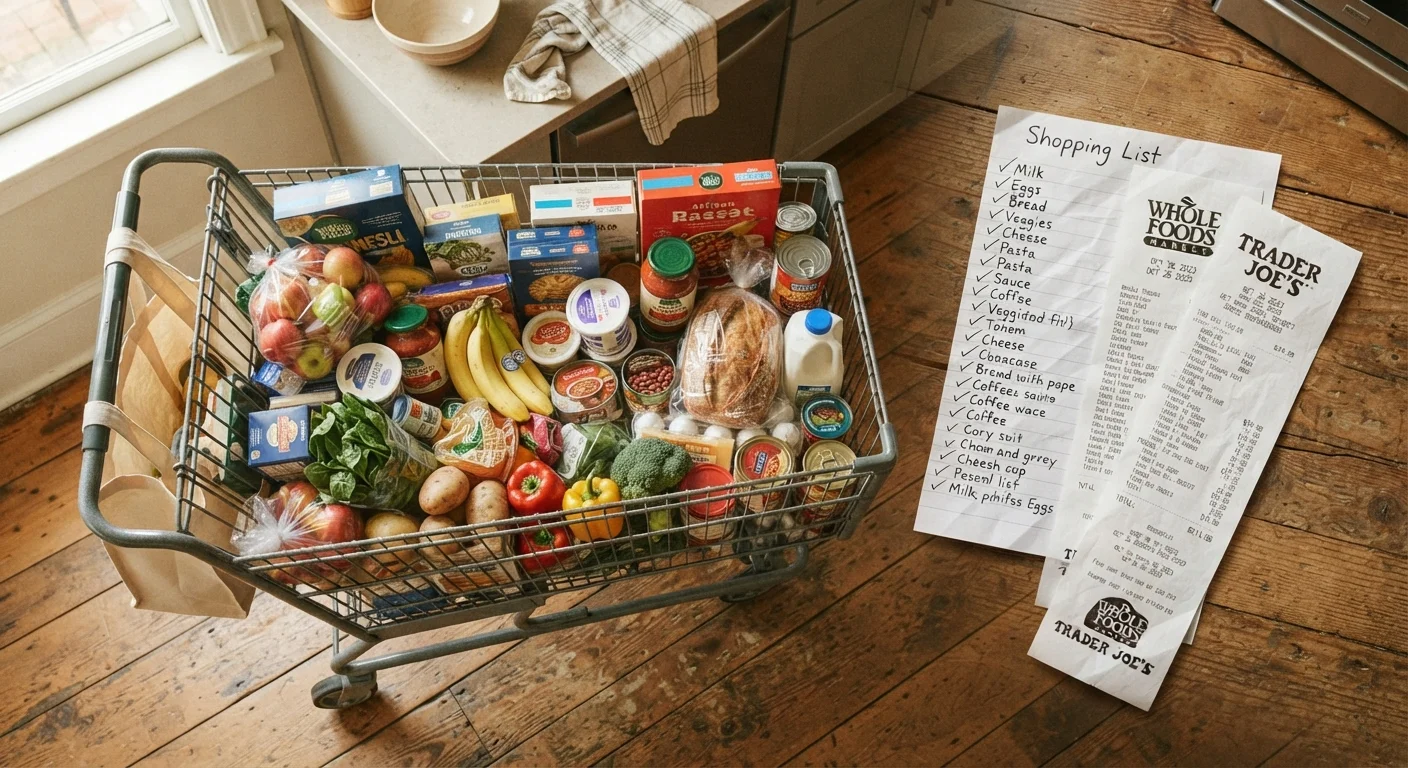
Photo credit: SnippetColumns.com | Easy Search, Reliable Information
In this article
Explore the common shopping habits and store design tactics that quietly inflate your grocery total every week.
Key Takeaways
- Store layouts are intentionally designed to expose you to more products than you planned to buy.
- Shopping while hungry or tired measurably increases unplanned purchases.
- A written list reduces impulse buying, but only if you actually stick to it.
- Buying in bulk saves money only when you use everything before it expires.
- Unit price comparison — not package size — is the most reliable way to evaluate grocery value.
Planning Helps, But It's Not the Whole Picture
You made a list. You checked it twice. You even ate before leaving the house. Yet somehow the receipt still reads $40 more than expected. If this sounds familiar, you're not alone — and you're probably not being careless. The reality is that grocery stores are optimized environments designed to encourage spending, and even well-prepared shoppers run into predictable traps every week.
Understanding the specific habits and store tactics that quietly inflate your total is the first step toward actually controlling it. This isn't about extreme couponing or eliminating treats — it's about identifying the small, repeatable errors that compound into real money over time. As small daily expenses add up faster than most people realize, grocery overspending is often one of the biggest culprits hiding in plain sight.
Shopping without a firm, itemized list — or writing one but ignoring it in the store.
Why it happens: Lists often stay at a high level ("vegetables," "snacks") rather than specifying exact items and quantities, leaving too much room for in-store decisions.
Buying in bulk without accounting for spoilage or storage limits.
Why it happens: Bulk pricing genuinely can be lower per unit, and shoppers assume savings are automatic — without calculating whether they'll actually use the quantity purchased.
Comparing prices by package size rather than unit price.
Why it happens: Large packaging creates a visual impression of value, and shoppers rarely take the time to do the per-ounce or per-unit math in the aisle.
Shopping when hungry, rushed, or emotionally stressed.
Why it happens: Decision fatigue and physical hunger both reduce impulse control. Convenience and comfort items become harder to pass up when you're running on empty.
Treating "on sale" as automatic justification for buying something not already on your list.
Why it happens: Discounts trigger a perceived-savings mindset — the brain focuses on what's being saved rather than what's being spent.
How Stores Are Built to Work Against Your Budget
Grocery store design is a studied science. Staple items like milk and eggs are placed at the back of the store, pulling you through aisles of non-essentials. End caps — the displays at the end of each aisle — showcase items at full price that shoppers often assume are on sale. Eye-level shelving is sold to premium brands precisely because it captures the most attention.
~$270
Average weekly U.S. household food spending
According to Gallup polling data, American households report spending roughly $270 per week on food, a figure that has risen substantially over recent years.
30–40%
Grocery purchases that are unplanned
Research published in the Journal of Consumer Research has found that a significant share of in-store purchases are unplanned, driven by in-store environment and impulse.
Pricing tactics play an equally large role. Larger packages don't always cost less per unit — but they look like a deal. "Buy two, get one" promotions encourage you to buy more than you need. Understanding how retail tactics shape what you spend can help you navigate these environments with more intention rather than reacting on autopilot.
None of this means grocery stores are adversarial — but recognizing these design elements helps you shop deliberately. When you're aware that end-cap items aren't necessarily discounted, you stop reaching for them reflexively. That shift in awareness translates directly to a lower total at checkout.
Loyalty Programs Aren't Always Saving You Money
Store loyalty cards and apps can offer genuine discounts, but they also track purchasing behavior to surface personalized promotions — often for items you wouldn't otherwise buy. Accepting every coupon or digital deal can increase your total rather than reduce it. Use loyalty discounts only on items already on your planned list, and ignore personalized "suggested" offers at checkout.
This article is for general informational purposes only and does not constitute personalized financial advice. For guidance tailored to your specific financial situation, consider consulting a qualified financial professional.

Author
Money & Finance Editorial Team
Money & Finance Editorial Team is the collective byline for our editorial team and contributor network. Articles published under this byline or an editorial pen name are researched, written, and reviewed according to our editorial standards for clarity, consistency, and independence before publication.
View all articles →