
Small Daily Expenses That Add Up Faster Than Most People Realize
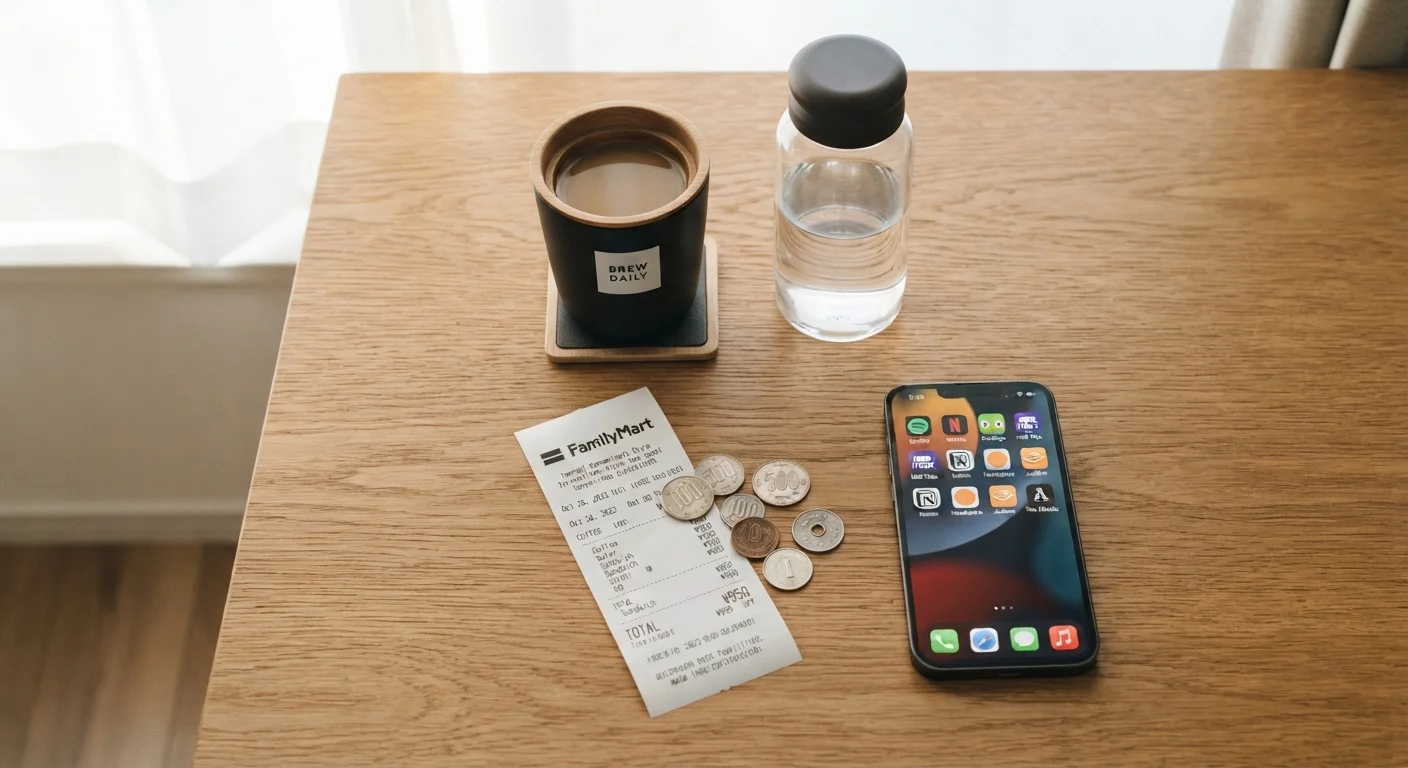
Photo credit: SnippetColumns.com | Easy Search, Reliable Information
In this article
A curated look at routine micro-purchases—from bottled water to convenience fees—and the cumulative impact they have on monthly spending.
Key Takeaways
- Routine micro-purchases — under $5 each — can collectively cost hundreds of dollars per month.
- Convenience fees, streaming subscriptions, and bottled water are among the most overlooked daily drains.
- Awareness of spending patterns is the first step; tracking even one week of purchases often surprises people.
- Small adjustments to daily habits can free up meaningful money without requiring major lifestyle changes.
- Many of these expenses are easy to miss because they feel too small to count — that's exactly why they add up.
The Costs You Don't See Coming
Most budget breakdowns focus on the big, obvious categories: rent, car payments, groceries. But it's the purchases you barely register — the ones that happen on autopilot — that quietly erode a budget month after month. A $3 charge here, a $1.99 fee there, a subscription you forgot you had. None of it feels significant alone.
That's the problem. Small daily expenses exploit a quirk in how people tend to evaluate money: we weigh individual transactions rather than their cumulative total. A $4 coffee doesn't feel like a budget issue. Thirty of them in a month adds up to $120 — and that's before you account for anything else.
The goal here isn't to shame anyone out of a morning coffee or a convenience splurge. It's to make the invisible visible. Once you can see where the money goes, you can decide intentionally what's worth keeping. For a broader look at how intentional spending differs from autopilot habits works in practice, that contrast is worth understanding before you start cutting.
Bottled water and single-serve drinks
Grabbing a bottle of water at a gas station or convenience store typically costs $1.50 to $3.00. Do that five days a week and you're spending $30 to $60 per month on something that costs fractions of a cent from the tap. A reusable bottle with a filter attachment is a one-time cost that pays for itself within weeks.
Bottled water bought on the go can quietly cost $30 to $60 per month.
Convenience and service fees
Ordering food through a delivery app, paying a bill online with a card, or buying event tickets through a third-party platform — all of these routinely add 5% to 15% in fees on top of the base price. These charges are easy to click past, but they compound. Someone who uses delivery apps three times a week could be paying $40 to $80 extra per month purely in service and delivery fees, depending on the platform and order size.
Delivery and service fees alone can add $40–$80 per month for regular app users.
Forgotten or underused subscriptions
The average American household carries more streaming, app, and membership subscriptions than they can easily name. A gym membership used twice in three months, a news site paywall, a music service duplicated across two family members' accounts — these monthly charges tend to persist because canceling requires active effort. Auditing subscriptions once a quarter is one of the highest-return tasks in personal finance.
Most households carry at least one subscription they've forgotten or stopped using.
Workplace and commute snacks
Vending machine snacks, gas station coffee, or a quick pastry grabbed during a commute each seem minor. But a $2.50 snack and a $3 coffee five days a week totals $27.50 — over $110 a month. Buying the same items in bulk and bringing them from home typically cuts that figure by 60% to 75% without eliminating the habit. The factors that inflate your grocery bill are worth reviewing alongside this, since buying smarter at the store directly offsets convenience spending.
Daily commute snacks and drinks can cost over $110 per month when bought on the go.
ATM and banking fees
Using an out-of-network ATM typically triggers two fees: one from your bank and one from the ATM operator. Combined, these can run $4 to $6 per transaction. If that happens two or three times a week, the monthly total approaches $30 to $70. Many checking accounts reimburse ATM fees or offer wide fee-free networks — worth checking if your current account doesn't.
Out-of-network ATM fees of $4–$6 per transaction can cost up to $70 a month.
Impulse add-ons at checkout
Whether it's rounding up a tip on a counter service that doesn't traditionally involve tipping, adding an item to qualify for free shipping, or tossing in a small purchase while waiting in line, checkout add-ons are specifically designed to lower resistance to small spending. These aren't individually significant — but they're habitual for many people, and the real cost of a purchase rarely ends at the moment of checkout.
Checkout impulse buys are designed to feel insignificant — their cumulative cost is not.
Turning Awareness Into Action
Recognizing these patterns is genuinely half the work. Once you've tracked even a single week of small purchases, the patterns tend to become obvious — and fixable. You don't need to eliminate every convenience; you need to decide which ones you're actively choosing versus which ones are just happening to you.
Try a One-Week Spending Log
You don't need a budgeting app to start. For one week, write down every purchase under $10 — including digital transactions and fees. Most people find at least two or three categories they didn't realize were adding up. From there, decisions become straightforward: keep what you value, cut what you don't.
If you want to channel those recovered dollars somewhere productive, automating your savings makes it easy to redirect small amounts before you have a chance to spend them. And if you suspect there are other blind spots in your budget beyond daily purchases, spending categories most budgets overlook is a useful next read.
This article is for general informational purposes only and does not constitute personalized financial advice. Consider consulting a qualified financial professional for guidance specific to your situation.

Author
Money & Finance Editorial Team
Money & Finance Editorial Team is the collective byline for our editorial team and contributor network. Articles published under this byline or an editorial pen name are researched, written, and reviewed according to our editorial standards for clarity, consistency, and independence before publication.
View all articles →