
Packing Lunch vs. Buying It: What the Real Cost Difference Looks Like Over Time
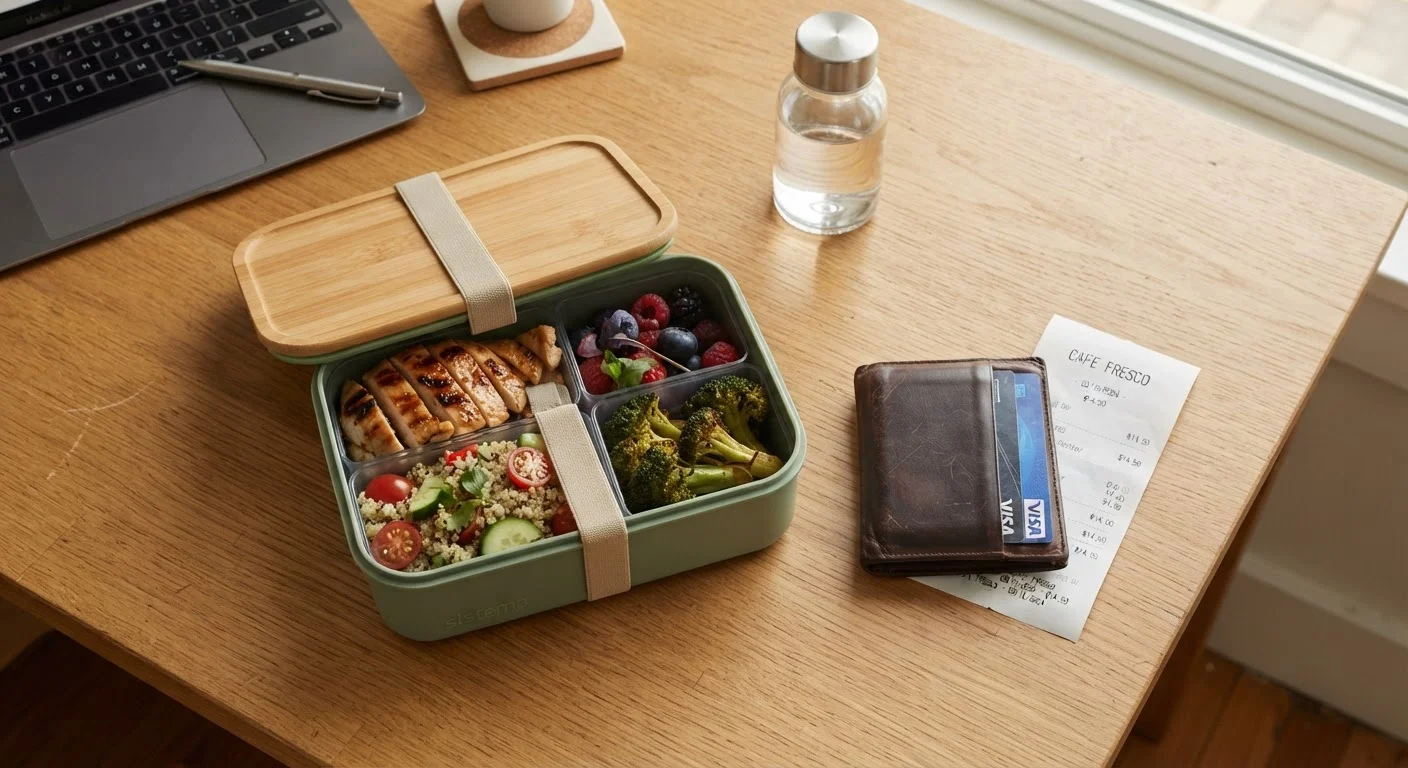
Photo credit: SnippetColumns.com | Easy Search, Reliable Information
In this article
A grounded comparison of the true costs—financial and practical—of bringing lunch from home versus buying it during the workday.
Key Takeaways
- Buying lunch daily can cost $8–$15 per meal on average, while a packed lunch often runs $2–$5.
- Over a full work year, the gap between the two approaches can reach $1,500 or more.
- Packing lunch involves real time costs that should be weighed honestly against the savings.
- Meal prepping in batches and buying strategically can reduce the effort of packing significantly.
- Neither approach is universally right — the best choice depends on your schedule, priorities, and habits.
The Numbers Behind the Habit
Most people underestimate how much they spend on bought lunches — not because they're careless, but because each transaction feels small in isolation. A $12 sandwich, a $3 drink, and a $2 tip adds up to $17 before you've left the counter. At five days a week across 50 working weeks, that's $4,250 a year on lunch alone.
A packed lunch, by contrast, typically costs $2–$5 depending on what's inside. Using a $4 average and the same schedule, you'd spend roughly $1,000 annually. That's a potential difference of more than $3,000 — though the real gap varies based on where you live, where you eat, and how you shop.
This is the kind of routine spending pattern that rarely feels consequential day-to-day but carries real weight over time. The math isn't meant to shame anyone — it's meant to make the tradeoff visible.
| Criterion | Packing Lunch | Buying Lunch |
|---|---|---|
| Average daily cost | $2–$5 | $10–$17 |
| Estimated annual spend (50 weeks) | ~$750–$1,250 | ~$2,500–$4,250 |
| Prep time required | 10–30 min (reducible with batch prep) | Minimal |
| Nutritional control | High | Varies widely |
| Flexibility / variety | Moderate | High |
| Risk of food waste | Present if groceries go unused | Low |
| Hidden costs | Time, storage containers | Tips, fees, impulse add-ons |
What the Sticker Price Leaves Out
Cost comparisons that stop at price-per-meal miss a few important variables. Packing lunch requires time — planning, shopping, preparing, and cleaning up. If you spend 20 minutes each morning on lunch prep and value your time at even a modest hourly rate, that adds up. Batch cooking on weekends or prepping ingredients for multiple days at once is the most common way to bring that time cost down sharply.
Buying lunch has its own hidden costs beyond the menu price: tipping culture in many cities, delivery fees if you're ordering in, and the tendency to add items at the point of sale. Understanding what a purchase actually costs beyond its listed price is a useful frame for both sides of this equation.
There's also the question of food waste. Buying groceries for packed lunches only saves money if those groceries get used. Buying in larger quantities can lower per-unit cost, but it's worth reading about the trade-offs of buying in bulk before committing to a warehouse-style approach.
$3,000+
Potential annual savings from packing vs. buying
Based on a comparison of average packed lunch costs (~$4/day) versus purchased lunch costs (~$15/day) over a 50-week work year.
30–40%
Share of food spending many households allocate to eating out
U.S. Bureau of Labor Statistics Consumer Expenditure data consistently shows a significant portion of food budgets going toward food away from home.
3 days
Minimum weekly pack frequency for meaningful annual savings
Packing lunch just three days per week instead of five can still yield $800–$1,500 in annual savings depending on local food costs.
Building a Habit That Actually Sticks
The reason many people cycle in and out of packing lunch isn't a lack of willpower — it's that the habit isn't designed well. A few practical adjustments make a significant difference:
- Prep in batches. Making one large pot of grains, roasting a sheet of vegetables, or portioning out proteins on Sunday reduces daily effort to assembly, not cooking.
- Set a weekly grocery budget for lunches specifically. Treating lunch ingredients as a discrete line item helps you shop with purpose rather than buying miscellaneous items that don't get used.
- Don't aim for perfection. Packing lunch three days a week instead of five still produces meaningful savings and is far more sustainable for most schedules.
If you're looking to strengthen the nutritional side of home-prepared meals, eating well on a budget doesn't require specialty ingredients — it mostly requires planning.
On the other side, if buying lunch is your reality, making it a deliberate choice rather than a default is what separates mindful spending from autopilot spending. Setting a daily ceiling, choosing simpler options, and skipping add-ons are all practical ways to buy lunch without letting costs drift.
This article is for general informational purposes only and does not constitute personalized financial advice. For guidance tailored to your specific financial situation, consult a qualified financial professional.

Author
Money & Finance Editorial Team
Money & Finance Editorial Team is the collective byline for our editorial team and contributor network. Articles published under this byline or an editorial pen name are researched, written, and reviewed according to our editorial standards for clarity, consistency, and independence before publication.
View all articles →