
The Trade-Offs of Buying in Bulk
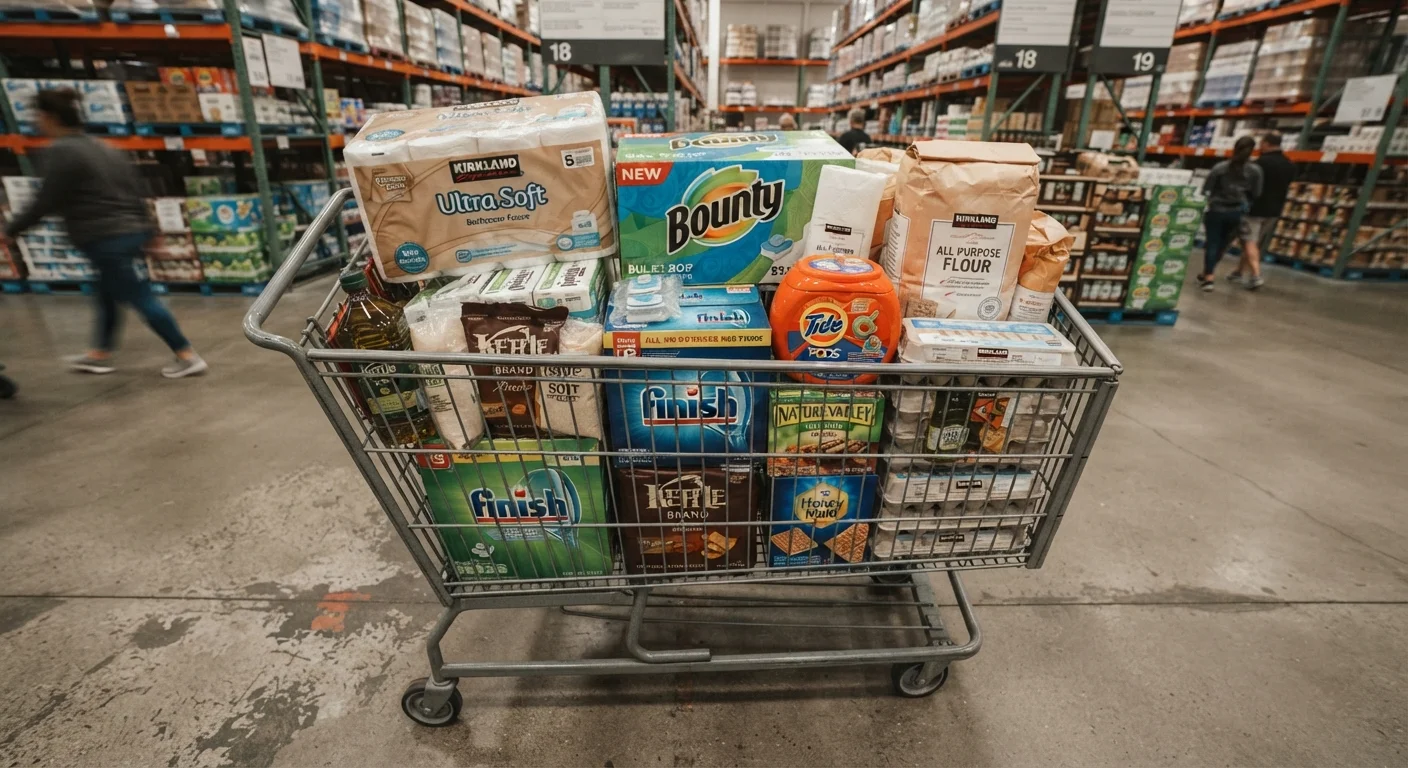
Photo credit: SnippetColumns.com | Easy Search, Reliable Information
In this article
Bulk purchasing can lower per-unit costs, but it also introduces real downsides. Here's a balanced look at when it makes sense.
Key Takeaways
- Bulk buying lowers per-unit cost but requires more upfront cash and storage space.
- Non-perishables and frequently used items are generally the best candidates for bulk purchases.
- Perishables bought in excess often spoil before use, eliminating any savings.
- Warehouse club memberships add a fixed annual cost that must be factored into the math.
- Bulk buying can encourage overconsumption and disrupt household budgeting routines.
Lower cost per unit on frequently used items
When you consistently use a product, buying larger quantities reduces the effective price per use. This is most reliable with non-perishables that have a long shelf life.
Fewer shopping trips saves time and incidental spending
Stocking up reduces the frequency of store visits, which also limits exposure to impulse purchases — a meaningful secondary benefit for budget-conscious shoppers.
Protection against price increases over time
Locking in current prices on staples can be a modest hedge when those items tend to increase in cost incrementally over months or years.
Reduces the risk of running out of essentials
Households with a buffer supply of key items avoid last-minute purchases at higher-priced convenience stores, which often carry significant markups.
High upfront cost strains cash flow
Bulk purchases require more money spent at once. For households managing tight monthly budgets, this can create short-term cash flow pressure even if the long-term math is favorable.
Perishable items frequently spoil before use
Buying a large quantity of fresh food or short-shelf-life items often results in waste that eliminates any price-per-unit advantage — sometimes resulting in a net loss.
Requires significant storage space
Bulk quantities of household goods demand physical space. Smaller homes or apartments may not have adequate room, making this strategy impractical regardless of the price.
Annual membership fees reduce net savings
Warehouse club memberships typically run between $50 and $130 per year. Infrequent shoppers may find that this fixed cost offsets the per-unit savings they achieve.
Encourages overconsumption of available products
Research in consumer behavior consistently shows that people tend to use more of a product when larger quantities are on hand, which can undermine the economic benefit of buying in bulk.
What Bulk Buying Actually Means for Your Budget
Buying in bulk — whether at a warehouse club, online retailer, or grocery store — typically reduces the cost per unit of a product. That gap between per-unit prices can look significant on paper. But whether it translates to real savings depends on several factors that go beyond the price tag.
The core trade-off is straightforward: you pay more now to theoretically spend less over time. That works only if you use the product fully before it expires, has space to be stored properly, and doesn't quietly shift your spending behavior in ways that cost more elsewhere. This article is general financial information — not personalized advice. For guidance specific to your situation, consult a qualified financial professional.
Lower cost per unit on frequently used items
When you consistently use a product, buying larger quantities reduces the effective price per use. This is most reliable with non-perishables that have a long shelf life.
Fewer shopping trips saves time and incidental spending
Stocking up reduces the frequency of store visits, which also limits exposure to impulse purchases — a meaningful secondary benefit for budget-conscious shoppers.
Protection against price increases over time
Locking in current prices on staples can be a modest hedge when those items tend to increase in cost incrementally over months or years.
Reduces the risk of running out of essentials
Households with a buffer supply of key items avoid last-minute purchases at higher-priced convenience stores, which often carry significant markups.
Where Bulk Buying Tends to Backfire
The appeal of a lower per-unit price is real, but bulk purchasing introduces a set of costs that aren't reflected on the shelf label. Understanding them helps you evaluate any given purchase more honestly.
High upfront cost strains cash flow
Bulk purchases require more money spent at once. For households managing tight monthly budgets, this can create short-term cash flow pressure even if the long-term math is favorable.
Perishable items frequently spoil before use
Buying a large quantity of fresh food or short-shelf-life items often results in waste that eliminates any price-per-unit advantage — sometimes resulting in a net loss.
Requires significant storage space
Bulk quantities of household goods demand physical space. Smaller homes or apartments may not have adequate room, making this strategy impractical regardless of the price.
Annual membership fees reduce net savings
Warehouse club memberships typically run between $50 and $130 per year. Infrequent shoppers may find that this fixed cost offsets the per-unit savings they achieve.
Encourages overconsumption of available products
Research in consumer behavior consistently shows that people tend to use more of a product when larger quantities are on hand, which can undermine the economic benefit of buying in bulk.
~30%
Average US household food waste by weight
The USDA estimates that American households waste roughly 30% of the food they purchase, a figure that can climb higher when bulk perishables are involved.
$50–$130
Typical annual warehouse club membership fee
Major warehouse clubs in the US charge annual membership fees in this range, which must be offset by actual per-unit savings to justify the cost.
Beyond spoilage and storage, there's a subtler risk: bulk quantities can distort consumption habits. When a product is abundant at home, people tend to use more of it per use — a well-documented pattern in behavioral economics research. That erodes the per-unit savings without the buyer realizing it. For a broader look at how shopping decisions carry hidden complexity, see when comparison shopping helps and when it backfires.
The Items Worth Buying in Bulk — and the Ones That Aren't
Not every product category responds the same way to bulk purchasing. Applying some basic criteria makes the decision much cleaner.
Generally a solid fit for bulk buying:
- Non-perishable household staples: paper goods, cleaning supplies, laundry detergent
- Shelf-stable foods with long expiration windows: canned goods, dried pasta, rice
- Personal care items with consistent, predictable use patterns
Proceed with caution:
- Perishable foods — especially produce, dairy, and bread — where spoilage risk is high
- Products with short or uncertain shelf lives, including some supplements or medications
- Items tied to changing preferences, such as flavored foods or trend-sensitive products
- Anything you haven't used before, since bulk quantities of an unfamiliar product can be a costly experiment
Bulk buying fits naturally into a broader habit of building smarter spending habits — but it's one tool, not a complete strategy.
Try Before You Buy in Bulk
If you're considering a bulk purchase of something you haven't used regularly, buy a single unit first. Preferences change, products vary, and committing to a 36-count of something you end up disliking is a common and avoidable mistake. This is especially relevant for food items, cleaning formulas, and personal care products.
Doing the Math Before You Commit
Before loading up the cart, a few quick calculations can separate genuine savings from the illusion of them.
Factor in membership costs. Warehouse clubs charge annual fees. If you shop infrequently or in small volumes, those fees can offset per-unit savings entirely. Divide the annual fee by your expected number of trips to see what you're really paying per visit.
Account for storage requirements. If bulk buying a product means renting a storage unit, buying additional shelving, or running a secondary freezer, those costs belong in the math. A dedicated chest freezer, for example, adds ongoing electricity costs beyond the purchase price.
Compare expiration dates against realistic consumption. A 48-count jar of something used once a week is manageable. The same jar used once a month becomes a spoilage risk. Being honest about usage frequency — not optimistic — is the most important variable.
These same critical habits apply broadly to everyday financial decisions. The real cost difference in everyday spending choices often comes down to similar calculations: upfront convenience versus total value over time.
This article is for general informational purposes only and does not constitute financial advice. Consult a qualified financial professional for guidance tailored to your circumstances.

Author
Money & Finance Editorial Team
Money & Finance Editorial Team is the collective byline for our editorial team and contributor network. Articles published under this byline or an editorial pen name are researched, written, and reviewed according to our editorial standards for clarity, consistency, and independence before publication.
View all articles →