
Foundational Pieces That Outlast Every Trend
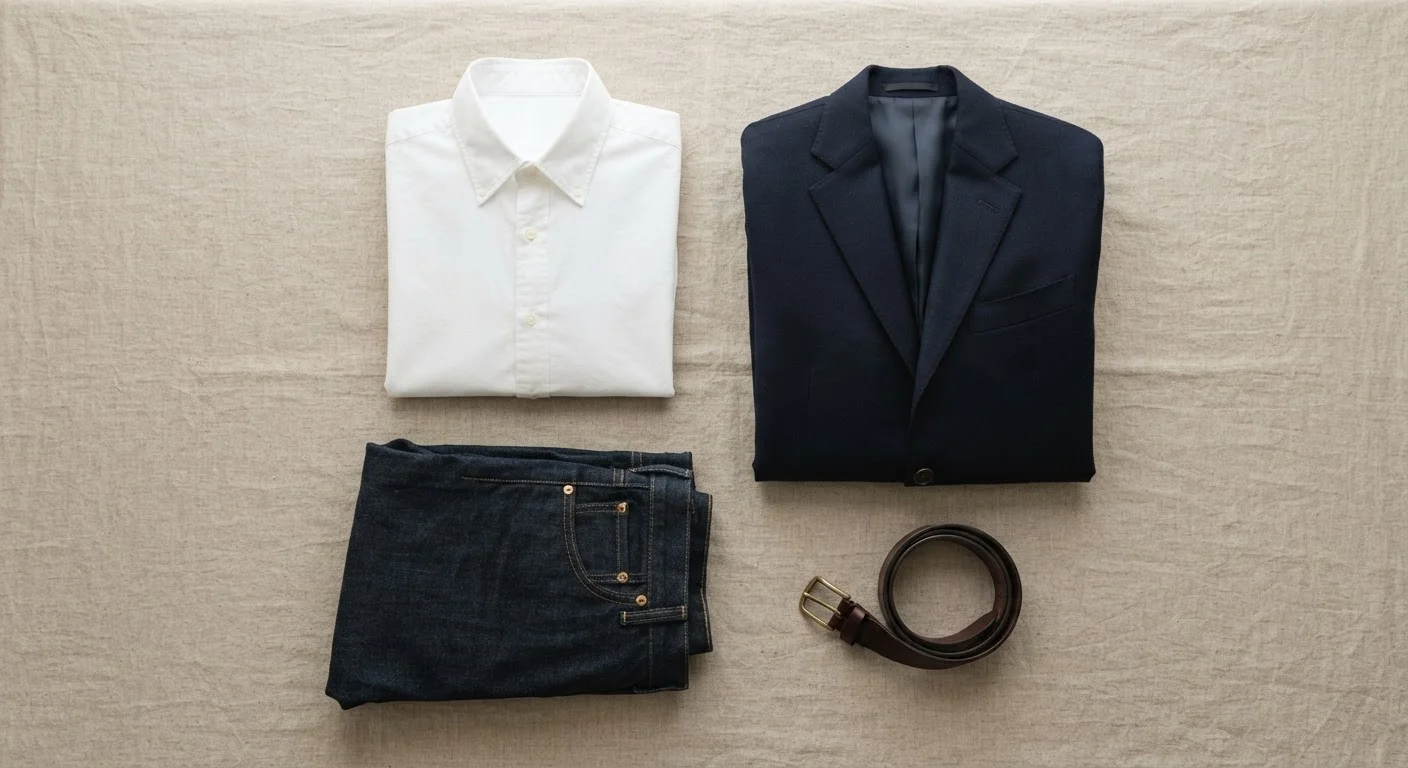
Photo credit: SnippetColumns.com | Easy Search, Reliable Information
In this article
Some items earn their place regardless of what's on runways. This curated list covers the wardrobe staples worth investing real thought — and care — into.
Key Takeaways
- Foundational wardrobe pieces hold their value season after season, unlike trend-driven items.
- Fabric quality and construction are stronger indicators of longevity than brand name or price alone.
- A smaller, more intentional wardrobe reduces decision fatigue and stretches your clothing budget further.
- Proper care — washing, storage, and maintenance — significantly extends the life of any garment.
- Versatility, not novelty, is the benchmark for whether a piece earns a permanent place in your closet.
Why Foundational Pieces Matter More Than Trends
Every few months, a new color, silhouette, or fabric gets declared essential. Most of those declarations age poorly. What doesn't age poorly is a closet built around a core set of pieces that earn their keep day after day — across seasons, occasions, and decades.
The concept isn't about being boring or refusing to express personality. It's about being strategic. When your wardrobe has a reliable foundation, you spend less money chasing replacements and more time actually getting dressed without stress. The everyday uniform approach works precisely because a strong foundation makes repeated combinations feel intentional rather than repetitive.
The items below aren't ranked by brand or price point — they're defined by the qualities that make something genuinely foundational: versatility, durability, and the ability to work across multiple contexts without effort. Think of this as a framework, not a shopping list. How you fill each category depends on your lifestyle, body, and budget.
Start With Fit, Not Fabric
Even the finest cashmere looks wrong on the wrong fit. Before evaluating material or construction, prioritize how a piece fits your body as it is right now. A modest garment that fits well will always outperform an expensive one that doesn't. Budget a small amount for alterations — a tailor can transform an almost-right piece into a genuinely great one.
The Pieces Worth Building Around
A Well-Fitted White or Light Blue Dress Shirt
No single piece crosses more contexts than a well-fitted dress shirt in white or pale blue. It works under a blazer for professional settings, tucked into dark trousers for dinner, or worn open over a simple tee for casual occasions. The key word is fitted — a shirt that fits your shoulders, chest, and torso correctly reads as intentional regardless of what else you're wearing.
When evaluating quality, look at the collar construction (it should hold its shape), the stitching density along seams, and the weight of the fabric. A heavier cotton weave — poplin or twill — tends to drape better and resist wrinkling more effectively than ultra-thin alternatives.
A properly fitted dress shirt crosses more contexts than almost any other single garment.
Dark, Straight-Cut Denim
Dark-wash denim in a straight or slim-straight cut sits in a rare category: casual enough for weekends, polished enough to dress up. It pairs with nearly everything in a foundational wardrobe — leather shoes, clean sneakers, tucked shirts, or crewneck sweaters — without requiring effort to make the combination work.
Fit, again, is the critical variable. The rise, thigh, and leg opening should feel comfortable without excess fabric bunching at the knee or ankle. A mid-rise cut tends to be the most universally flattering and versatile across body types.
Dark denim's strength is its range — it can meet a blazer or a flannel shirt with equal ease.
A Neutral, Unstructured Blazer
Structured suits have their place, but an unstructured blazer in navy, charcoal, or camel is more adaptable for everyday life. It adds a layer of polish to jeans and a shirt without feeling formal, and it can be thrown over almost any outfit to elevate it quickly. Linen versions work in warmer months; wool or cotton-blend options carry through fall and winter.
Look for a blazer where the shoulder seam lands exactly where your shoulder ends. This is the single most important fit detail — everything else can be adjusted by a tailor, but a shoulder seam that's too wide or too narrow undermines the whole garment.
An unstructured blazer is one of the fastest ways to make any outfit look more considered.
A Crewneck or V-Neck Sweater in a Neutral Tone
A well-made sweater in navy, grey, camel, or off-white functions as both a layering piece and a standalone top. Merino wool is widely regarded for balancing warmth, breathability, and softness without the bulk of heavier knits. Cotton blends work well for transitional weather. Cashmere, while more expensive, tends to hold its shape and softness over time when cared for properly.
Avoid chunky logos or graphic elements if longevity is the goal. A clean silhouette in a neutral color will coordinate with more items and look appropriate across more occasions than anything with prominent branding.
Merino wool in a neutral tone outlasts trend cycles and works across more occasions than almost anything else.
A Leather or Quality Leather-Alternate Belt
Belts are easy to underestimate until you notice them. A cheap or worn belt draws the eye in the wrong direction; a well-made one quietly holds an outfit together. A classic width (around 1.25 to 1.5 inches) in black or tan works across both casual and professional settings. The buckle should be simple — a basic frame or box style ages far better than ornate hardware.
For those avoiding animal products, higher-quality synthetic and plant-based leather alternatives have improved significantly in durability and appearance. The same principles apply: look for clean edges, consistent stitching, and hardware that doesn't loosen with wear.
A quality belt is the finishing detail that separates a put-together outfit from an afterthought.
A Versatile Flat Shoe in a Neutral Color
Whether it's a white leather sneaker, a leather loafer, or a clean oxford, a flat shoe in a neutral — white, tan, brown, or black — anchors a wardrobe's bottom half without restricting what it can pair with. The goal is a shoe clean enough to dress up and casual enough to dress down without looking forced in either direction.
Construction quality matters more than most people realize. Look for full-grain leather uppers (if budget allows), solid rubber outsoles, and stitched — rather than glued — construction. A shoe that can be resoled or repaired easily will outlast several pairs of cheaper alternatives.
A single well-made neutral shoe can serve more of your wardrobe than three cheaper, trend-specific options.
Foundational Doesn't Mean Identical for Everyone
What counts as a foundational piece varies by lifestyle, climate, and personal context. Someone in a warm climate may have little use for a wool sweater; someone who works in a physical trade may prioritize durable work pants over a dress shirt. Use this list as a framework and adapt it to what your actual life demands. The underlying principle — invest in versatile, well-made items that work across multiple contexts — applies regardless of specific category.
Making the Foundation Work Long-Term
Buying foundational pieces is only half the equation. Keeping them in good condition is where most people fall short. Overwashing, high-heat drying, and poor storage quietly degrade even excellent garments. A well-made Oxford shirt or wool sweater can last many years with basic care — or look worn out within a season without it. The right care habits aren't complicated, but they make a measurable difference.
It's also worth revisiting your wardrobe periodically to check whether what you own is actually serving you. A piece that sounded foundational in theory but rarely gets worn isn't foundational in practice. If you're building or rebuilding your wardrobe and want a broader strategy for doing it on a realistic budget, the budget-conscious wardrobe approaches covered in our fashion guides lay out practical paths without requiring sacrifice. And for a more complete picture of how all these pieces fit together — including layering strategies — the versatile wardrobe guide offers end-to-end guidance worth reading alongside this list.
Investing real thought into what belongs in your closet is itself a form of smarter spending — one that pays returns every morning you get dressed without hesitation.

Author
Style & Beauty Editorial Team
Style & Beauty Editorial Team is the collective byline for our editorial team and contributor network. Articles published under this byline or an editorial pen name are researched, written, and reviewed according to our editorial standards for clarity, consistency, and independence before publication.
View all articles →