
The Versatile Wardrobe: Everything You Need to Know About Building One
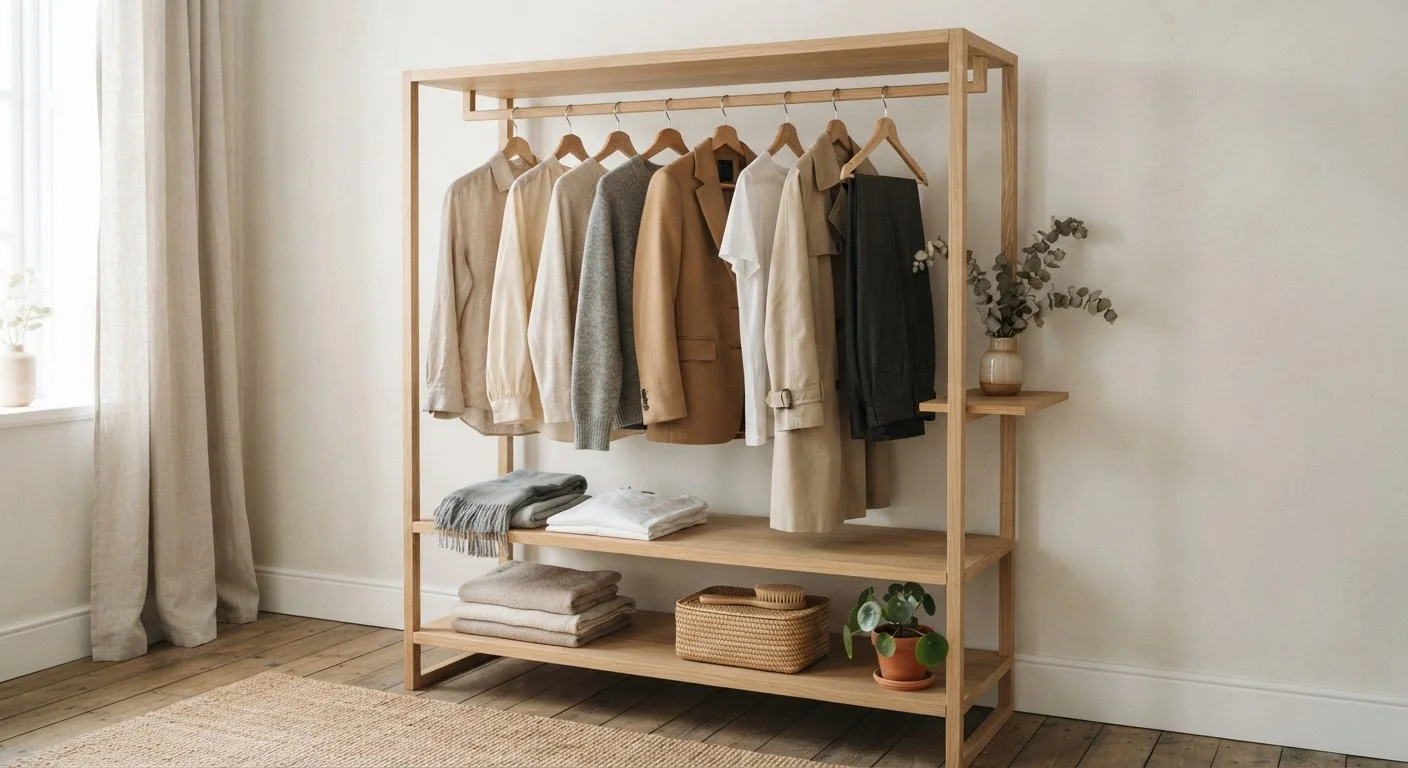
Photo credit: SnippetColumns.com | Easy Search, Reliable Information
In this article
From foundational pieces to layering strategies, this end-to-end guide covers how to build a wardrobe that works harder with fewer items.
Key Takeaways
- Versatility comes from how pieces interact, not how many you own.
- A wardrobe audit is the necessary first step before buying anything new.
- Foundational pieces in consistent colors form the backbone of any functional closet.
- Layering extends the reach of individual items across seasons and occasions.
- Spending more on fewer, well-chosen pieces typically delivers better long-term value.
- Your wardrobe should reflect your actual life, not an idealized version of it.
What 'Versatile' Actually Means in Wardrobe Terms
A versatile wardrobe isn't simply a large one. It's a wardrobe where each item can pull weight across multiple contexts — different occasions, different seasons, different pairings. The goal is maximum utility from minimum clutter.
Versatility is measured in combinations, not quantity. A single well-fitted pair of trousers that pairs with five different tops is more versatile than five trendy items that each work with only one look. This distinction matters because it shifts how you evaluate every purchase: not "Do I love this?" but "How many ways can I wear this?"
This approach also diverges from the capsule wardrobe model in an important way. While building a capsule wardrobe focuses on a strict item count, a versatile wardrobe is defined by function over formula. The size is secondary; the interconnection is everything.
Start With a Wardrobe Audit
Before buying a single new item, you need an honest picture of what you already own. A wardrobe audit — pulling everything out, evaluating each piece, and removing what no longer serves you — sounds simple but consistently reveals two things: duplicates you didn't realize you had, and genuine gaps you've been ignoring.
Use a structured wardrobe audit checklist to guide this process. For each item, ask whether it fits well today (not ten pounds from now), whether you've worn it in the past year, and whether it actually suits your current lifestyle. Clothes kept for a theoretical future — an event that never comes, a job you no longer have — quietly drain closet space and decision energy.
Edit First, Shop Second
Resist the urge to shop while auditing — even if you spot obvious gaps. Complete the full edit first so you see the whole picture before making any decisions. Gaps look different once the clutter is gone.
What remains after the edit becomes your baseline. From here, shopping becomes targeted rather than reactive.
The Foundational Pieces Worth Prioritizing
Every functional wardrobe rests on a core of foundational pieces — items whose value lies in their adaptability rather than their novelty. These are the pieces that outlast every trend because they weren't chosen for a trend in the first place.
Common examples across most lifestyles include:
- Well-fitted dark or mid-wash denim in a straight or slim cut
- Neutral crewneck or V-neck knits in mid-weight fabrics
- A structured blazer or tailored jacket in a versatile color
- Crisp button-front shirts in white, light blue, or chambray
- A go-anywhere dress or trouser in a solid, non-seasonal color
- Clean leather or leather-look footwear that bridges casual and semi-formal
These items share a common trait: they cooperate. They're chosen specifically because they don't compete with each other.
When evaluating a potential foundational purchase, hold it against three items already in your wardrobe before buying. If it doesn't immediately combine with at least two of them, it's not actually a foundation piece for your specific closet.
Versatility is relational — a piece's value depends entirely on what it's surrounded by. Testing combinations before purchase prevents the common outcome of buying 'basics' that don't actually connect to anything you own.
Prioritize fit above all else, even for casual pieces. An ill-fitting item in a perfect color will underperform a well-fitted item in a serviceable one every single time.
Fit is the single variable with the highest impact on how polished and intentional any outfit looks, regardless of the price or quality of the garment itself. Tailoring a few key pieces is often a more effective use of budget than buying additional items.
Color Strategy: Neutrals, Accents, and Balance
Color is where most wardrobes either gain or lose flexibility. A closet built almost entirely on one neutral palette (say, black and grey) can feel flat and limiting. But a wardrobe with too many bold colors and prints creates a different problem: very little actually combines.
A workable approach for most people: anchor the wardrobe in two or three neutrals that genuinely work together — navy, camel, and white, for example — then allow a small number of intentional color or pattern pieces that connect back to that palette. This is explored in depth in our guide on neutrals vs. color balance.
80%
Clothes worn only 20% of the time
The widely observed 80/20 pattern in wardrobe use suggests most people regularly wear a small fraction of what they own, underlining the value of a curated, functional closet.
Cost-per-wear
More useful than sticker price
Dividing an item's purchase price by the number of times you'll realistically wear it gives a clearer picture of value than the upfront cost alone — a principle commonly used by professional stylists.
The practical test: before adding any new color to your wardrobe, identify at least three existing pieces it would work with. If you can't name them, it's likely to become an outlier that rarely gets worn.
Layering as a Versatility Multiplier
Layering is one of the most underused tools in everyday dressing. Done well, it allows a single base item to function across a much wider temperature range and occasion spectrum than it could alone.
The underlying principle is straightforward: thinner foundational layers in versatile colors can be combined and recombined with outerwear, cardigans, and structured pieces to create distinct looks without needing more clothes. A cotton turtleneck worn alone in early fall becomes a base layer under a blazer in winter and under an overcoat when temperatures drop further.
“Getting dressed should be the easiest part of your morning. When your wardrobe is built around how pieces work together rather than how each piece looks in isolation, that becomes possible.”
— Style & Beauty Editorial Team, Lifestyle and fashion editorial
Consider dressing for proportion and fit when building layered looks — volume, length, and silhouette all interact differently when pieces are worn on top of one another.
Building Smarter Without Overspending
A versatile wardrobe does not require a large clothing budget — but it does require a more intentional one. The shift is from impulse-based spending to gap-based spending: you buy what's actually missing, not what's currently on sale or catching your eye.
For practical guidance on stretching clothing dollars without compromising quality, our wardrobe on a budget guide covers the specifics. The broader principle: allocate more budget to the pieces you wear most often, and less to statement items you'll wear occasionally. Cost-per-wear — dividing the price of an item by the number of times you'll realistically wear it — is a more useful measure than sticker price alone.
Developing smarter spending habits around clothing also means setting a realistic annual clothing budget before you shop, not after. This keeps individual purchases in context and reduces the accumulation of items that seemed reasonable at the time but added up to a crowded, non-functional closet. General guidance on budgeting basics can help frame this process if you're starting from scratch.
Buy for Your Life Now, Not Later
One of the most consistent wardrobe mistakes is purchasing items for a lifestyle you aspire to rather than the one you actually live. Clothes that don't fit your real daily context — your actual job, your real social calendar, your genuine comfort preferences — will never earn their place, regardless of quality or price.

Author
Style & Beauty Editorial Team
Style & Beauty Editorial Team is the collective byline for our editorial team and contributor network. Articles published under this byline or an editorial pen name are researched, written, and reviewed according to our editorial standards for clarity, consistency, and independence before publication.
View all articles →