
The 50/30/20 Rule: A Framework, Not a Formula
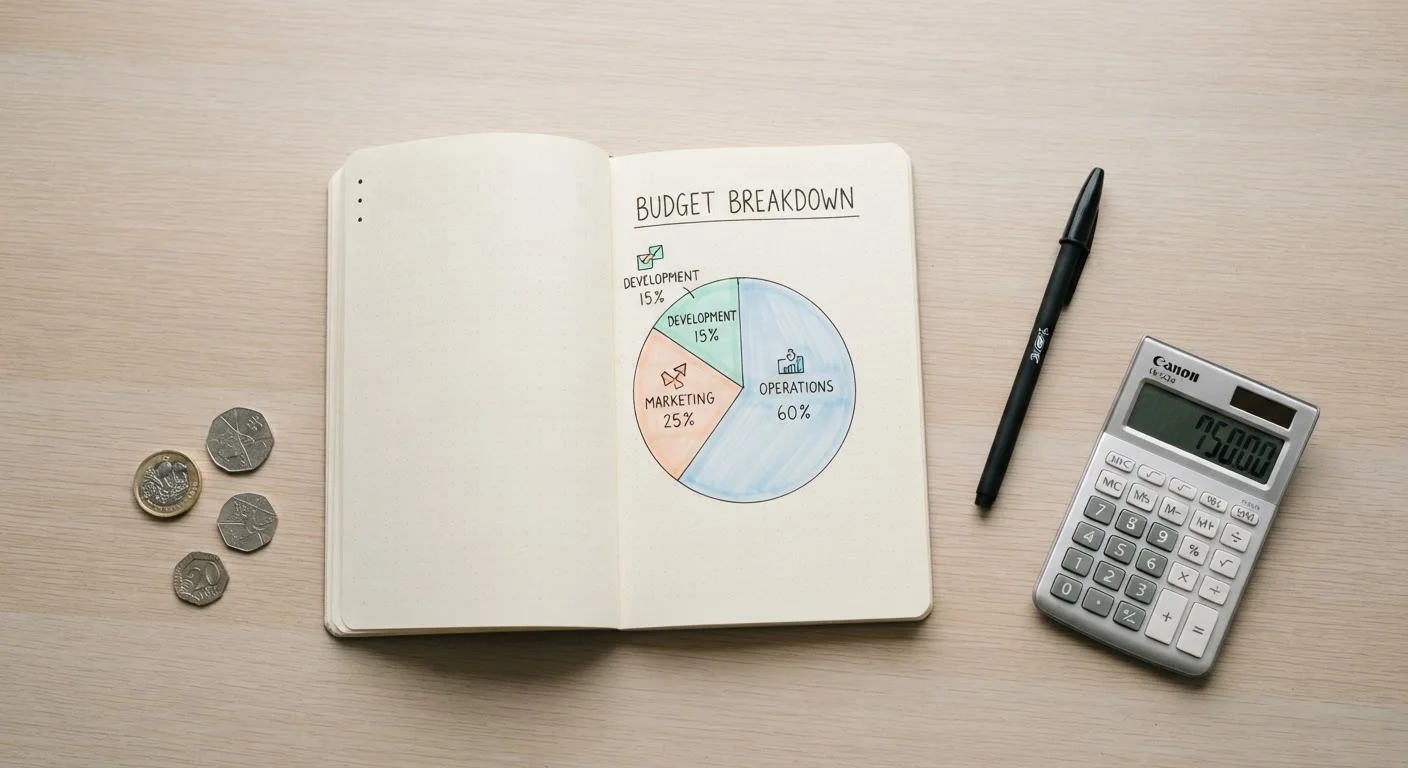
Photo credit: SnippetColumns.com | Easy Search, Reliable Information
In this article
Understand what the 50/30/20 budgeting rule actually means, where it falls short, and how to adapt it to real-life income.
Key Takeaways
- The 50/30/20 rule divides after-tax income into needs, wants, and savings or debt repayment.
- It's a flexible starting point — the percentages are guidelines, not hard rules.
- High housing costs or low incomes can make the 50% needs target unrealistic in many U.S. cities.
- Adapting the ratios to your real situation is more useful than forcing your life to fit the numbers.
- Tracking spending by category is the most valuable habit the rule encourages.
What the Three Buckets Actually Mean
Strip away the percentages for a moment, and the 50/30/20 rule is really just a prompt to sort your spending into three honest piles: the things you must pay, the things you choose to enjoy, and the money you're setting aside for later. That simple act of categorization is where most of the value lives.
Needs (target: ~50%) — These are non-negotiable recurring costs: rent or mortgage, utilities, groceries, health insurance premiums, minimum loan payments, and transportation to work. The word "need" can be slippery — a $200 cable bundle isn't a need, even if it feels like one. When in doubt, ask: would skipping this put my housing, health, or job at risk?
Wants (target: ~30%) — This bucket covers the spending that makes life enjoyable but isn't strictly essential. Dining out, concert tickets, subscriptions, clothing beyond basics, and vacations all land here. The 30% allocation isn't permission to overspend; it's an acknowledgment that sustainable budgets make room for the things people actually value. Categorizing spending into tiers can help clarify what genuinely belongs in this column.
Savings and debt repayment (target: ~20%) — This includes contributions to an emergency fund, retirement accounts like a 401(k) or IRA, and any debt payments above the minimum. Channeling 20% toward this bucket is meaningful — but only if the other two buckets reflect realistic, honest numbers.
~30%
Americans with no emergency savings
A Federal Reserve report on the economic well-being of U.S. households found that a significant share of adults would struggle to cover an unexpected $400 expense without borrowing or selling something.
~50%
Income consumed by housing in high-cost metros
According to Harvard's Joint Center for Housing Studies, cost-burdened renters — those spending more than 30% of income on housing — represent a large and growing share of U.S. households, with many in major cities spending far more.
20%
Recommended savings and debt-repayment share
The 50/30/20 guideline suggests allocating roughly one-fifth of after-tax income to savings and debt reduction, though this target may need adjustment based on individual income and expenses.
Where the Rule Falls Short
The 50/30/20 framework was designed as a general heuristic, and like any heuristic, it starts to strain when applied to specific real-world situations.
High housing costs: In many major U.S. metro areas, rent or mortgage payments alone can consume 40–50% of take-home pay — before groceries, insurance, or utilities are factored in. For these households, hitting a 50% needs ceiling while keeping savings at 20% may be mathematically impossible without a significant income increase or relocation.
Lower incomes: When income is tight, fixed costs like housing and food make up a disproportionately large share of take-home pay. A household earning $35,000 annually faces a very different budgeting reality than one earning $90,000, even if the percentages on paper look the same.
Irregular income: Freelancers, gig workers, and anyone with variable monthly earnings will find percentage-based budgeting harder to apply consistently. In months with lower income, fixed needs can spike well past 50% as a share of what came in.
None of these limitations make the rule useless — they just mean it requires adaptation. Common budgeting myths often include the idea that a framework must be followed exactly to work. It doesn't.
Adjust the Ratios, Not the Habit
If your needs reliably exceed 50% of take-home pay, don't scrap the framework — recalibrate the percentages. Even a 60/20/20 or 65/10/25 split can be a healthy, honest budget if it reflects your actual costs. The most important habit the rule builds is regularly looking at where your money goes. That clarity alone is worth more than any specific percentage.
How to Adapt It to Your Real Life
Think of the 50/30/20 rule as a starting template, not a compliance test. Here's how to make it work for your actual numbers:
- Start by calculating your real after-tax income. Use your actual take-home pay — what hits your bank account each month — not your salary figure.
- Tally your fixed needs honestly. Run the numbers on what you actually spend on housing, insurance, groceries, and minimum debt payments. If that sum is already 60% of take-home pay, you know immediately that the standard split needs adjusting.
- Adjust the ratios, not your expectations. A 60/20/20 or 65/15/20 split may reflect your real constraints more accurately. The goal is awareness and progress — not hitting a particular percentage. Even nudging savings from 5% to 10% is a meaningful step.
- Revisit the categories every few months. Life changes — a raise, a paid-off loan, a new expense — all shift what each bucket should look like. Treat the framework as a living document.
If you're ready to move beyond the framework into an actual written plan, building a spending plan from scratch walks through that process step by step. For broader saving strategies, the Saving & Goals hub offers practical guidance organized by goal type.
This article is for general informational and educational purposes only and does not constitute personalized financial advice. For guidance specific to your situation, consider consulting a licensed financial adviser.
“A budget is telling your money where to go instead of wondering where it went.”
— Dave Ramsey, Personal finance author and radio host
Frequently Asked Questions

Author
Money & Finance Editorial Team
Money & Finance Editorial Team is the collective byline for our editorial team and contributor network. Articles published under this byline or an editorial pen name are researched, written, and reviewed according to our editorial standards for clarity, consistency, and independence before publication.
View all articles →