
The Daily Enrichment Habits That Prevent Boredom in Indoor Cats
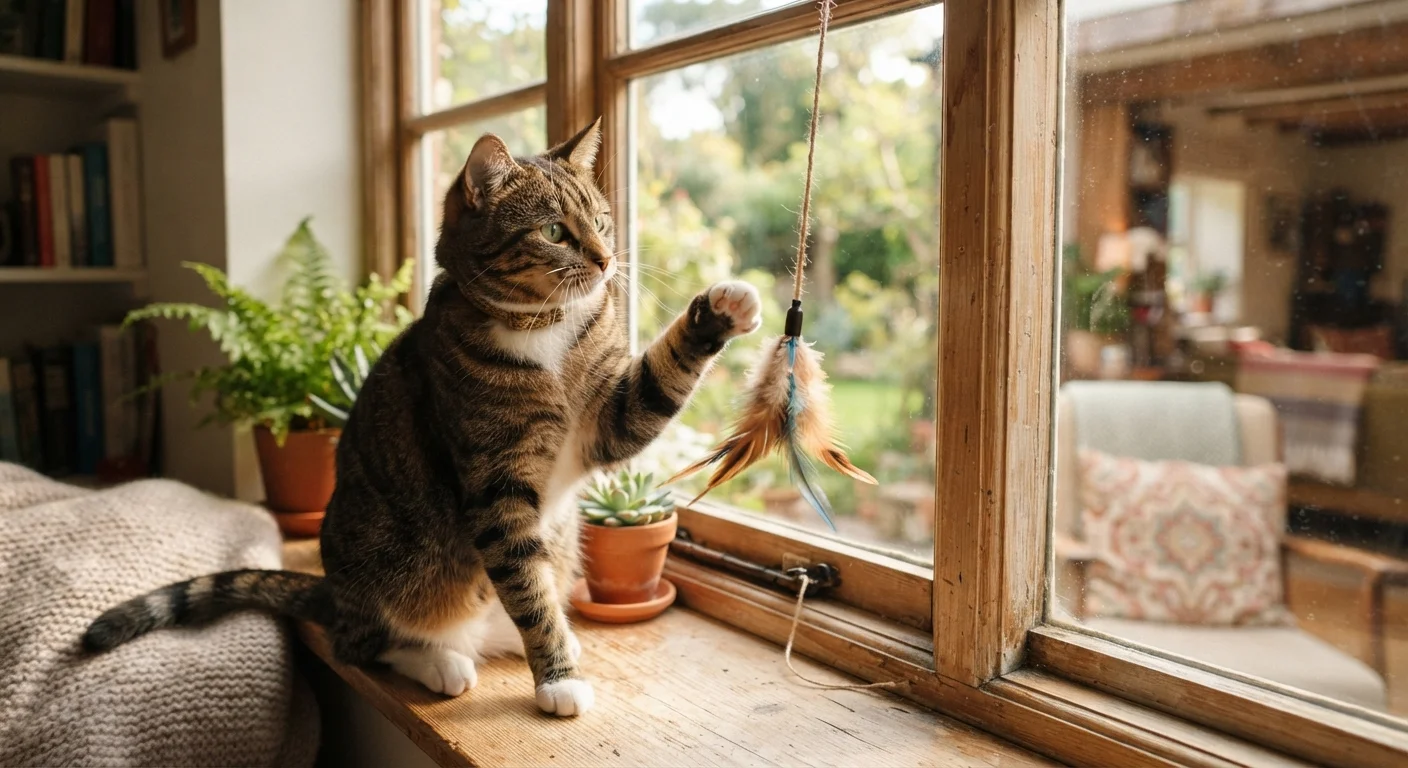
Photo credit: SnippetColumns.com | Easy Search, Reliable Information
In this article
Indoor cats need more than a food bowl. Explore simple daily enrichment activities that support mental stimulation and reduce destructive behavior.
Key Takeaways
- Indoor cats are prone to boredom-driven stress behaviors without consistent daily mental stimulation.
- Short, varied play sessions distributed throughout the day are more effective than a single long one.
- Environmental setup — vertical space, hiding spots, window access — provides passive enrichment around the clock.
- Puzzle feeders and food-based enrichment tap into cats' natural foraging instincts.
- Rotating toys and introducing novel scents prevents habituation and keeps curiosity alive.
- Enrichment supports overall wellness; persistent behavioral changes warrant a veterinary conversation.
Why Boredom Is a Real Health Risk for Indoor Cats
Indoor life offers cats safety from traffic, predators, and infectious disease — but it comes with a trade-off. Without the sensory variety of the outdoors, cats can develop stress-related behaviors such as over-grooming, furniture scratching, compulsive vocalization, or appetite changes. These aren't personality quirks; they're often signals that a cat's environment isn't meeting its cognitive and physical needs.
Cats are obligate hunters by biology. Even well-fed house cats retain strong instincts to stalk, pounce, and investigate — instincts that, left unaddressed, can turn into frustration. The good news is that a structured daily enrichment routine doesn't require expensive equipment or hours of effort. It requires consistency and variety. Our overview of indoor vs. outdoor cat health trade-offs covers the broader lifestyle picture; this guide focuses on practical habits you can build starting today.
Enrichment Needs Vary by Individual Cat
Age, health status, personality, and prior socialization all influence how a cat engages with enrichment. Kittens and younger cats typically need more active stimulation, while senior cats may prefer gentle sensory enrichment and predictable low-effort interaction. Cats with mobility limitations or chronic conditions may need modified approaches — speak with your veterinarian about what's appropriate for your individual animal.
Seven Daily Habits That Keep Indoor Cats Stimulated
Schedule Two or More Short Play Sessions Daily
Aim for two to three play sessions of five to ten minutes each, spaced throughout the day rather than concentrated in a single block. Short, frequent bouts better mirror natural feline hunting rhythms — brief, intense bursts followed by rest. Use a wand toy or fishing-rod-style toy that you control, allowing your cat to stalk, chase, and pounce. Always end sessions with a successful "catch" so your cat experiences a satisfying conclusion to the hunt.
Short, frequent play sessions mirror natural hunting rhythms far better than a single long session.
Introduce Puzzle Feeders for Meals or Treats
Puzzle feeders — containers that require a cat to manipulate, bat, or sniff out food — activate foraging instincts that are otherwise dormant in indoor environments. You can start simply: place dry kibble or treats inside a muffin tin covered loosely with a tennis ball, or roll kibble into a paper bag. Commercially available food puzzles range from beginner to advanced difficulty. Gradually increasing challenge level keeps the activity from becoming routine.
For cats on wet food, consider spreading food across a lick mat or silicone tray with multiple small compartments to slow eating and engage the senses. Check with your veterinarian if you plan to significantly change how or how often your cat is fed.
Puzzle feeders engage foraging instincts that remain strong even in well-fed indoor cats.
Create Vertical Space and Perching Opportunities
Cats feel more secure — and more stimulated — when they can observe their territory from above. Cat trees, wall-mounted shelves, or a stable bookshelf cleared of breakables all give cats high vantage points that reduce anxiety and provide passive environmental enrichment. Position at least one perch near a window with an exterior view, ideally overlooking a bird feeder or garden, to provide a constantly changing "cat TV" that engages visual tracking instincts.
High perches near windows give cats a live, constantly changing visual environment to engage with.
Rotate Toys on a Weekly Cycle
Cats habituate quickly to the same objects. A toy that provokes intense interest on Monday may be completely ignored by Thursday. Counter this by keeping two-thirds of your cat's toys stored away at any given time, rotating them on a weekly basis. When a "new" toy reappears after a week out of sight, it often triggers renewed engagement. You don't need a large toy collection — seven to ten items rotated in small batches is sufficient for most cats.
Rotating toys weekly reintroduces novelty and prevents the boredom that comes from constant familiarity.
Use Scent Enrichment to Stimulate Natural Curiosity
A cat's sense of smell is estimated to be many times more powerful than a human's, making scent one of the most direct pathways to mental stimulation. Safe options include dried catnip or silvervine (individual responses vary), valerian root sachets, or simply offering new objects with outdoor smells — a pinecone, a stick from your walk, or an herb sprig from your kitchen like rosemary or thyme. Always supervise first introductions and verify that any plant material is non-toxic for cats. The ASPCA's publicly available list of toxic and non-toxic plants is a reliable reference.
Safe scent introductions — herbs, catnip, outdoor objects — can engage a cat's senses for extended periods.
Build a Consistent Grooming Ritual
Daily or several-times-weekly grooming sessions do more than maintain coat health — they serve as a structured bonding routine that many cats come to anticipate and find calming. Keep sessions brief and positive, especially with cats that are unaccustomed to handling. For long-haired cats, consistent brushing habits are particularly important for preventing painful matting. Even short-haired cats benefit from regular gentle brushing, which reduces shedding and gives you an opportunity to check for skin changes or lumps worth discussing with a vet.
A predictable grooming ritual gives cats a calming, structured interaction to look forward to daily.
Teach Simple Cue-Based Behaviors
Training isn't just for dogs. Cats can learn to respond to cues like "sit," "high five," or "touch" (nose-targeting a hand) using positive reinforcement with small food rewards. Training sessions as short as three to five minutes challenge your cat cognitively, reinforce the human-animal bond, and provide a sense of achievement. Use a calm, consistent signal and reward immediately after the desired behavior. Keep sessions short enough to end before your cat loses interest — always finishing on a success.
Even brief training sessions give cats a cognitive challenge that enriches the human-cat relationship.
Start With One Habit and Build Gradually
Introducing too many enrichment changes at once can itself be a stressor for some cats, particularly those that are older or more anxious. Choose the one habit that seems most accessible — perhaps a puzzle feeder or a new perch — and establish it consistently for a week before adding another. Building incrementally makes the routine sustainable for you and predictable for your cat.
Building Enrichment Into Your Everyday Routine
The most effective enrichment isn't a single grand gesture — it's the accumulation of small, consistent interactions woven into your daily schedule. A two-minute wand-toy session before breakfast, a puzzle feeder at lunchtime, and a calm grooming check in the evening can collectively make a significant difference in your cat's baseline stress level and mood.
Pair enrichment habits with nutrition awareness. A cat that is eating a nutritionally complete diet is better positioned to engage actively with its environment. Malnutrition or dietary imbalance can manifest as lethargy or disinterest — symptoms that might otherwise be mistaken for contentment.
If you notice persistent behavioral changes — hiding, aggression, or a sudden loss of interest in play — consult your veterinarian rather than attributing it solely to boredom. These signs can also indicate underlying health issues. Enrichment is a proactive wellness tool, not a substitute for professional care.
This article provides general information for educational purposes and is not a substitute for veterinary advice. Always consult a qualified veterinarian for guidance specific to your cat's health and behavior.

Author
Pets & Animal Care Editorial Team
Pets & Animal Care Editorial Team is the collective byline for our editorial team and contributor network. Articles published under this byline or an editorial pen name are researched, written, and reviewed according to our editorial standards for clarity, consistency, and independence before publication.
View all articles →