
What Cats Are Really Telling You With Their Body Language
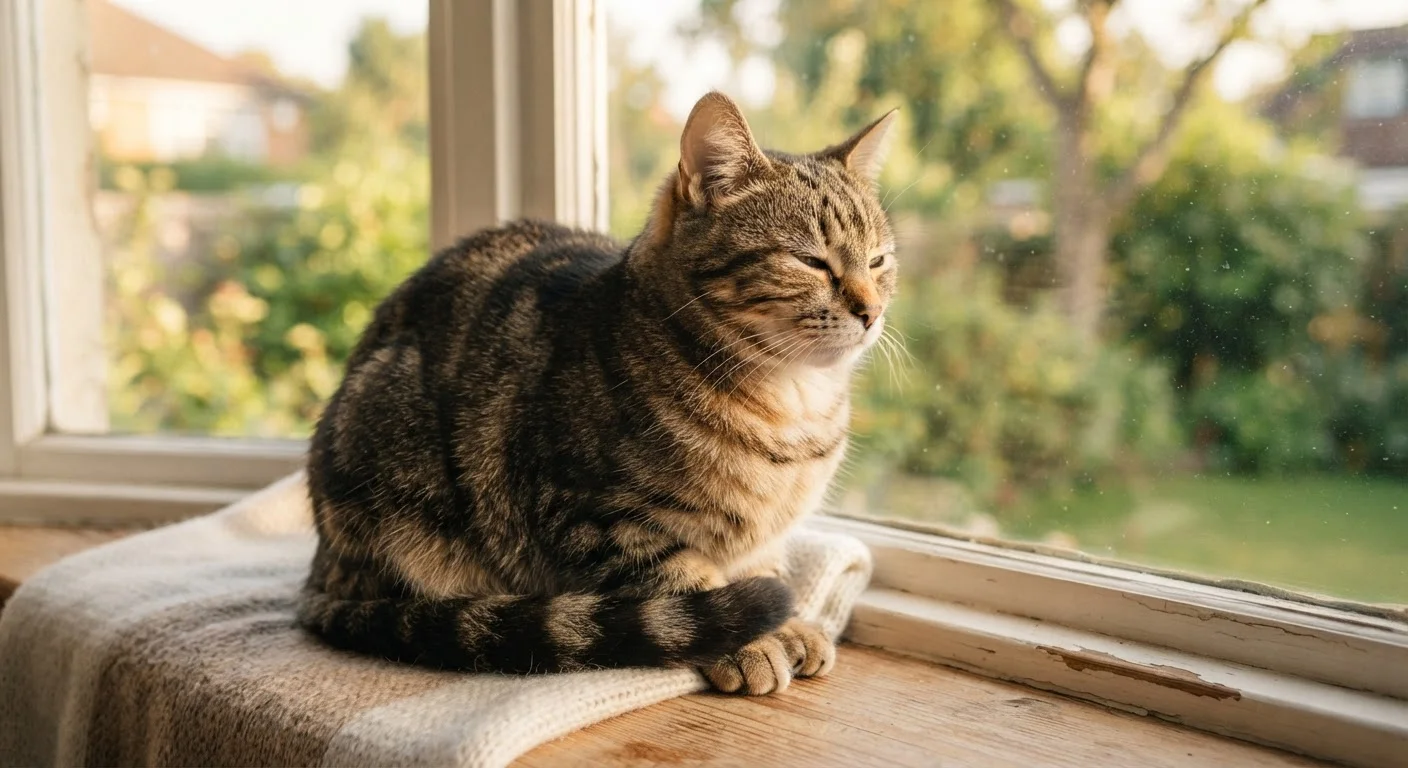
Photo credit: SnippetColumns.com | Easy Search, Reliable Information
In this article
Tail position, ear angle, slow blinks — decode the subtle signals your cat uses to communicate mood, comfort, and stress every day.
Key Takeaways
- A cat's tail position is one of the most reliable real-time indicators of its mood.
- Slow blinking is a bonding signal — cats and owners can exchange it intentionally.
- Flattened ears and a tucked tail together signal fear or defensive arousal.
- Exposed belly does not always mean a cat wants a belly rub — it often signals trust.
- Recognizing early stress signals lets owners intervene before behavior escalates.
- Consistent daily routines help cats feel safe enough to display relaxed body language.
The Language Cats Evolved to Speak
Cats are not naturally pack animals. Because they historically had limited need to negotiate social hierarchies the way wolves do, they never developed the robust vocal repertoire dogs use with each other. Instead, feline communication is overwhelmingly physical and contextual — built from dozens of micro-signals that shift meaning depending on combination and context.
Understanding this system is not about projecting human emotions onto your cat. It is about accurately reading what your cat is already broadcasting. Owners who learn to interpret these signals report fewer unexpected scratches, less frustration with "aloof" behavior, and a noticeably stronger bond with their pet.
Body Language Varies by Individual Cat
General feline body language principles are a strong starting point, but individual cats develop personal communication styles shaped by genetics, early socialization, and life experience. A cat raised with abundant human contact from kittenhood may display far more overt affection signals than one that was less socialized. Use these guidelines as a baseline and adjust your interpretation based on your own cat's established patterns.
Tail Talk: The Real-Time Mood Meter
The tail is arguably the most expressive part of a cat's body. Here is a quick reference for the most common positions:
- Tail held high, tip slightly curved: Confident, content, and friendly. This is often a greeting signal directed at familiar people.
- Tail low or tucked between legs: Fear, submission, or discomfort. Pair this with other cues to gauge severity.
- Puffed "bottle-brush" tail: Acute fear or aggression — the cat is trying to look larger. Give it space immediately.
- Slow, gentle sway at the tip: Focused concentration, as when watching prey. Not irritation — yet.
- Rapid side-to-side lashing: Overstimulation or escalating irritation. Stop petting and allow the cat to reset.
Because stress-related postures can sometimes be confused with pain responses, it is worth reviewing signs your pet may be in pain if a low-tail posture persists.
Ears, Eyes, and Whiskers: Reading the Face
A cat's face communicates with the precision of a dial — small changes carry significant meaning.
276+
Distinct facial expressions documented in domestic cats
A 2023 study published in Behavioural Processes analyzed cat-to-cat facial communication and identified over 276 distinct expressions, underscoring the complexity of feline signaling.
~65%
Owner-cat interactions initiated by the cat
Research on cat-human relationships suggests the majority of social interactions are initiated by the cat, meaning owners who can read approach signals are better positioned to respond appropriately.
Ears: Forward-facing ears signal alertness or curiosity. Ears rotated to the side ("airplane ears") indicate anxiety or mild agitation. Flat, pinned-back ears are a clear warning: the cat feels threatened and may scratch or bite defensively.
Eyes: Dilated pupils in normal lighting suggest excitement, fear, or arousal — context matters. Constricted pupils in a relaxed cat can mean contentment. Prolonged, unblinking stares are confrontational in feline culture; a cat that looks away is actually being polite. The famous slow blink is an affiliative signal — a cat that slow blinks at you is expressing that it feels safe enough to momentarily reduce vigilance.
Whiskers: Relaxed whiskers fanned slightly to the sides are a neutral baseline. Whiskers pushed flat against the face signal defensiveness or fear. Forward-pushed whiskers accompany active investigation or excitement.
Posture and Touch: What the Whole Body Says
Full-body posture confirms what individual signals suggest. A cat with a loose, relaxed spine, gentle blinking, and a loosely curved tail is at ease. A cat crouched low with a tucked tail, flattened ears, and wide eyes is in a defensive, fearful state — not one to push for interaction.
The belly roll deserves special attention. When a cat rolls to expose its abdomen, it is displaying trust — this is a vulnerable position for any animal. Many owners interpret this as a request for belly rubs, leading to the classic "love bite." Appreciate the display, offer a gentle scratch at the base of the tail or under the chin, and let your cat's immediate response guide further contact.
Allogrooming — when a cat licks your hand or face — is a direct transfer of social bonding behavior cats use with trusted companions. Headbutting (technically called bunting) deposits scent and is a clear marker of ownership and affection.
Practice the Slow Blink With Your Cat
Find a moment when your cat is relaxed and making eye contact. Soften your gaze, then slowly close and reopen your eyes. Many cats will slow blink back — a clear sign they register the signal. Repeating this daily can strengthen trust over time.
Cats that feel consistently safe in their environment are far more likely to display relaxed, open body language. Structured daily routines — predictable feeding times, consistent play sessions, and stable social interactions — provide the foundation that lets cats decompress and communicate openly.
Putting It Into Practice Every Day
Reading body language is a skill that sharpens with daily observation. Make it a habit to do a quick "whole-cat check" when you arrive home: note tail carriage, ear position, and whether your cat approaches or retreats. Over time, you will build an intuitive baseline for your individual animal and notice deviations early.
If you observe persistent changes — chronic hiding, unusual posturing, or sudden shifts in social behavior — these may warrant a veterinary consultation rather than a behavioral explanation alone. Body language is shaped by both emotional state and physical comfort, and the two are often intertwined. For a broader understanding of your cat's health context, the Pet Health & Wellness hub offers guidance on recognizing common issues early.
This article is for general informational and educational purposes only. It is not a substitute for professional veterinary advice. If you have concerns about your cat's health or behavior, please consult a licensed veterinarian.
Frequently Asked Questions

Author
Pets & Animal Care Editorial Team
Pets & Animal Care Editorial Team is the collective byline for our editorial team and contributor network. Articles published under this byline or an editorial pen name are researched, written, and reviewed according to our editorial standards for clarity, consistency, and independence before publication.
View all articles →