
Switching Your Pet to a New Food Without Digestive Upset
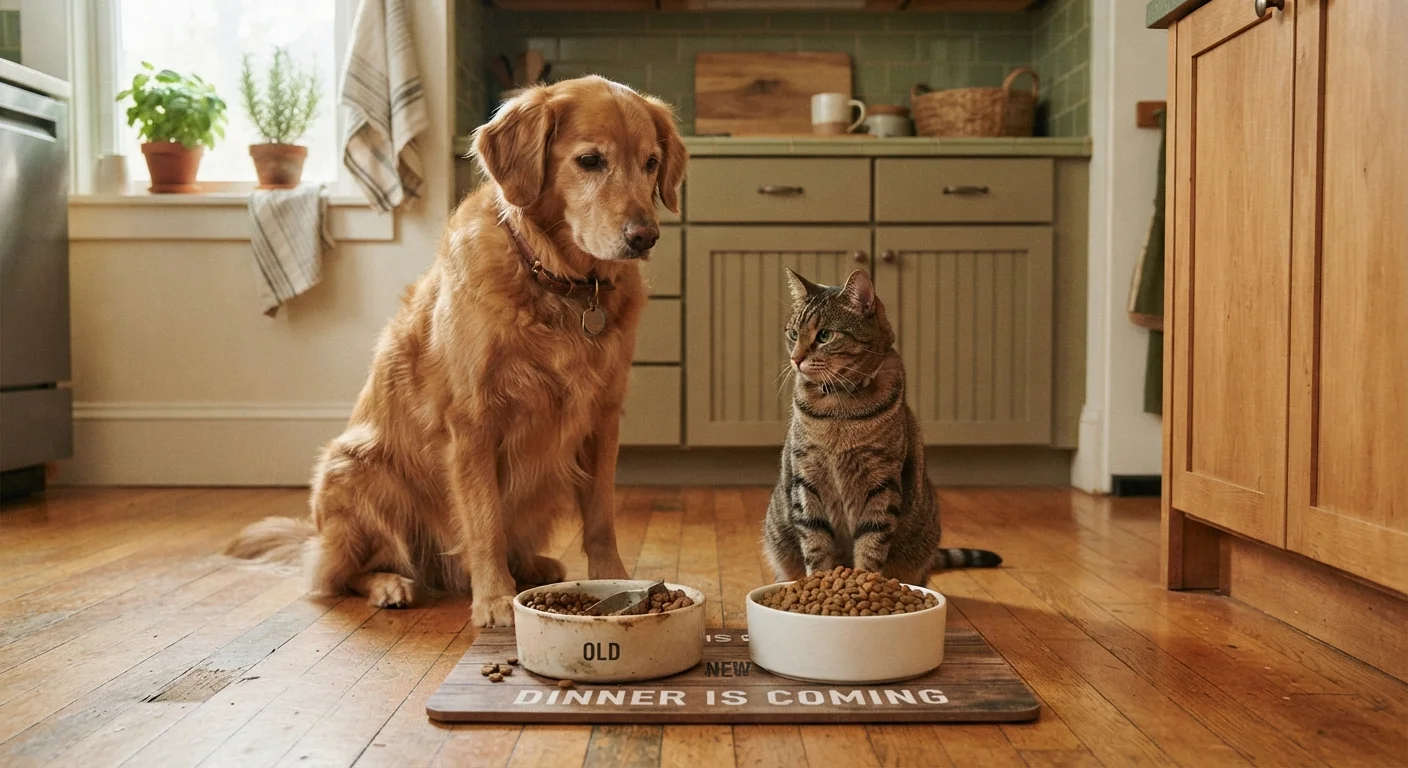
Photo credit: SnippetColumns.com | Easy Search, Reliable Information
In this article
A sudden diet change can cause stomach trouble for dogs and cats. Follow this step-by-step transition approach to keep the process smooth and stress-free.
Key Takeaways
- Abrupt food changes commonly cause vomiting, diarrhea, or refusal to eat in dogs and cats.
- A 7–10 day gradual transition is the standard approach recommended by most veterinarians.
- Pets with sensitive stomachs or health conditions may need an even slower transition period.
- Monitoring stool consistency is the most reliable daily signal that a transition is going well.
- Always consult your veterinarian before switching foods if your pet has a diagnosed health condition.
Why a Gradual Transition Matters
A pet's digestive system is home to a complex community of gut bacteria — collectively called the microbiome — that is specifically tuned to the food being consumed. When food changes abruptly, those microbial populations are disrupted faster than they can adapt, which commonly results in vomiting, diarrhea, gas, or a pet that simply refuses to eat. This is not a sign the new food is bad; it is a sign the body needed more time.
The digestive tracts of dogs and cats differ in important ways, and both differ from humans. Cats, as obligate carnivores, tend to be more resistant to dietary variety in general, and some can take longer than dogs to accept and tolerate a new food. The transition approach below applies to both species, though the timeline may need to be extended for cats or for any pet with a diagnosed gastrointestinal condition.
Routine changes — including diet changes — can also create mild stress in pets. If your animal seems anxious or off-rhythm during a food switch, our article on recognizing and relieving pet stress may offer useful context.
What you will need
Step-by-Step: The 7–10 Day Transition Plan
The steps below provide a practical roadmap for introducing a new food at a pace your pet's digestive system can handle. Follow each phase in order, and refer to your daily symptom log before advancing to the next ratio.
Read and Compare the Two Food Labels
Before mixing a single kibble, spend a few minutes comparing the ingredient lists and guaranteed analysis panels on both bags or cans. Look at the primary protein source, fat percentage, and fiber content. A significant jump in fat content, for example, is a common trigger for loose stools. Understanding what is changing helps you anticipate how your pet might respond and how slowly you may need to go. For a deeper dive into decoding these panels, see our guide to reading pet food labels.
Start With a 75/25 Ratio (Days 1–3)
Begin by replacing approximately 25% of your pet's regular meal with the new food, keeping 75% as the familiar old food. Serve this blend at every meal during the first two to three days. This low introduction amount gives the digestive system — particularly the gut bacteria — time to begin adjusting without being overwhelmed. Measure carefully rather than estimating by eye.
Move to a 50/50 Blend (Days 4–6)
If your pet's stools remain firm and formed and appetite is normal, shift to equal parts old and new food. Continue this ratio for another two to three days, watching closely for any loose stools, gas, or changes in eating enthusiasm. A mild increase in flatulence is common and usually self-resolving. Significant loosening of stool is a cue to hold at this ratio for an extra day or two before advancing.
Shift to a 25/75 Ratio (Days 7–9)
Now reduce the old food to roughly 25% while the new food makes up 75% of the meal. By this stage, most dogs and cats have adapted their gut flora sufficiently to handle the majority of the new diet. If your pet has a history of digestive sensitivity, extend this phase to four days rather than two or three before completing the switch.
Complete the Transition to 100% New Food (Day 10+)
Once your pet has tolerated the 75% new food ratio without issue for at least two consecutive days, you can serve the new food exclusively. Continue monitoring stool quality and overall energy levels for another week. Some pets — especially seniors or those with chronic digestive conditions — may benefit from an even longer overlap period. For guidance on nutritional needs that shift with age, see how life stage affects what your pet should eat.
Use Stool Scoring to Track Progress
Veterinarians often use a stool-consistency scale of 1–7, where a score of 2–3 (firm, well-formed) is ideal. Loose, watery, or unusually hard stools during transition are a signal to slow your ratio change. This simple daily check takes seconds and provides real, actionable feedback.
When to Stop and Call Your Vet
If your pet experiences persistent vomiting, bloody stool, significant lethargy, or refuses to eat for more than 24–48 hours during the transition, stop the switch and contact your veterinarian. These signs can indicate an underlying sensitivity, allergy, or health condition that warrants professional evaluation. Do not attempt to push through severe symptoms on your own.
Special Considerations for Puppies, Kittens, and Seniors
Young animals and senior pets often have more sensitive or less resilient digestive systems than healthy adults, and both groups may need a slower-than-standard transition. Puppies and kittens are frequently switched to adult formulas around one year of age (or later for large-breed dogs), while senior pets may be moved to foods with different protein, phosphorus, or calorie profiles as their health needs shift.
If your pet is older or has a known health condition such as kidney disease, pancreatitis, or inflammatory bowel disease, work directly with your veterinarian before starting any food transition. The standard 7–10 day plan may not be appropriate, and the choice of new food itself warrants professional input. Our overview of what changes for senior pets after age seven covers related nutritional shifts in more detail.
Cats Are Especially Vulnerable to Abrupt Changes
Unlike dogs, cats can develop a condition called hepatic lipidosis (fatty liver disease) if they stop eating for even a few days. Never force a food switch if your cat is outright refusing the new food. Slow down the transition and consult your vet if appetite drops significantly.
This article is for general informational purposes only and is not a substitute for veterinary advice. Always consult a licensed veterinarian before making significant changes to your pet's diet, especially if your pet has an existing health condition.

Author
Pets & Animal Care Editorial Team
Pets & Animal Care Editorial Team is the collective byline for our editorial team and contributor network. Articles published under this byline or an editorial pen name are researched, written, and reviewed according to our editorial standards for clarity, consistency, and independence before publication.
View all articles →