
How Default Choices and Personal Rules Reduce Daily Shopping Stress
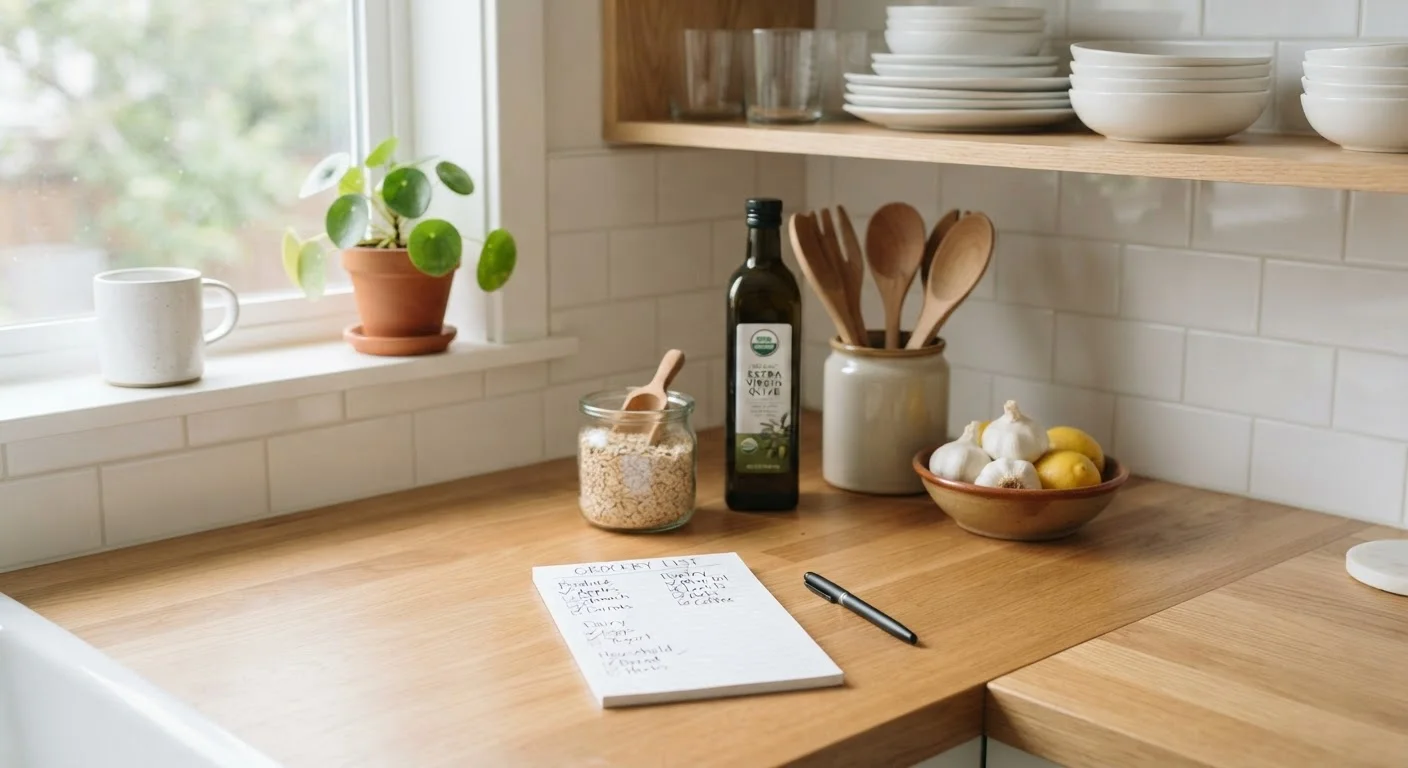
Photo credit: SnippetColumns.com | Easy Search, Reliable Information
Automating low-stakes decisions with personal defaults — like always buying a familiar brand for staples — preserves mental energy for choices that truly matter.
Key Takeaways
- Personal defaults are pre-made decisions that remove low-stakes choices from active deliberation.
- Reserving mental energy for high-value purchases leads to more confident, satisfying outcomes.
- A small set of personal rules — applied consistently — can dramatically reduce daily shopping stress.
- Defaults work best for routine, repeatable purchases where variety offers little practical benefit.
- Reviewing your defaults periodically ensures they still reflect your actual needs and budget.
Why Automating Small Decisions Pays Off
Every time you stand in a store aisle or scroll through product listings weighing nearly identical options, you're drawing on the same cognitive resources you use for genuinely important decisions. Research in behavioral economics suggests that the mental effort required for trivial choices is not meaningfully different from the effort required for significant ones — which is part of why a long shopping session can leave you feeling depleted even if nothing you bought cost very much.
This phenomenon is discussed in depth in our article on why shopping feels exhausting even when you have time. The core idea: if you can remove routine decisions from active deliberation entirely, you preserve mental bandwidth for the choices that actually warrant careful thought.
Personal defaults — pre-made rules you apply automatically to recurring purchases — are one of the most practical tools for doing this. They're not about being rigid or limiting yourself. They're about recognizing that spending 10 minutes comparing dish soaps is not a good use of your decision-making capacity. For a broader toolkit of cognitive strategies, see our guide on mental frameworks that cut through product overwhelm.
Start With Your Most Frequent Purchases
Focus first on the items you buy most often — household staples, personal care basics, or recurring subscriptions. These are exactly where default rules deliver the greatest cumulative time and energy savings. Once those feel natural, expand your system gradually.
Building and Using Your Default System
The steps below walk you through building a personal default system from scratch. The process involves auditing your current shopping habits, identifying which decisions genuinely benefit from deliberation versus which ones just consume time, and writing simple rules that do the decision-making for you in advance.
What you will need
Note-taking app or notebook
Record and organize your personal shopping rules and defaults for easy reference.
Recent purchase history
Review past buying patterns to identify which categories are good candidates for defaults.
Monthly budget summary
Ensure your defaults align with your actual spending limits before committing to them.
Audit your recurring purchases
List every product category you buy on a regular basis — groceries, cleaning supplies, toiletries, pet food, and so on. For each one, note roughly how much time you spend deciding what to buy. Categories where you spend more than a few minutes choosing, but where the difference between options is minor, are strong candidates for defaults.
Identify your low-stakes categories
Separate your list into two groups: decisions that genuinely matter (significant cost, long-term use, or high personal impact) and decisions that don't (staples, consumables, items you'll use up quickly). Defaults belong in the second group. A useful test: if a slightly imperfect choice in this category costs you less than $5 or causes no lasting consequence, it's probably low-stakes.
Write your default rule for each category
For each low-stakes category, write a single clear rule. Keep it simple and specific: "For dish soap, I always buy the unscented version of whichever store-brand is available." or "For pasta, I always buy the 1-pound box of whatever's in stock." The rule should be actionable without requiring further deliberation at the point of purchase.
Set a ceiling rule for impulse-adjacent categories
Some categories aren't fully routine but still generate disproportionate stress — clothing basics, kitchen tools, or home décor items. For these, write a ceiling rule rather than a specific product default. Examples: "I don't spend more than $20 on a basic T-shirt." or "I only buy kitchen gadgets that serve at least two functions." These rules shrink the decision space without eliminating choice entirely.
Store your rules somewhere accessible
Write all your defaults in one place — a notes app, a small card in your wallet, or a pinned note on your phone. The point is that your rules should be retrievable in the store or at checkout without effort. The moment you have to reconstruct a rule from memory under time pressure, it stops working as a default.
Schedule a quarterly review
Set a recurring reminder — once every three months is generally sufficient — to review your defaults list. Ask: Has this product changed in quality or price? Has my situation changed? Are there categories I've added that need a rule? Remove any defaults that no longer fit and add new ones as needed. A stale default that no longer serves you is just a bad habit.
Don't Default on High-Stakes Purchases
Personal defaults are designed for low-stakes, routine items. For significant financial decisions — electronics, appliances, insurance, or large clothing purchases — active comparison and deliberation still serve you better. Reserve your mental shortcuts for decisions where the cost of a suboptimal choice is genuinely low.
Defaults Are Tools, Not Traps
Personal shopping defaults are meant to serve you — not lock you in. If a product stops meeting your needs, raise prices significantly, or your circumstances change, revisit and update your rules. The goal is smarter automation, not mindless repetition.
Once your system is in place, the real benefit compounds over time. Shoppers who set a decision budget before opening a shopping tab often find that combining a time cap with pre-built defaults makes even online shopping noticeably less draining. And if indecision extends beyond grocery runs into most purchases, the foundational guide on building shopping confidence offers complementary mindset tools worth exploring.
This article provides general consumer guidance for informational purposes only. It is not financial, medical, or legal advice. For decisions involving significant personal or financial consequences, consult a qualified professional.

Author
Smart Shopping Editorial Team
Smart Shopping Editorial Team is the collective byline for our editorial team and contributor network. Articles published under this byline or an editorial pen name are researched, written, and reviewed according to our editorial standards for clarity, consistency, and independence before publication.
View all articles →