
The Auto Insurance Renewal Checklist Every Driver Should Run Through
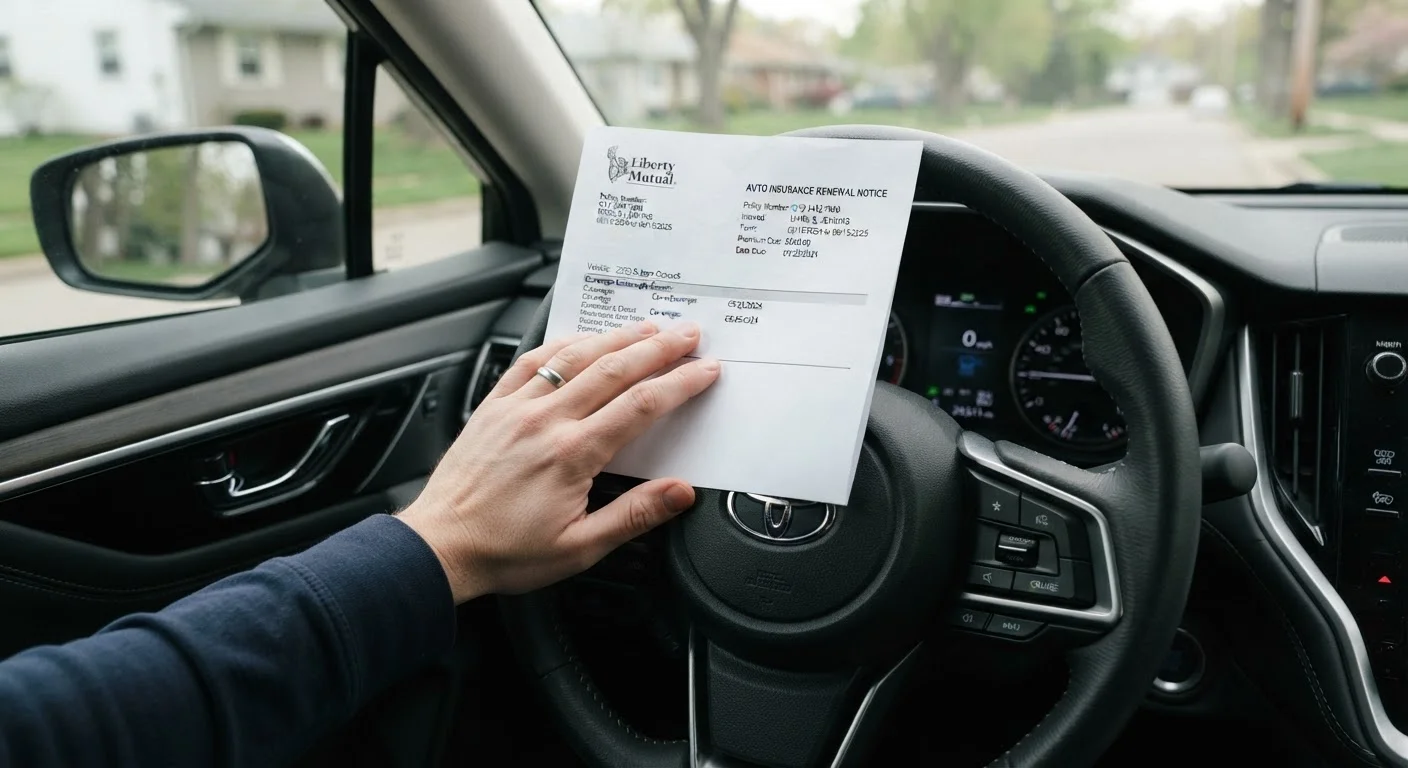
Photo credit: SnippetColumns.com | Easy Search, Reliable Information
Before you renew your policy, use this checklist to verify your coverage still fits your life, your vehicle, and your financial situation.
Key Takeaways
- Renewal time is the right moment to verify your coverage limits still match your vehicle's value and your finances.
- Life changes - a new address, added driver, or different commute - can significantly alter what coverage you need.
- Minimum state-required coverage may leave meaningful gaps; understand what each coverage type actually protects.
- Reviewing your deductible and liability limits annually can help you avoid being underinsured when it matters most.
- Reading your declarations page carefully helps you catch errors before they become costly surprises during a claim.
Why Running a Renewal Checklist Pays Off
Most drivers receive their renewal notice, glance at the premium, and click "pay" - often without confirming that the policy still fits their life. That's a missed opportunity. Your coverage needs shift whenever you move, change jobs, add a teen driver, pay off a car loan, or simply put more miles on the odometer. A quick, systematic review at renewal time can prevent coverage gaps, reveal coverage you no longer need, and help you have a more informed conversation with your insurer or licensed agent.
This checklist is designed for everyday drivers who want to approach renewal with confidence. It is general informational guidance - not personalized insurance or financial advice. For decisions specific to your situation, consult a licensed insurance professional and review your actual policy documents, since terms, exclusions, and state regulations vary widely by provider and location.
For deeper background on how auto insurance works end-to-end, see our comprehensive auto insurance overview.
Verify Your Policy Basics
Review Your Coverage Types and Limits
Reassess Your Deductible
Account for Life Changes
Check Discounts and Eligibility
Final Policy Review Before Signing
What to Have on Hand Before You Start
Gather these items before working through the checklist - having them in front of you keeps the review grounded in specifics rather than guesswork.
Current Declarations Page
Lists your existing coverage types, limits, deductibles, and named drivers - the baseline for everything you'll review.
Vehicle Registration
Confirms the VIN, year, make, and model on file with your insurer matches the vehicle you actually drive.
State DMV Minimum Coverage Reference
Helps you compare your current liability limits against your state's legal minimums.
Recent Odometer Reading or Mileage Log
Provides an accurate annual mileage figure, which affects your rate and may trigger low-mileage discount eligibility.
Loan or Lease Payoff Documentation
Confirms whether a lienholder or lessor coverage requirement still applies to your vehicle.
If your life has changed significantly since your last renewal, our article on keeping your policy accurate as life changes walks through common triggers that require a policy update.
Don't Assume Last Year's Policy Still Fits
Insurers can and do adjust terms, exclusions, and pricing at renewal without dramatic notification. A rate change on the summary page is easy to spot, but revised exclusion language buried in the policy document is not. Take five minutes to compare this year's declarations page side by side with last year's - particularly around coverage limits and any endorsements you added previously.
It's also worth separating insurance decisions from your broader financial picture. If you're unsure whether your deductible level aligns with what you actually have in savings, a separate savings checkup can help clarify that before you commit to a renewal amount.
Once your policy is confirmed and current, you'll be in better shape for everything else on the road - including preparing for a road trip knowing your coverage is solid.
Coverage Gaps Can Have Serious Financial Consequences
Driving with insufficient liability coverage means you could be personally responsible for damages or medical costs that exceed your policy limits. If you cause a serious accident and your coverage doesn't cover the full judgment, your personal assets - including savings and property - may be at risk. This is general information, not legal or financial advice; consult a licensed professional to evaluate your specific exposure.
Finally, don't let common misconceptions drive your decisions. Our piece on auto insurance myths debunks widespread beliefs - like assuming minimum coverage is always sufficient - that can lead to costly mistakes.

Author
Autos & Driving Editorial Team
Autos & Driving Editorial Team is the collective byline for our editorial team and contributor network. Articles published under this byline or an editorial pen name are researched, written, and reviewed according to our editorial standards for clarity, consistency, and independence before publication.
View all articles →