
Comprehensive Auto Insurance Coverage: The Full Picture
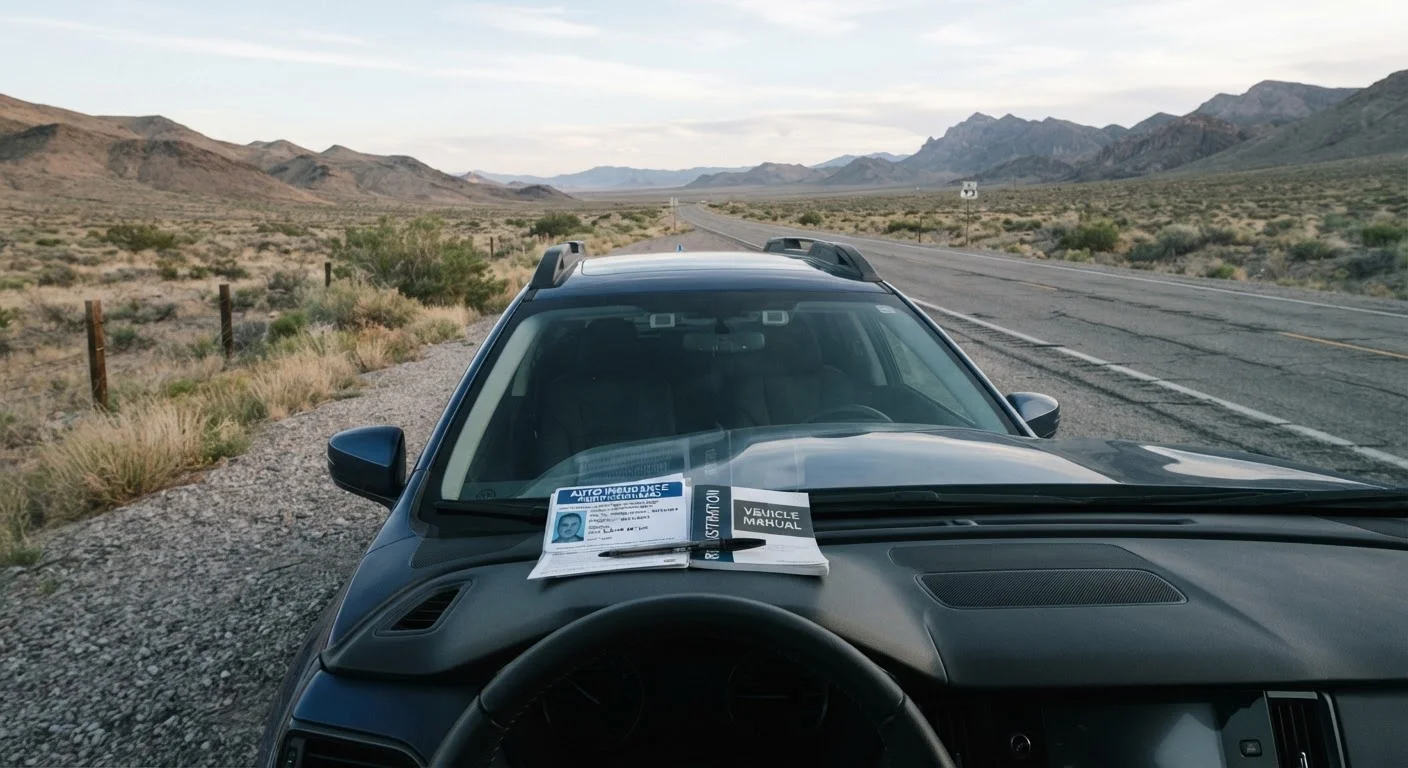
Photo credit: SnippetColumns.com | Easy Search, Reliable Information
In this article
An end-to-end look at how auto insurance works — coverage types, state minimums, claims, premiums, and how to keep your policy up to date.
Key Takeaways
- State minimum coverage rarely protects your finances in a serious accident.
- Premiums depend on factors like driving history, location, vehicle type, and credit score.
- Comprehensive and collision are separate coverages that protect against different events.
- Reviewing your policy annually helps avoid gaps and unnecessary costs.
- Filing a claim promptly and accurately is the most effective way to protect your payout.
Why Auto Insurance Is More Than a Legal Checkbox
Nearly every U.S. state requires drivers to carry some form of auto insurance, but treating it as just another compliance requirement is a mistake that can cost you dearly. Insurance is your primary financial buffer when something goes wrong - whether that's a fender-bender in a parking lot or a multi-car collision on the highway.
Many drivers don't look at their policy until they need to file a claim. At that point, misunderstandings about coverage, deductibles, and exclusions can turn an already stressful event into a financial crisis. Understanding your policy before something happens is the single most practical thing you can do as a driver.
For a plain-language breakdown of every major coverage type and when each one applies, see Auto Insurance Decoded. If you're completely new to the process, First Car, First Policy walks through the essentials from scratch.
Your Policy Is a Legal Contract
Every auto insurance policy is a binding contract with specific terms, conditions, and exclusions. Assumptions about what is covered - without reading the actual policy language - can result in denied claims. If any provision is unclear, contact your insurer or a licensed agent for written clarification before you need to rely on that coverage.
The Core Coverage Types Explained
Auto insurance policies are bundles of distinct coverages, each protecting against a specific category of loss. Knowing what each one does - and doesn't - cover is foundational.
- Liability - Covers bodily injury and property damage you cause to others. It does not cover your own injuries or vehicle repairs.
- Collision - Pays for damage to your vehicle resulting from a collision with another car or object, regardless of fault.
- Comprehensive - Covers non-collision damage: theft, vandalism, weather events, fire, and animal strikes. Often confused with collision coverage - they are not the same.
- Personal Injury Protection (PIP) - Covers medical expenses for you and your passengers after an accident, regardless of fault. Required in no-fault states.
- Uninsured/Underinsured Motorist (UM/UIM) - Protects you when the at-fault driver has no insurance or insufficient coverage to pay for your damages.
For a side-by-side look at how collision and comprehensive differ in practice, see Collision vs. Comprehensive Coverage.
1 in 8
U.S. drivers estimated to be uninsured
According to the Insurance Research Council, roughly one in eight drivers on American roads carries no auto insurance.
$24,000+
Average cost of an injury accident claim
Industry data from the Insurance Information Institute indicates bodily injury liability claims frequently exceed $20,000 per incident.
3-5 years
How long an at-fault accident affects premiums
Most insurers factor at-fault accidents into rate calculations for three to five years depending on the state and insurer guidelines.
State Minimums vs. Adequate Coverage
Every state sets minimum liability limits - the least coverage you must carry to legally operate a vehicle. These are typically expressed as three numbers, such as 25/50/25, representing thousands of dollars in bodily injury per person, per accident, and property damage. The problem: these floors were often set years ago and may not reflect today's medical and repair costs.
A serious accident can easily generate six-figure medical bills and exceed minimum coverage limits, leaving you personally responsible for the difference. Liability vs. Full Coverage explores when moving beyond minimums makes financial sense for your specific situation.
Match Coverage to Your Vehicle's Value
As a vehicle ages and depreciates, the math on carrying collision and comprehensive coverage shifts. If your car's actual cash value is relatively low, the annual premium cost for those coverages may outweigh the potential payout. Reassess this calculation each year as your vehicle's value changes.
If your vehicle is financed or leased, your lender will almost certainly require you to carry both collision and comprehensive coverage in addition to state-mandated liability minimums. Dropping those coverages while a loan is outstanding can put you in breach of your financing agreement.
How Premiums Are Calculated
Insurers use a combination of personal and vehicle-specific factors to set your premium. Understanding these can help you make informed decisions rather than feeling like pricing is a black box.
- Driving history - At-fault accidents and moving violations typically raise premiums for three to five years.
- Location - Urban zip codes with higher theft, traffic density, or weather risk often carry higher rates than rural areas.
- Vehicle - Repair costs, safety ratings, and theft frequency all factor in.
- Credit-based insurance score - Most states permit insurers to factor in credit history as a predictor of claims frequency. A few states prohibit this practice.
- Coverage levels and deductibles - Higher deductibles generally lower your premium; higher coverage limits raise it.
Common misconceptions surround premium pricing - for example, the belief that vehicle color affects rates. See Car Insurance Myths for a rundown of widely held beliefs that often don't hold up.
Request a coverage review whenever your net worth changes significantly. As your assets grow, your liability limits should keep pace - otherwise a judgment against you can exceed your coverage.
Liability coverage that made sense when you had few assets may leave you dangerously exposed as your financial situation improves.
Before adjusting your deductible to lower your premium, calculate how many months of savings it would take to recoup a higher out-of-pocket cost if you had a claim tomorrow.
A higher deductible only saves money over time if you go long enough without a claim - and that break-even point isn't always obvious without doing the math.
Filing a Claim Without the Headache
How you handle the moments immediately after an incident can significantly affect your claim outcome. A few practical steps matter most:
- Document everything at the scene - Photos of all vehicles involved, license plates, road conditions, and any visible injuries. Collect the other driver's insurance information and a police report number if applicable.
- Notify your insurer promptly - Most policies require notification within a reasonable time period. Delays can complicate or invalidate a claim.
- Understand your deductible before you file - If the damage is close to your deductible amount, filing may not be worth the potential premium impact.
- Keep records of all communications - Dates, names, and summaries of every call or email with your insurer and any repair facilities.
If unfamiliar with the terminology in your claim paperwork, Auto Insurance Glossary is a useful quick-reference covering 40 common policy terms.
Never Admit Fault at the Scene
Fault determination is a formal process handled by insurers and, sometimes, courts - not a roadside conversation. Statements like 'I'm sorry' or 'it was my fault' can be used against you during the claims process even if the full circumstances are not yet known. Stick to exchanging information and let the insurers investigate.
Keeping Your Policy Current
Auto insurance isn't a set-it-and-forget-it purchase. Life changes - a new vehicle, a move to a different state, a teen driver joining the household, or a change in how much you drive - can all create coverage gaps if your policy isn't updated to match your actual situation.
A practical annual review checklist should include: confirming your listed drivers and vehicles are accurate, verifying your coverage limits still align with your assets, checking that your deductibles are amounts you could genuinely afford out of pocket, and reviewing any optional add-ons like rental reimbursement or roadside assistance for relevance.
For drivers who've recently purchased a used vehicle, extended warranty considerations may complement your insurance review - the two serve different but sometimes overlapping financial protection roles. Routine car maintenance can also indirectly support your insurability by reducing mechanical failures that may lead to at-fault incidents.
This article provides general information about auto insurance concepts and is not personalized insurance, financial, or legal advice. Coverage terms, exclusions, and regulations vary by provider and by state. Always read your actual policy documents and consult a licensed insurance agent or adviser for decisions specific to your situation.

Author
Autos & Driving Editorial Team
Autos & Driving Editorial Team is the collective byline for our editorial team and contributor network. Articles published under this byline or an editorial pen name are researched, written, and reviewed according to our editorial standards for clarity, consistency, and independence before publication.
View all articles →