
Auto Insurance Decoded: What Every Coverage Type Actually Means
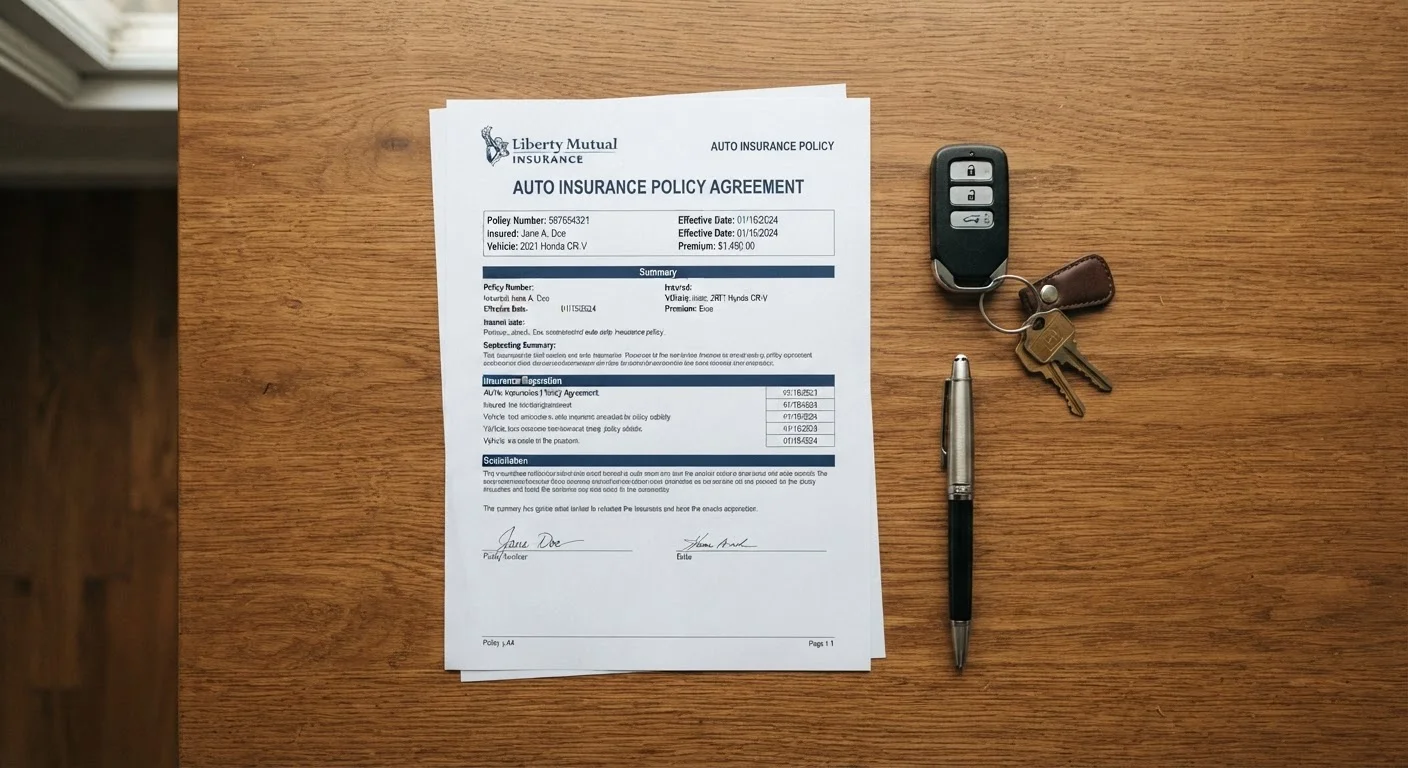
Photo credit: SnippetColumns.com | Easy Search, Reliable Information
In this article
Liability, collision, comprehensive, PIP — plain-language explanations of every major auto insurance coverage type and when each applies.
Key Takeaways
- Liability coverage is required in nearly every state and pays for injuries or property damage you cause to others.
- Collision and comprehensive are optional in most states but may be required by a lender if you're financing or leasing.
- Personal Injury Protection (PIP) and Medical Payments (MedPay) cover occupant medical costs regardless of fault.
- Uninsured/underinsured motorist coverage protects you when the at-fault driver has no coverage or not enough.
- Each coverage type carries its own deductible and limit - reviewing both is essential to understanding your real exposure.
- State minimum requirements set a floor, not a recommendation - minimums are often insufficient for real-world losses.
Liability Coverage: What You Owe Others
Liability is the foundation of virtually every auto policy in the U.S. - and the only coverage type required by law in almost all states. It splits into two parts:
- Bodily injury liability pays for medical expenses, lost wages, and legal costs for people you injure in an at-fault accident.
- Property damage liability pays to repair or replace other people's vehicles or property you damage.
Limits are usually written as three numbers - for example, 25/50/25 - representing the per-person bodily injury cap, the per-accident bodily injury cap, and the property damage cap, all in thousands of dollars. State minimums are legal thresholds, not recommendations; a serious crash can easily exceed them, leaving you personally responsible for the difference.
State Rules Change What's Available to You
No-fault states require PIP and restrict when you can sue another driver for damages. At-fault states follow traditional liability rules. A handful of states offer a choice between the two systems. Your state's rules directly affect which coverages are mandatory, optional, or unavailable on your policy.
For a plain-language breakdown of policy terminology, see the auto insurance glossary - it covers everything from deductibles to subrogation in one place.
Collision and Comprehensive: Covering Your Own Vehicle
These two coverages protect your car itself, and they're commonly bundled - but they apply to completely different situations.
Collision coverage pays for damage to your vehicle resulting from a collision with another car, a guardrail, a telephone pole, or any other object, regardless of who was at fault. Comprehensive coverage handles damage from events outside a collision - theft, vandalism, fire, flooding, hail, or animal strikes.
Both require you to pay a deductible before your insurer covers the remaining repair costs. Choosing a higher deductible lowers your premium but increases what you pay out-of-pocket after a loss. Neither coverage is mandated by state law, but lenders and leasing companies typically require both until the vehicle loan is paid off.
Check Your Deductibles Alongside Your Limits
Your coverage limit is the maximum your insurer pays; your deductible is what you owe first. A $500 deductible on a $600 repair means your insurer only covers $100 - and you've still filed a claim that could affect your rate. Before selecting deductibles, consider what you could reasonably pay out-of-pocket in a minor incident.
For a thorough side-by-side breakdown, the collision vs. comprehensive guide walks through exactly what each one covers - and the scenarios where each applies.
Medical Coverages: PIP and MedPay
Two coverage types address medical costs for you and your passengers after a crash, and they work independently of who caused the accident.
Personal Injury Protection (PIP) - sometimes called no-fault coverage - pays for medical bills, a portion of lost wages, and in some cases services like childcare or household help that you can't perform while injured. PIP is mandatory in no-fault states and optional or unavailable in others.
Medical Payments coverage (MedPay) is a simpler, narrower version that covers medical and funeral expenses for you and your passengers, but generally doesn't extend to lost wages or other non-medical costs. It's available in most states as an add-on.
~13%
Estimated uninsured drivers on U.S. roads
According to the Insurance Research Council, roughly one in eight drivers in the U.S. was uninsured in a recent study period - underscoring the value of UM/UIM coverage.
50 states
States with varying minimum liability requirements
Every U.S. state (plus D.C.) sets its own mandatory minimum liability limits, meaning what's legally sufficient in one state may not be in another - and minimums rarely reflect actual crash costs.
$24,000+
Average cost of an injury claim per vehicle
The Insurance Research Council has reported average bodily injury claim costs well above common state minimums, illustrating why low-limit policies carry significant financial risk.
Neither PIP nor MedPay replaces health insurance, and how they coordinate with your health plan depends on your state's rules and your specific policies. If cost is a concern, reviewing both your auto and health coverage together helps you avoid redundant overlap.
Uninsured and Underinsured Motorist Coverage
Even where liability insurance is required by law, a meaningful share of drivers on the road carry none at all - and others carry only the state minimum, which may not cover a serious accident. Uninsured/underinsured motorist (UM/UIM) coverage closes that gap.
- Uninsured motorist bodily injury (UMBI) covers your medical costs when the at-fault driver has no insurance.
- Underinsured motorist bodily injury (UIMBI) pays the difference between the at-fault driver's policy limit and your actual damages when their coverage falls short.
- Uninsured motorist property damage (UMPD), where available, covers your vehicle repairs when an uninsured driver hits you.
UM/UIM coverage is required in some states and optional in others. It's often one of the more cost-effective additions to a policy given what it protects against. To understand how factors like coverage selections affect what you pay, see what determines your car insurance premium.
Additional Coverages Worth Knowing
Beyond the core types, most insurers offer optional add-ons that address specific gaps:
- Rental reimbursement
- Covers the cost of a rental car while your vehicle is being repaired after a covered claim. Daily and total limits apply.
- Gap coverage
- If your car is totaled, your insurer pays its current market value - which may be less than your remaining loan balance. Gap coverage pays the difference.
- Roadside assistance
- Provides towing, jump-starts, lockout help, and similar services. It's worth comparing what's included before adding it; some drivers already have this through other memberships. See what roadside assistance plans cover for what's typically included and excluded.
For a complete picture of how all these pieces fit together - including state minimums, premiums, and the claims process - the comprehensive auto insurance overview goes end-to-end on how policies work.
This article is for general informational purposes only and does not constitute personalized insurance or legal advice. Coverage availability, requirements, and terms vary by state and insurer. Consult a licensed insurance agent or your policy documents for guidance specific to your situation.
Frequently Asked Questions

Author
Autos & Driving Editorial Team
Autos & Driving Editorial Team is the collective byline for our editorial team and contributor network. Articles published under this byline or an editorial pen name are researched, written, and reviewed according to our editorial standards for clarity, consistency, and independence before publication.
View all articles →