
Rotating Your Tires: What Happens If You Skip It
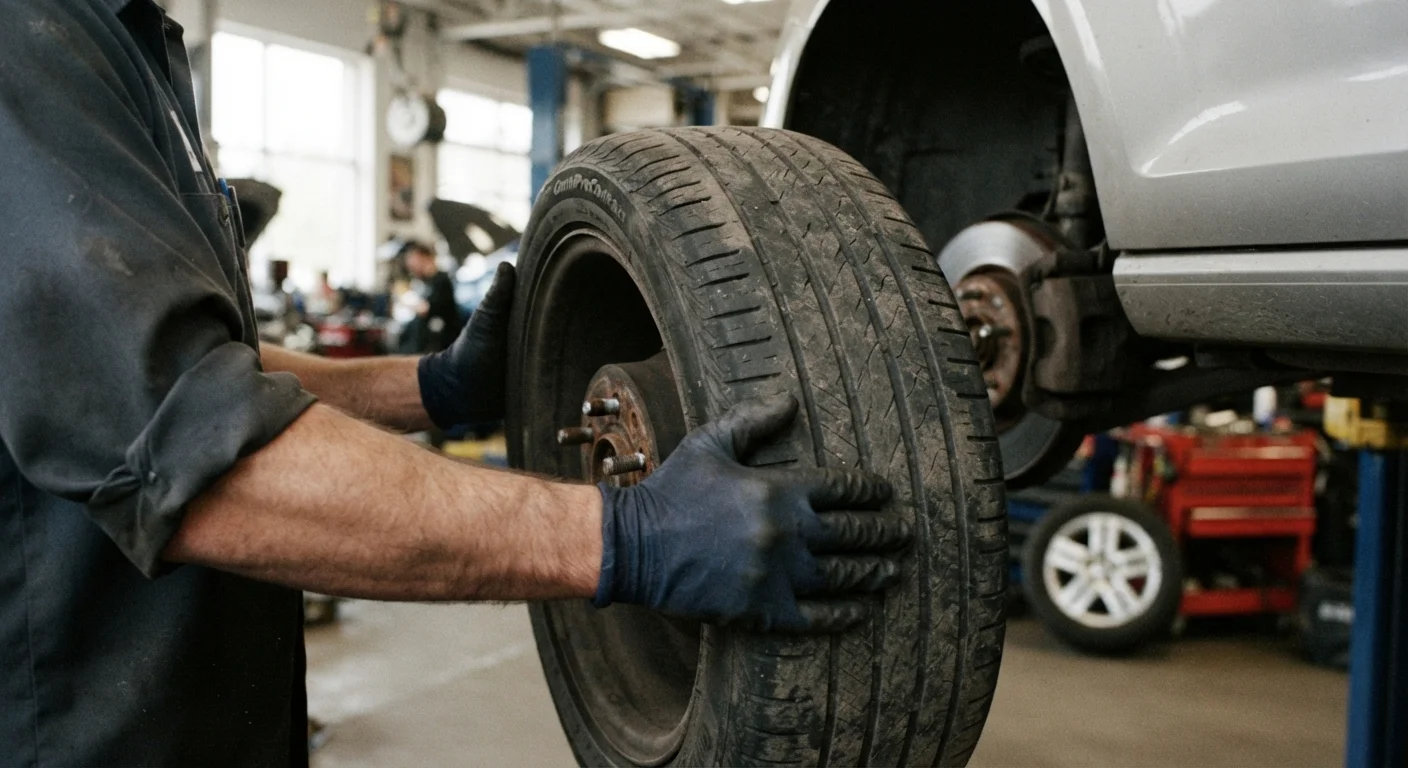
Photo credit: SnippetColumns.com | Easy Search, Reliable Information
In this article
Skipping tire rotations seems harmless until your tires wear unevenly. Here's the real cost of neglecting this simple task.
Key Takeaways
- Skipping tire rotations causes uneven tread wear that shortens tire lifespan significantly.
- Front tires typically wear faster than rear tires due to steering and braking forces.
- Most vehicle manufacturers recommend rotating tires every 5,000 to 7,500 miles.
- Neglecting rotations can void tire warranties and compromise vehicle handling safety.
- Regular rotations cost far less than replacing a full set of prematurely worn tires.
Why Tire Rotation Gets Skipped - and Why That's a Problem
Tire rotation sits low on most drivers' mental priority list. It's not dramatic, it doesn't trigger a warning light, and the consequences don't show up overnight. That combination makes it one of the most consistently deferred maintenance tasks on the road today.
The problem is that physics doesn't care about your schedule. Every mile you drive places unequal forces on your four tires - and without periodic rotation, that imbalance compounds. Front tires on a front-wheel-drive vehicle steer, brake, and transmit engine power simultaneously, wearing their tread at a rate that can be double that of the rear tires. Skip enough rotations and you're not just shortening tire life - you're creating a vehicle that handles differently on each corner.
For a fuller picture of how this fits into overall upkeep, see the complete roadmap to routine vehicle maintenance.
Waiting until tires look worn before scheduling a rotation.
Why it happens: Tread wear is gradual and easy to miss visually, so drivers often assume 'if it looks fine, it is fine.'
Assuming all four tires wear at the same rate.
Why it happens: It feels logical - all four tires roll on the same roads - but front tires handle steering and absorb most braking force, causing them to wear significantly faster.
Skipping rotations to save money in the short term.
Why it happens: A $20-$50 rotation fee feels unnecessary when nothing seems wrong, so it gets pushed back indefinitely.
Using the wrong rotation pattern for your vehicle type.
Why it happens: Drivers who do rotate often assume a simple front-to-back swap works for every car, but directional tires, staggered fitments, and AWD systems each require specific patterns.
Neglecting tire pressure checks alongside rotations.
Why it happens: Drivers treat rotation as the only tire maintenance task, overlooking that improper inflation causes its own wear patterns independent of rotation schedule.
The Real Costs of Skipping Rotations
The financial case for rotating tires is straightforward once you look at it clearly. A rotation service typically costs between $20 and $50 at most shops - often less when bundled with an oil change. A replacement set of tires for a standard passenger vehicle can run $800 or more once you factor in mounting and balancing.
~$800-$1,200
Typical cost of a full set of mid-range tires
Industry estimates from tire retailers suggest a full replacement set for a standard passenger vehicle commonly falls in this range, compared to a rotation costing $20-$50.
Up to 20%
Potential reduction in tire lifespan from skipped rotations
Tire industry guidance generally holds that proper rotation intervals can extend overall tire life by distributing tread wear - with neglect shortening it meaningfully.
Beyond replacement cost, uneven wear degrades ride quality and fuel efficiency. An underinflated or unevenly worn tire increases rolling resistance, meaning your engine works slightly harder on every trip. Over thousands of miles, that adds up at the pump. If your vehicle's handling feels off or you notice vibration at highway speeds, worn tires may be a contributing factor - alongside wheel alignment issues worth having a mechanic assess.
Check Your Tire Warranty Terms
Many tire manufacturers require documented proof of regular rotation to honor their treadwear warranty. Skipping rotations - even once or twice - can give a manufacturer grounds to deny a premature wear claim. Keep your service receipts or mileage log as documentation.
Drivers who stay on top of routine tasks tend to avoid the larger unplanned expenses. If car maintenance feels like a budget pressure point, car maintenance myths that cost drivers real money is worth reading to separate necessary spending from outdated habits.
Uneven Wear Can Become a Safety Issue
Severely worn tires - especially those with uneven tread - reduce your vehicle's ability to grip wet or slippery roads. This isn't just a comfort or cost issue; it's a handling and stopping-distance risk. If you notice cupping, feathering, or bald patches on any tire, have a qualified mechanic inspect them before your next highway drive.

Author
Autos & Driving Editorial Team
Autos & Driving Editorial Team is the collective byline for our editorial team and contributor network. Articles published under this byline or an editorial pen name are researched, written, and reviewed according to our editorial standards for clarity, consistency, and independence before publication.
View all articles →