
Roadside Breakdown Procedures Every Driver Should Know
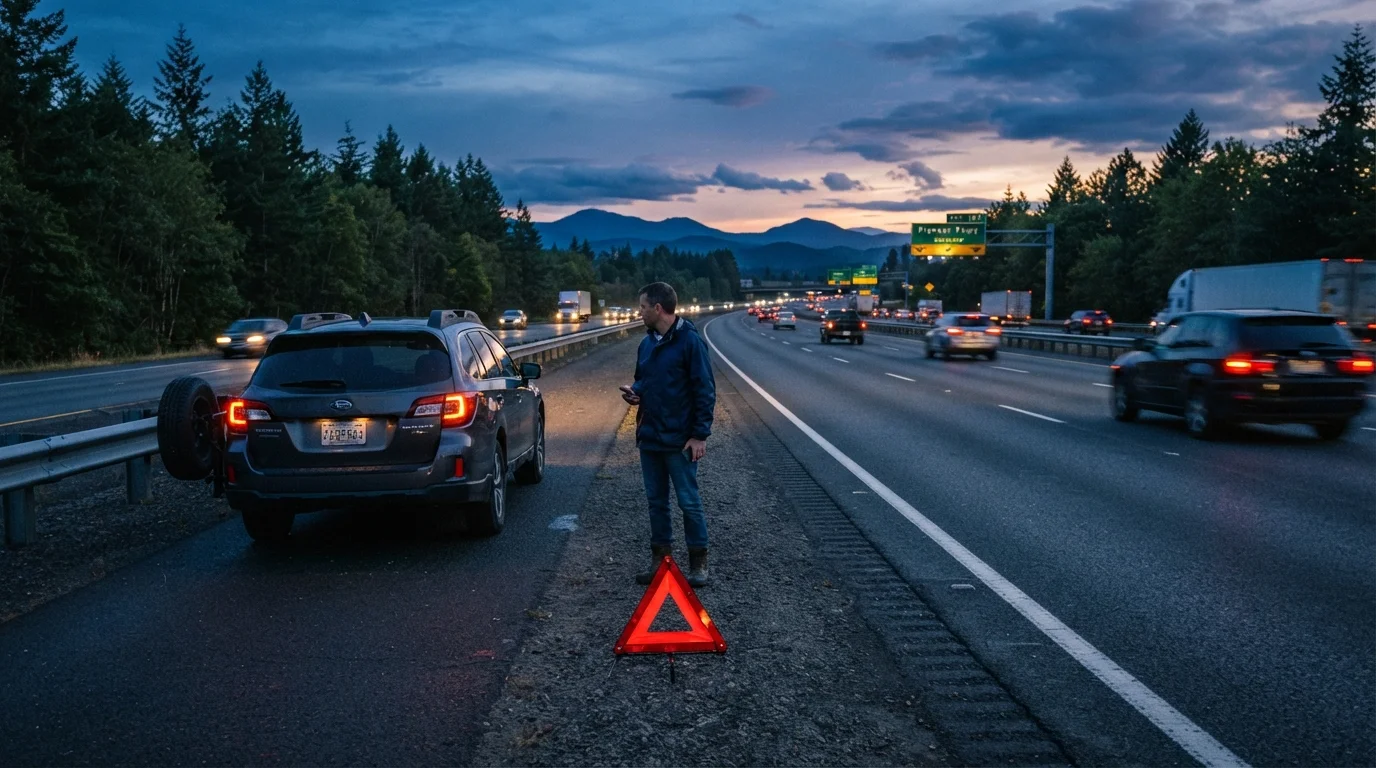
Photo credit: SnippetColumns.com | Easy Search, Reliable Information
In this article
Step-by-step guidance on what to do if your vehicle breaks down on a highway or rural road — from safely stopping to calling for assistance.
Key Takeaways
- Steer immediately to the far right shoulder and activate hazard lights the moment trouble starts.
- Distance from moving traffic is your biggest safety asset — exit the vehicle away from the road when possible.
- Visibility tools like reflective triangles and flares can reduce the risk of secondary collisions.
- Know your roadside assistance plan details before you need them — not after you're stranded.
- Rural breakdowns require extra preparation because response times can be significantly longer.
- A basic emergency kit can mean the difference between a minor delay and a dangerous situation.
Why Breakdown Preparedness Matters More Than Most Drivers Realize
A vehicle breakdown can happen to any driver, regardless of how new or well-maintained the car is. Tires fail, batteries die, and fuel gauges get misread. What separates a manageable inconvenience from a dangerous situation is almost always preparation and composure — not luck.
Highway breakdowns carry particular risks. Studies by traffic safety researchers consistently identify stopped vehicles on shoulders as significant hazard zones, especially in low-light conditions or on high-speed corridors. Rural road breakdowns introduce a different challenge: limited cell service, longer response times, and fewer passersby. Both scenarios call for the same core skill set.
If you're planning any extended drive, understanding breakdown procedures belongs in the same conversation as route planning and packing. See our complete road trip planning framework for a broader look at preparing for the unexpected on long-distance trips. And before your next departure, run through a pre-departure readiness checklist to reduce your breakdown risk in the first place.
Never Stop in an Active Travel Lane
If your vehicle loses power or suffers a blowout, steer toward the shoulder gradually — do not brake abruptly. Stopping in a live lane is one of the most dangerous situations on any roadway. If you cannot reach the shoulder, turn on hazard lights immediately and keep the vehicle as far right as possible while safely slowing down.
What You Need Before You're Ever Stranded
The tools and information you carry before a breakdown determines how well you handle one. At minimum, every driver should have basic emergency equipment accessible in the vehicle — not buried under luggage in the trunk. For a detailed breakdown of what belongs in your kit and how to organize it, see our guide to packing a road trip emergency kit that actually works.
Reflective warning triangles or road flares
Alert approaching drivers to a stopped vehicle, especially around curves or in low-visibility conditions.
Jumper cables or portable jump starter
Restart a vehicle with a dead battery without waiting for roadside assistance.
Flashlight with spare batteries
Illuminate the vehicle and surroundings during nighttime or low-light breakdowns.
Fully inflated spare tire, jack, and lug wrench
Enable a tire change on the spot if a flat occurs and conditions are safe.
Charged mobile phone and car charger
Contact roadside assistance, emergency services, or family when stranded.
High-visibility safety vest
Make yourself visible to drivers if you must stand near the roadway.
Beyond physical tools, know your coverage. Auto insurance policies, vehicle warranties, and credit cards sometimes include roadside assistance. Confirm what you have, what it covers, and who to call. Good car maintenance habits also reduce the frequency and severity of roadside failures significantly.
Save Your Roadside Assistance Number Before You Need It
Store your roadside assistance contact number in your phone and write it on a card kept in the glove box. In a stressful situation, hunting through emails or apps wastes critical time. Also confirm whether your auto insurance policy or vehicle manufacturer's warranty includes any roadside coverage — you may already have benefits you haven't activated.
Step-by-Step: What to Do When Your Vehicle Breaks Down
Follow these steps in order. The early steps prioritize your physical safety; later steps focus on getting help and managing the wait. Stay calm — a methodical response is far more effective than a panicked one.
What you will need
Activate hazard lights and steer to safety
The instant you sense something wrong — unusual noise, loss of power, a blown tire — switch on your hazard lights. This signals trouble to surrounding drivers immediately. Grip the steering wheel firmly, ease off the accelerator, and guide the vehicle toward the rightmost shoulder. Avoid sudden braking, which can cause a loss of control or a rear-end collision.
Choose the safest stopping point possible
Ideal stopping spots are flat, wide shoulders with good sight lines in both directions. Avoid stopping just past a curve, at the crest of a hill, or near an entrance ramp where merging traffic may not see you. If the shoulder is narrow or nonexistent, continue rolling at a slow speed (if safe) toward an exit, parking lot, or wider area before stopping.
Place warning devices behind the vehicle
Once stopped and with hazard lights still on, deploy reflective triangles or flares behind your vehicle. Place the first one roughly 10 feet behind the car, a second about 100 feet back, and a third around 300 feet back if you're on a higher-speed road. This gives approaching drivers maximum warning time. At night or in fog, these devices are especially critical.
Exit the vehicle safely and move away from traffic
If you must get out, use the passenger-side door on the shoulder side whenever practical. Move to a guardrail, embankment, or area well away from the road. Do not stand directly behind or beside the vehicle — a distracted driver could strike it and push it into you. In extreme weather or nighttime conditions, staying inside a seatbelted vehicle may actually be safer than standing exposed on the shoulder.
Call for assistance and communicate your location
Contact your roadside assistance provider, a trusted contact, or emergency services. Be ready to describe your exact location: highway name or number, direction of travel, mile marker, or nearby exit and landmark. If you're unsure where you are, your phone's GPS or mapping app can pinpoint your coordinates. Stay on the line until help is confirmed.
Wait safely and manage the situation until help arrives
If conditions allow, wait inside the vehicle with your seatbelt fastened — it provides meaningful protection if another vehicle makes contact. Keep hazard lights running. If approached by a stranger offering help, crack a window to communicate but do not unlock the door unless you feel confident about the situation. Let your roadside provider or a trusted contact know your status periodically.
Stay Alert to Oncoming Traffic When Exiting
Always exit through the passenger-side door when stopped on the right shoulder so you step away from moving traffic. Check your mirrors and over your shoulder before opening any door. A moment of inattention here accounts for a significant share of roadside fatalities.

Author
Autos & Driving Editorial Team
Autos & Driving Editorial Team is the collective byline for our editorial team and contributor network. Articles published under this byline or an editorial pen name are researched, written, and reviewed according to our editorial standards for clarity, consistency, and independence before publication.
View all articles →