
Solo Road Trips: What Changes When You're the Only One in the Car
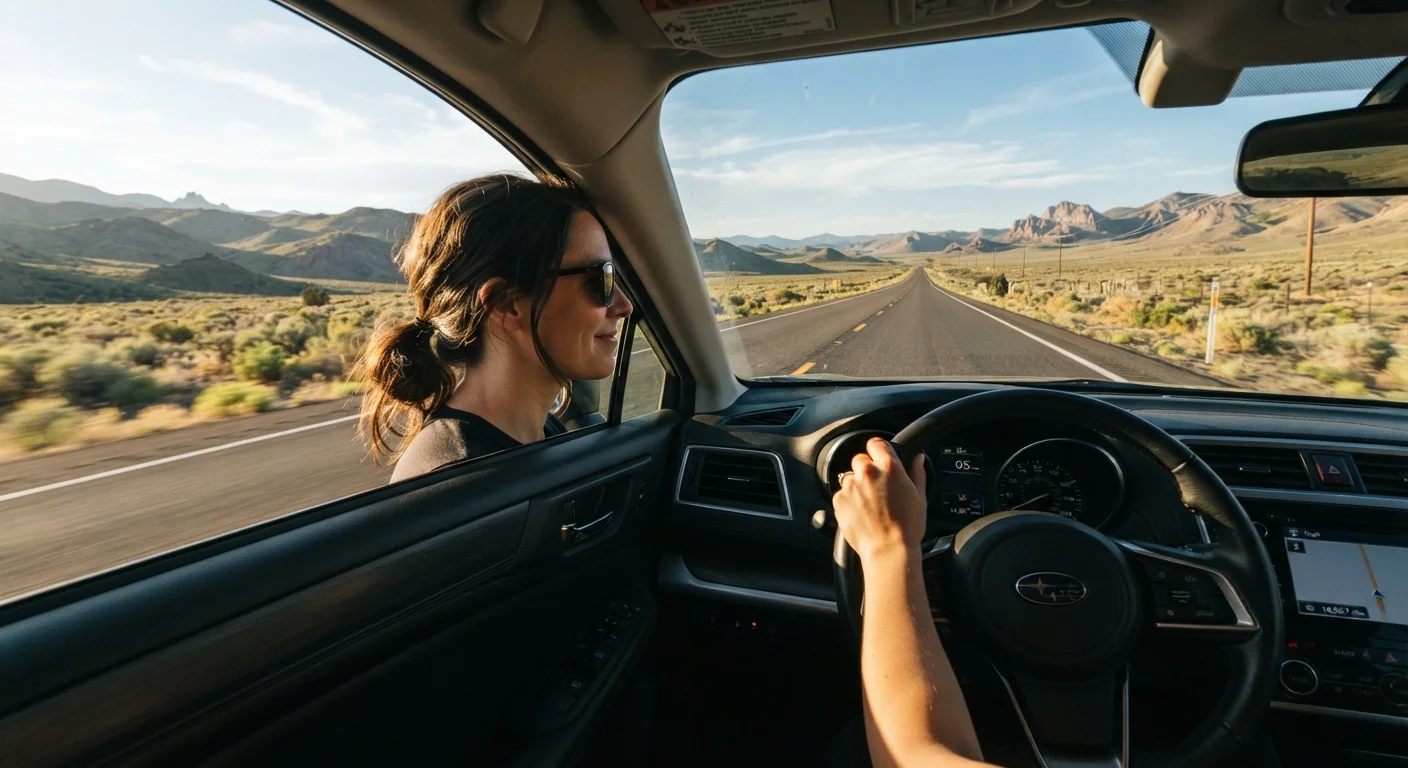
Photo credit: SnippetColumns.com | Easy Search, Reliable Information
In this article
A grounded introduction to driving alone across long distances — safety considerations, route planning, communication check-ins, and staying alert.
Key Takeaways
- Solo drivers carry all navigation and decision-making responsibilities themselves — preparation matters more than ever.
- Regular check-ins with a trusted contact are a simple, effective safety practice for any solo long-distance drive.
- Fatigue is a bigger risk without a co-pilot; plan shorter daily driving windows and take breaks before you feel tired.
- A vehicle pre-departure check reduces the chance of a breakdown leaving you stranded and alone.
- Route familiarity and lodging booked in advance reduce stress and decision fatigue on the road.
How Solo Driving Is Different
When you drive with others, responsibilities naturally spread out. Someone reads the map, someone watches for the exit, and someone notices when you've been quiet for too long. Solo driving removes all of that division of labor — every decision lands on you.
That shift isn't a reason to avoid solo road trips, but it is a reason to approach them differently. The skills and habits that make a solo driver safe are mostly the same ones that make any driver safe — they just need to be more deliberately built in when you're the only one in the car.
For a broader look at trip logistics, the Complete Road Trip Planning Framework covers everything from budgeting to contingency planning across multi-day drives.
Highway hypnosis
A state of reduced awareness that can occur during long, monotonous drives where the driver operates on autopilot without fully registering their surroundings.
Offline maps
Downloadable map data stored on your device so navigation works without an internet or cell signal.
Roadside assistance
A service — often part of an auto insurance policy or membership plan — that dispatches help if your vehicle breaks down, runs out of fuel, or needs a tow.
Check-in protocol
A pre-arranged agreement with a trusted contact to exchange brief updates at set points during your drive, with a clear plan if contact is missed.
Microsleep
An involuntary episode of sleep lasting just a few seconds, which can occur without the driver being aware — a significant hazard at highway speeds.
Route Planning When You're on Your Own
Route planning for a solo trip deserves more attention than most people give it. Without someone to spot a wrong turn or suggest an alternate, your route needs to be as clear and low-friction as possible before you leave the driveway.
- Download offline maps for your entire route. Cell signal is unreliable in rural stretches, and a dead GPS is a genuine problem when you're alone.
- Identify rest stops and fuel stations in advance, especially for stretches longer than 100 miles without services.
- Book overnight lodging ahead of time. Arriving exhausted in an unfamiliar town and hunting for a room is avoidable stress — see overnight lodging options compared for help weighing your choices.
- Keep daily driving distances realistic. A solo driver covering 500 miles in a day is managing fatigue, navigation, and all fuel and food stops alone — that's a heavy load.
The pre-departure checklist is also worth running through before any solo departure — it covers vehicle, documents, and supplies.
Staying Alert Without a Co-Pilot
Fatigue is the most underestimated hazard in solo long-distance driving. With a passenger, conversation naturally disrupts the monotony. Alone, highway hypnosis — a state of reduced awareness caused by the repetitive visual environment of a long straight road — can develop without you noticing.
Stop Before You Feel Tired
Most drivers significantly underestimate how fatigued they are behind the wheel. By the time you notice you're struggling, your reaction time and judgment have already been compromised. Build rest stops into your schedule proactively — treat them as part of the drive, not interruptions to it.
Practical measures that genuinely help:
- Stop every 90 to 120 minutes regardless of how alert you feel.
- Keep the cabin cool — warmth accelerates drowsiness.
- Use audiobooks or podcasts that require active listening, not just background noise.
- Avoid heavy meals before long driving stretches; a full stomach pulls blood toward digestion.
- If you feel genuinely sleepy, find a safe place to park and rest. A 20-minute nap can meaningfully restore alertness.
For vehicle reliability — because a solo breakdown is far more stressful than one with company — the car maintenance hub covers what to check and when.
Communication Check-Ins and Emergency Prep
One of the simplest and most effective solo road trip safety habits costs nothing: tell someone your plan. Share your route, intended stops, and expected arrival times with a trusted contact before you leave, and check in at agreed intervals.
What that looks like in practice:
- Send your itinerary — including overnight lodging addresses — to at least one person who knows to follow up if they don't hear from you.
- Set a check-in schedule: a quick text when you stop for fuel or at each overnight location works fine.
- Establish a simple protocol for what your contact should do if a check-in is missed by a defined window.
What to Include in Your Shared Itinerary
Your itinerary doesn't need to be detailed — a simple document with your departure point, planned stops, overnight addresses, expected arrival time, and your vehicle's make, model, and license plate is sufficient. If something goes wrong, that information is exactly what emergency services or worried contacts will need.
On the vehicle side, make sure your insurance covers the states you'll cross. Auto coverage for road trips typically falls under your existing personal policy, but it's worth a quick review. The auto insurance hub can help you understand what your policy actually covers. Confirm roadside assistance is active — it's one of the highest-value add-ons for solo travel.
Making the Most of the Experience
Solo road trips offer something that group travel rarely does: uninterrupted time with your own thoughts and a completely flexible agenda. No negotiation over music, pace, or detours. That freedom is genuinely valuable if you approach it with intention.
Solitude on the road can be restorative — though the experience is different for everyone. If you're curious about the psychology of time alone, solitude vs. loneliness explores why being alone can feel expansive for some and difficult for others.
Practically, the solo driver's flexibility cuts both ways: you can linger at a roadside view or push through an extra 50 miles without debate — but you also absorb any delays, detours, or wrong turns without someone to share the load. Building slightly more time into your schedule than you think you need makes those moments feel like choices rather than problems.
The drivers who enjoy solo trips the most tend to be those who prepare thoroughly and then let the trip breathe. Do the planning work before you leave — route, vehicle, check-ins, lodging — and the drive itself becomes the easy part.
Frequently Asked Questions

Author
Autos & Driving Editorial Team
Autos & Driving Editorial Team is the collective byline for our editorial team and contributor network. Articles published under this byline or an editorial pen name are researched, written, and reviewed according to our editorial standards for clarity, consistency, and independence before publication.
View all articles →