
Why Drivers Underestimate Fatigue — and What Actually Helps
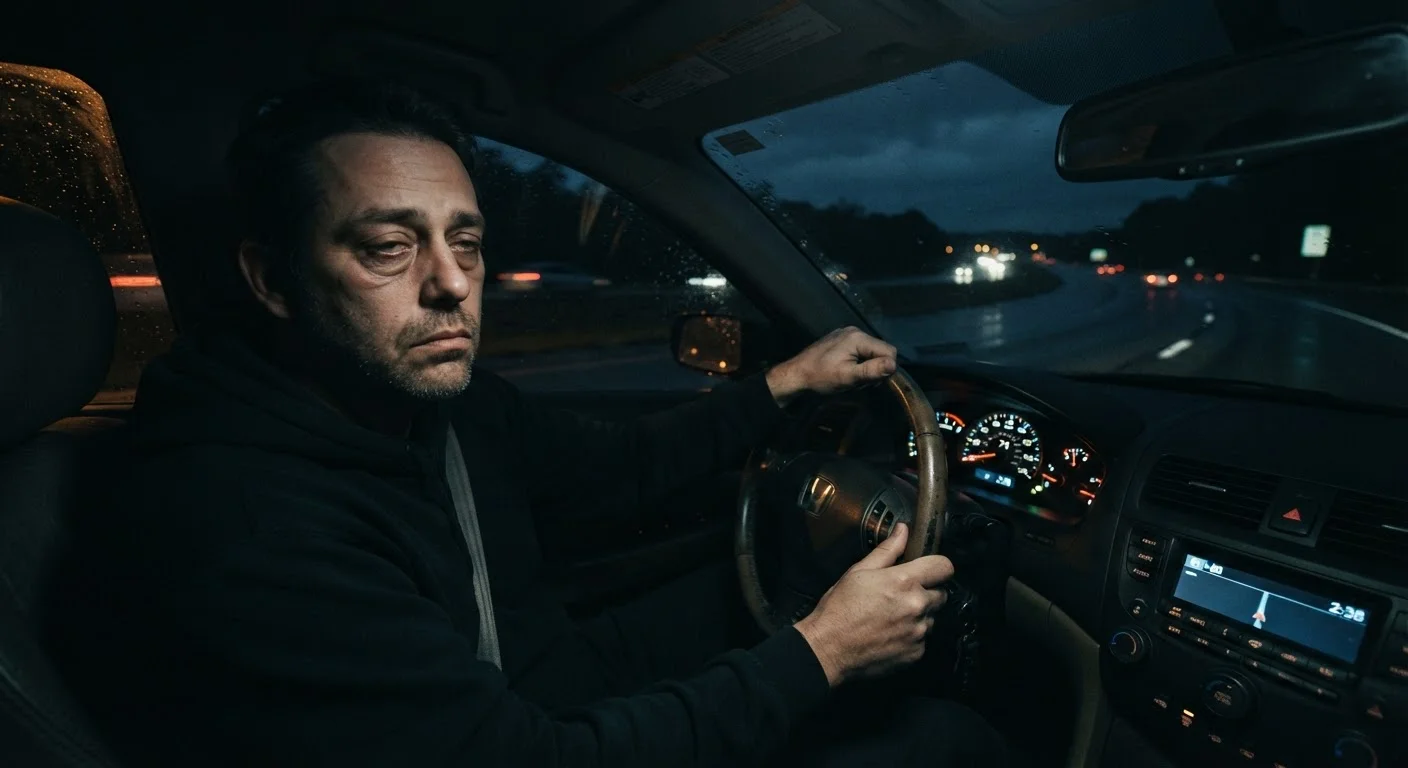
Photo credit: SnippetColumns.com | Easy Search, Reliable Information
Drowsy driving myths debunked: why caffeine and cold air aren't reliable fixes, and what research-backed strategies genuinely reduce fatigue risk.
Key Takeaways
- Drivers routinely underestimate their own impairment because fatigue dulls self-awareness.
- Caffeine and cold air provide only short-term alertness gains and are not substitutes for sleep.
- Pulling over for a short nap is among the most effective science-backed interventions available.
- Driving between midnight and 6 a.m. significantly elevates crash risk regardless of how rested you feel.
- Planning rest stops before a long trip is more effective than reacting to fatigue mid-drive.
The Self-Assessment Problem
Ask most drivers whether they're too tired to drive, and they'll give you a confident answer. The trouble is, that confidence itself is a symptom. Research consistently shows that sleep-deprived people are poor judges of their own impairment — the same cognitive decline that makes driving dangerous also undermines a driver's ability to recognize it's happening.
This isn't a character flaw; it's neuroscience. The prefrontal cortex — the part of the brain responsible for self-monitoring and judgment — is among the first systems degraded by sleep loss. So when you feel "fine to drive," fatigue may already be affecting your reaction time, lane-keeping, and hazard detection.
That gap between perceived and actual impairment is exactly why drowsy driving myths persist. Drivers want quick, accessible fixes — and there's no shortage of folk remedies promising to fill that gap. Unfortunately, most don't hold up.
Myth
Turning up the air conditioning or opening the window will keep me alert enough to drive safely.
Fact
Cold air may produce a brief jolt of sensory stimulation, but it does not address the underlying neurological impairment caused by sleep deprivation.
The alerting effect of cold air is real but extremely short-lived — typically measured in seconds to a couple of minutes. It addresses discomfort, not the degraded neural processing that makes fatigued driving dangerous. Studies measuring driving performance find no sustained improvement from environmental stimulants like cold air or loud music. If anything, relying on these tricks can create false confidence that delays the more effective response: stopping to rest.
Myth
A strong cup of coffee will make me safe to drive for another few hours.
Fact
Caffeine can temporarily reduce the sensation of sleepiness but does not restore the reaction time, decision-making speed, or hazard-detection ability lost to fatigue.
Caffeine works by blocking adenosine receptors — the brain's chemical signal for sleepiness — not by reversing the functional impairment accumulated from insufficient sleep. Drivers who consume caffeine may feel more awake while still performing measurably worse on tasks requiring sustained attention and fast reflexes. Caffeine also has a ceiling effect and causes rebound fatigue once it clears the system. It's a useful short-term tool in a broader strategy, not a standalone solution.
Myth
If I were dangerously tired, I'd know it — I'd feel my eyes closing.
Fact
Fatigue impairs the very cognitive faculties needed to accurately assess your own alertness; many drivers are significantly impaired before they notice obvious physical signs.
One of the most counterintuitive aspects of sleep deprivation research is that subjective sleepiness ratings often diverge sharply from objective performance measures. Drivers can experience microsleeps — brief, involuntary lapses in consciousness lasting one to five seconds — without ever registering them as sleep. At highway speeds, even a two-second microsleep means traveling roughly 180 feet with no conscious control of the vehicle. Warning signs like yawning, heavy eyelids, or drifting lanes are late indicators, not early ones.
Myth
Younger drivers and experienced drivers are less affected by fatigue behind the wheel.
Fact
Neither youth nor driving experience provides meaningful protection against the neurological effects of sleep loss.
In fact, crash data from organizations like the National Highway Traffic Safety Administration (NHTSA) suggests that young drivers — particularly those aged 16 to 24 — are overrepresented in drowsy-driving crashes, partly because of lifestyle factors that reduce sleep duration and quality. Experience behind the wheel does not compensate for impaired reaction time or compromised judgment. The brain's vulnerability to sleep deprivation is consistent across skill levels.
Myth
Drowsy driving is only a risk on overnight trips or very long drives.
Fact
Fatigue-related impairment can occur on short, familiar routes — especially during the body's natural afternoon alertness dip or after poor sleep the night before.
Many drowsy-driving incidents occur within short distances of the driver's home, often on familiar roads where monotony compounds the problem. The afternoon window roughly between 1 p.m. and 3 p.m. is a documented low-alertness period tied to circadian biology, not just meal size. A driver running on five hours of sleep who takes a 20-minute commute during this window may be carrying meaningful impairment despite the short distance and familiar route.
What the Evidence Actually Supports
Once you set aside the unreliable shortcuts, a clearer picture emerges of what genuinely reduces fatigue risk on long drives.
~100,000
Police-reported drowsy-driving crashes annually (U.S.)
According to NHTSA estimates, drowsy driving is a contributing factor in tens of thousands of reported crashes each year, with actual figures likely higher due to underreporting.
17–19 hrs
Wakefulness equivalent to 0.05% blood alcohol
Research has found that staying awake for 17 to 19 hours produces cognitive impairment comparable to a measurable blood alcohol concentration — even with no alcohol involved.
20 min
Recommended nap length during rest stops
Sleep researchers generally suggest naps of around 20 minutes to boost alertness without triggering full sleep inertia, which can temporarily worsen grogginess.
Planned rest breaks work. Stopping every two hours or roughly every 100 miles — even when you don't feel tired — helps interrupt the gradual accumulation of fatigue before it becomes dangerous. The key word is planned: deciding in advance where you'll stop is more reliable than trusting yourself to recognize impairment mid-route.
Short naps before or during a drive are effective. A 20-minute nap before a long trip, or during a rest stop, can meaningfully restore alertness. Some research has examined combining a short nap with caffeine intake beforehand — the idea being that caffeine takes roughly 20 minutes to absorb, so you wake up as it kicks in. This approach may help, but it's not a substitute for adequate pre-trip sleep.
Avoiding high-risk hours matters. The body's circadian rhythm creates predictable dips in alertness, particularly between midnight and 6 a.m. and again in mid-afternoon. If your route allows flexibility, scheduling the most demanding driving segments outside these windows reduces baseline risk.
Good preparation before a trip also includes the practical side of road readiness — tire pressure, fluid levels, and fuel planning. Our guide on fuel economy on long drives covers the habits that make a measurable difference once you're on the road.
Don't Rely on Feeling 'Almost There'
Pushing through the last hour of a long drive because you're close to your destination is a common and risky decision. Fatigue accumulates over the course of a drive, meaning impairment is typically highest near the end — not the beginning. If you're noticing any warning signs, treat them as a signal to stop, not as motivation to push through.
If you're a driver who also carries commercial auto coverage or frequently drives for work, it's worth reviewing whether your policy adequately reflects those risks. Gaps in auto insurance often go unnoticed until they matter most.
Just as car maintenance myths cost drivers real money, fatigue myths can cost something far more serious. Building smarter habits starts with replacing comfortable assumptions with accurate information.
This article is for general informational purposes only and does not constitute medical or safety advice. Consult a qualified professional for guidance specific to your circumstances.

Author
Autos & Driving Editorial Team
Autos & Driving Editorial Team is the collective byline for our editorial team and contributor network. Articles published under this byline or an editorial pen name are researched, written, and reviewed according to our editorial standards for clarity, consistency, and independence before publication.
View all articles →