
Why Drivers End Up Underinsured - And How to Spot the Gaps
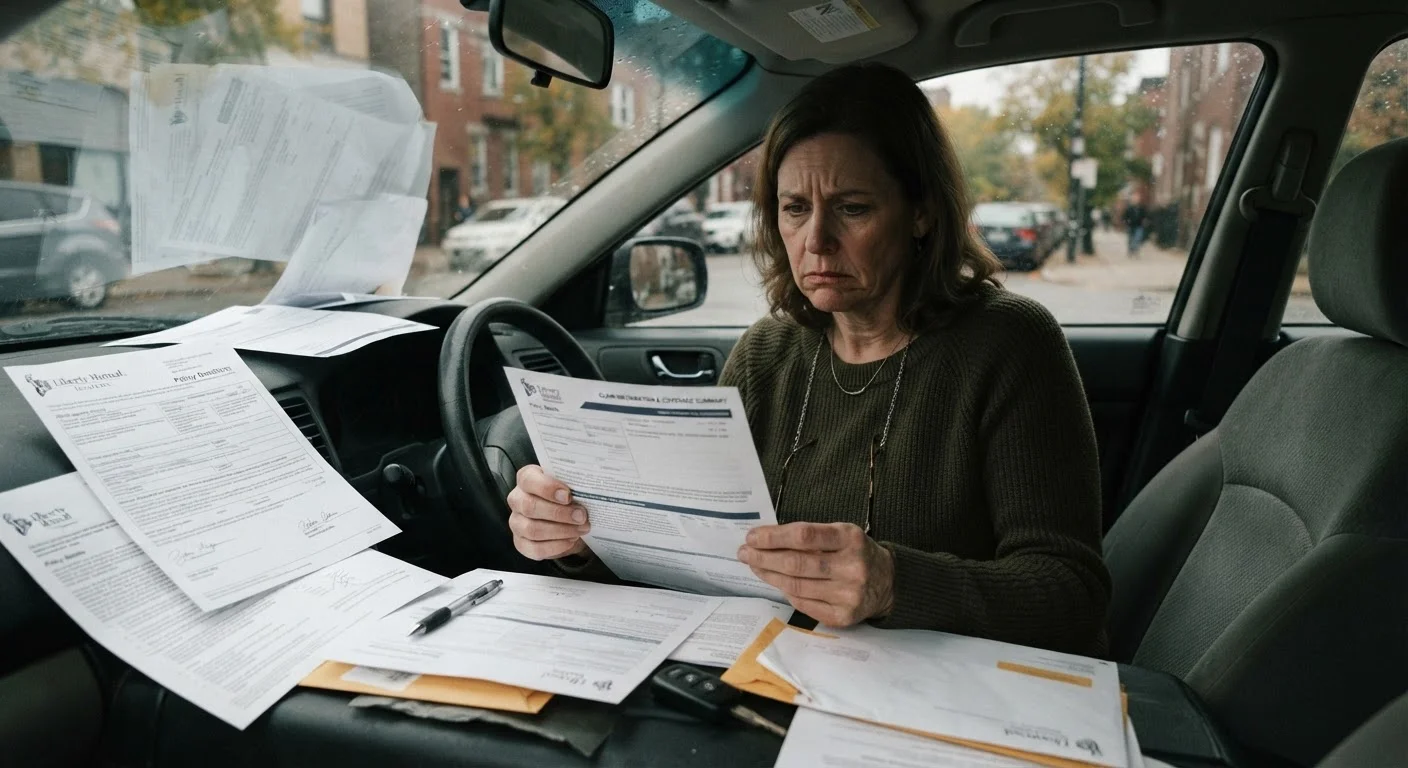
Photo credit: SnippetColumns.com | Easy Search, Reliable Information
In this article
Skipping uninsured motorist coverage, misunderstanding deductibles, ignoring policy limits — here's how these gaps happen and what they risk.
Key Takeaways
- State minimum liability limits are often far too low to cover serious accident costs.
- Skipping uninsured motorist coverage leaves you exposed if the at-fault driver has no insurance.
- Misunderstanding deductibles can result in unexpected out-of-pocket expenses after a claim.
- Life changes - a new car, new driver, or longer commute - can quietly void adequate coverage.
- Reviewing your policy annually is the most reliable way to catch dangerous gaps before they matter.
The Gap Between Legal and Actually Protected
Having auto insurance and being adequately insured are two different things. Millions of American drivers technically meet their state's legal requirements but carry coverage that would leave them financially exposed after any serious accident. Understanding where those gaps typically form - and why - is the first step toward fixing them.
Most coverage gaps aren't the result of recklessness. They come from decisions that seemed reasonable at the time: choosing a lower premium, skipping optional add-ons, or simply never revisiting a policy after signing up. The full picture of how auto insurance works is more layered than a quick online quote suggests.
State Minimums Are Not Adequate Protection
Carrying only your state's required minimum liability coverage is legal, but it's rarely sufficient. Medical bills and property damage from a serious accident can exceed minimum limits by tens of thousands of dollars - leaving you personally responsible for the difference. Review your liability limits against realistic local costs, not just the legal floor.
Common Mistakes That Leave Drivers Exposed
The errors below account for the majority of underinsurance situations that drivers face. Each one is avoidable - once you know what to look for.
Relying on state minimum liability limits as sufficient coverage.
Why it happens: Drivers often choose minimums to lower their premium, assuming legal compliance equals adequate protection.
Skipping uninsured or underinsured motorist coverage.
Why it happens: This coverage feels redundant - if the other driver causes the accident, their insurance should pay. But roughly one in eight drivers nationally carries no insurance at all.
Misunderstanding how deductibles apply to a claim.
Why it happens: Many drivers set a high deductible to reduce premiums without thinking through what they'd actually owe after a collision or theft.
Failing to update coverage after major life changes.
Why it happens: Policies are easy to set and forget. A new vehicle, a teenage driver in the household, or a longer commute can all alter your risk profile without triggering automatic policy updates.
Assuming collision and comprehensive coverage are the same thing.
Why it happens: These two coverages are often sold together and lumped under 'full coverage,' leading drivers to think one covers what the other actually handles.
If any of these scenarios sound familiar, now is a good time to pull out your declarations page. If insurance terminology is holding you back, the auto insurance glossary breaks down 40 key terms in plain language.
How to Check Your Own Policy for Gaps
Spotting gaps doesn't require an insurance background. Start with your declarations page - the summary document that lists every coverage type, its limit, and your deductible. Verify that the limits reflect realistic costs, not just the minimum your state requires.
1 in 8
Drivers on U.S. roads with no insurance
According to the Insurance Research Council, an estimated one in eight drivers nationally is uninsured, a figure that varies significantly by state.
~30%
Drivers carrying only state minimum liability
Industry surveys consistently show a substantial share of insured drivers carry only the legally required minimum, which may be far below what a serious accident costs.
Next, check for coverages you may have assumed were included. Rental reimbursement, roadside assistance, and gap insurance (which covers the difference between what you owe on a loan and what your insurer pays if the car is totaled) are almost always optional add-ons.
Don't Assume Your Policy Covers Everything
Auto insurance policies are defined by what they explicitly include - not by what seems reasonable to expect. Rental reimbursement, roadside assistance, and gap coverage are typically add-ons, not defaults. Read your declarations page carefully and ask your insurer to clarify any coverage you assume is automatic.
Life changes are another trigger worth taking seriously. Moving, adding a teenage driver, financing a new vehicle, or significantly changing your commute can all shift your coverage needs. The guide to keeping your policy current walks through the most common update scenarios. And if you've been confused by the difference between collision and comprehensive, clarifying what each covers is a useful next step.
This article is for general informational purposes only and does not constitute personalized insurance or financial advice. Coverage options, limits, and regulations vary by provider and state. Consult a licensed insurance agent or adviser to evaluate your specific situation.

Author
Autos & Driving Editorial Team
Autos & Driving Editorial Team is the collective byline for our editorial team and contributor network. Articles published under this byline or an editorial pen name are researched, written, and reviewed according to our editorial standards for clarity, consistency, and independence before publication.
View all articles →