
Building a Weekly Movement Routine When You Have No Fixed Schedule
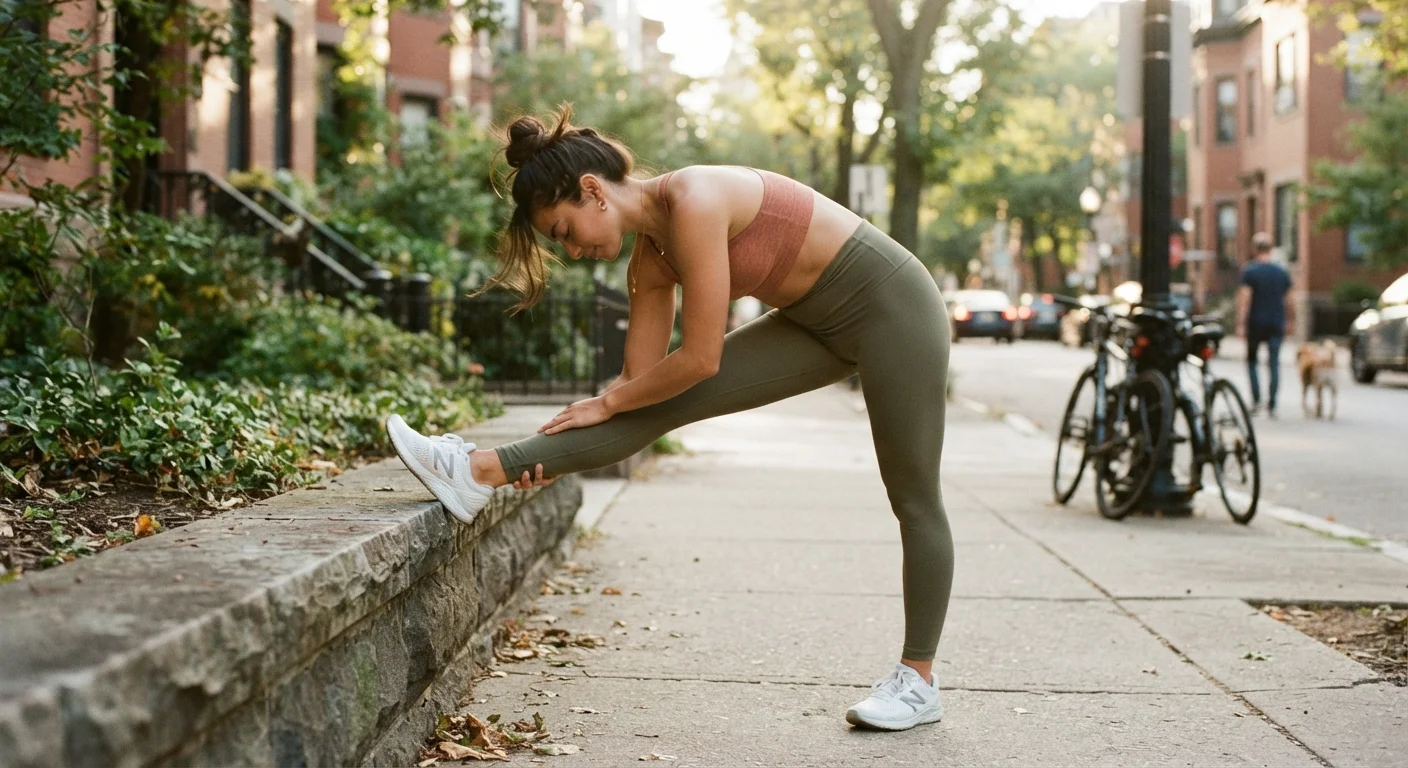
Photo credit: SnippetColumns.com | Easy Search, Reliable Information
In this article
Irregular hours don't have to mean irregular fitness. Learn how to design a flexible movement plan that holds up in real life.
Key Takeaways
- A flexible movement plan based on time blocks beats a rigid gym schedule for irregular lifestyles.
- Anchoring movement to existing daily cues — not clock times — builds more durable habits.
- Short sessions of 10–20 minutes can meaningfully contribute to weekly activity goals.
- Tracking availability rather than tracking workouts removes guilt and reveals real patterns.
- Variety in movement type reduces boredom and supports different aspects of physical health.
Why Fixed-Schedule Thinking Fails Irregular Lives
Most movement advice is written for people with predictable 9-to-5 schedules. For freelancers, shift workers, caregivers, and anyone whose week looks different every week, rigid workout plans tend to collapse within days — not because of lack of willpower, but because the structure simply doesn't fit reality.
The fix isn't more discipline. It's a different design. When you build a movement routine around flexibility rather than fixed times, you remove the primary reason most people quit. Just as budgeting strategies need to adapt for unpredictable income — much like the approach described in budgeting on an irregular income — movement plans need to adapt for unpredictable time.
This Is General Information, Not Medical Advice
The guidance in this article is intended for general educational purposes. It is not a substitute for advice from a qualified healthcare professional. Before starting any new physical activity program — especially if you have a chronic condition, injury, or health concern — consult your doctor or a licensed exercise professional.
The steps below walk you through building that adaptable structure, starting with understanding your actual available time rather than your ideal available time.
What You'll Need Before You Start
What you will need
Weekly availability log
Track which time windows opened up each day so you can spot real patterns over two to three weeks.
Timer or phone stopwatch
Keep short sessions honest — even 10 minutes of focused movement counts when done deliberately.
Resistance bands or bodyweight-only exercises
Portable, equipment-free options let you move anywhere without needing a gym.
No gym membership is required. The goal here is sustainable, low-barrier movement that fits into gaps rather than demanding dedicated blocks of carved-out time.
How to Build Your Flexible Movement Routine
Audit your actual time, not your ideal time
For one full week, note every gap of 10 minutes or more that appeared in your day — between tasks, after meals, before calls. Don't plan movement yet. Just observe. You'll likely find that free time does exist; it's just unpredictable in its placement.
Define your minimum weekly movement target
General public health guidance — such as that issued by the U.S. Department of Health and Human Services — suggests adults aim for at least 150 minutes of moderate-intensity activity per week. Break this into whatever chunks fit your life: three 50-minute sessions, five 30-minute sessions, or even ten 15-minute windows. The total is what matters, not the session format.
Choose two or three movement types that require minimal setup
Low-barrier options reduce the gap between intention and action. Walking, bodyweight exercises, yoga flows, and stretching routines all require no travel and no equipment. Bodyweight training is a particularly practical starting point. Having two or three formats on hand means you can match the session to the time you actually have.
Assign movement to cues, not clock times
Instead of scheduling a run at 7 a.m. daily, anchor movement to consistent events: after your first meal, before your last work task of the day, or when a recurring meeting ends early. These cue-based triggers survive schedule disruption far better than fixed times do.
Build a weekly template — not a weekly plan
A template says: "I'll move three to four times this week, for at least 15 minutes each time, using whatever time opens up." A rigid plan says: "Monday at 6 a.m., Wednesday at noon, Friday at 5 p.m." Templates flex; rigid plans break. Revisit your template each Sunday and adjust based on the upcoming week's known constraints.
Realistic exercise options for busy weekdays can help you fill in what a 15–30 minute session might actually look like.
Review and adjust after each week
At the end of each week, spend five minutes noting what worked and what didn't. Did a particular cue reliably trigger movement? Did a certain session length fit better than others? Small, data-informed tweaks over four to six weeks will produce a routine far more tailored to your actual life than any pre-made program can offer.
Stack Movement Onto What You Already Do
Behavioral research consistently shows that linking a new habit to an existing behavior — called habit stacking — makes it easier to sustain. Walking after lunch, stretching before a morning coffee, or doing bodyweight exercises after a work call ends all use this principle. See what habit science says about making movement stick for a deeper look.
Avoid the All-or-Nothing Trap
One of the most common reasons people abandon movement routines is expecting perfection. Missing a planned session is not failure — it's data. Adjust your plan rather than scrapping it. Consistency over weeks matters far more than a perfect single week.
Staying Consistent When Life Disrupts the Plan
The weeks that derail routines are the weeks that teach you the most. When a session gets skipped, resist the impulse to abandon the week. A shorter-than-planned walk still counts. Stretching for eight minutes still counts. Movement doesn't have a minimum viable dose that requires hitting an exact target.
Over time, your weekly reviews will reveal which cues and formats are genuinely durable for your life, and which were aspirational. That self-knowledge is more valuable than any pre-packaged fitness program. For those looking to explore no-equipment options further, home workouts without equipment offers a practical foundation to draw from.
This article is for general informational and educational purposes only and does not constitute medical or fitness advice. Consult a qualified healthcare professional before beginning any new exercise program, particularly if you have existing health conditions or injuries.

Author
Health & Wellness Editorial Team
Health & Wellness Editorial Team is the collective byline for our editorial team and contributor network. Articles published under this byline or an editorial pen name are researched, written, and reviewed according to our editorial standards for clarity, consistency, and independence before publication.
View all articles →