
Home Workouts Without Equipment: A Starter's Map to Bodyweight Training
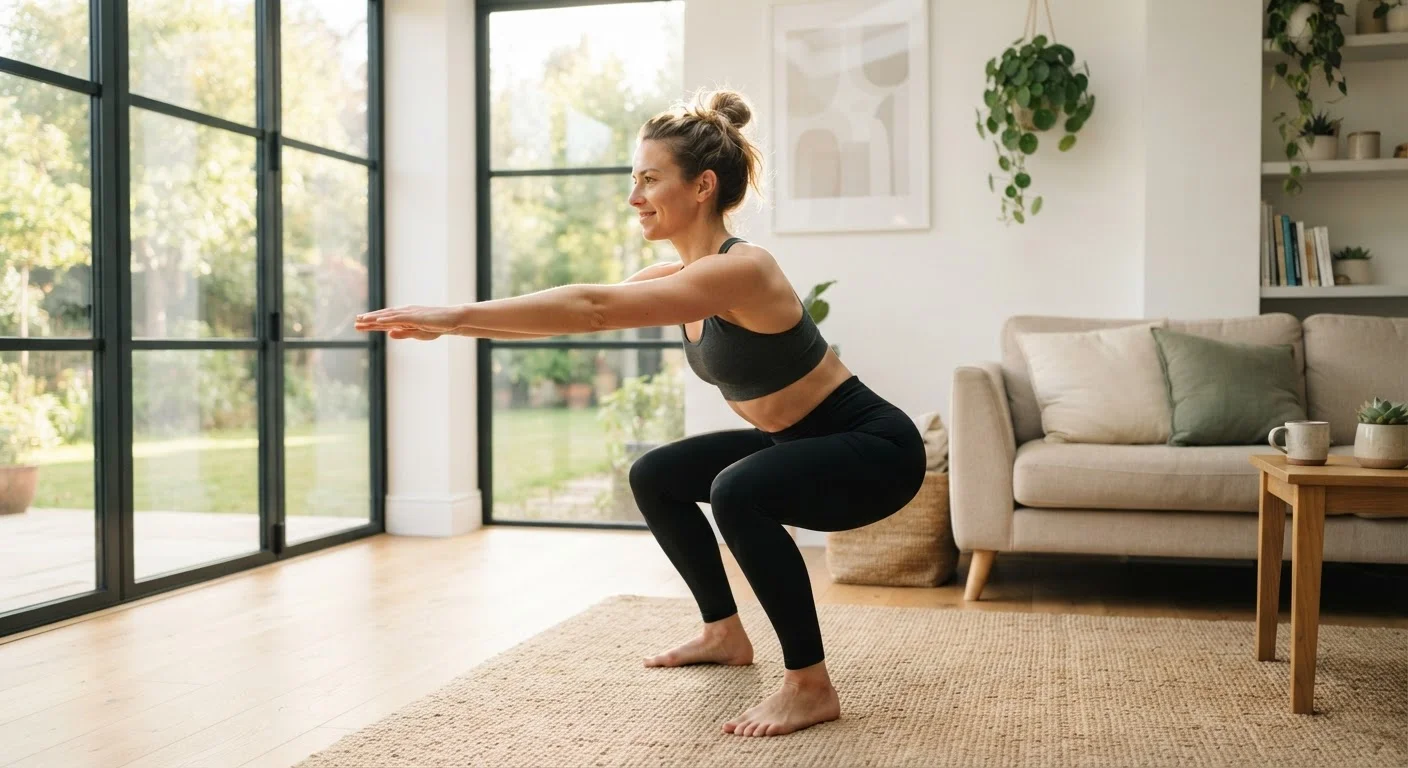
Photo credit: SnippetColumns.com | Easy Search, Reliable Information
In this article
No gym, no gear — no problem. This guide covers the foundations of bodyweight movement so you can start training anywhere.
Key Takeaways
- Bodyweight training builds real strength and endurance with zero equipment.
- Six foundational movement patterns cover the needs of most beginners.
- A short, simple routine done consistently outperforms an elaborate plan done rarely.
- Progress comes from changing difficulty — not always adding weights.
- Movement habits are easier to maintain when they fit your actual schedule.
Why Bodyweight Training Works
The idea that you need a gym membership, racks of dumbbells, or expensive machines to get fit is simply not supported by exercise science. Your body provides all the resistance you need. Movements like squats, push-ups, and planks load your muscles, challenge your cardiovascular system, and improve mobility — without a single piece of equipment.
Bodyweight training also removes the most common barrier to starting: access. You can train in your bedroom, a hotel room, or a small patch of grass. That frictionless entry point matters, because the workouts you actually do are always more valuable than the ones you plan to do when conditions are perfect.
Before diving in, check out the preparation checklist for new fitness routines — it covers helpful groundwork like understanding your baseline and knowing when to loop in a healthcare professional.
Bodyweight training
Exercise that uses your own body mass as resistance instead of weights or machines. Examples include push-ups, squats, and planks.
Progressive overload
Gradually increasing the challenge placed on your muscles over time so they continue to adapt and grow stronger. This can mean more reps, slower tempo, or harder exercise variations.
Time under tension
The total amount of time your muscles are working during a set. Slowing down a movement increases time under tension and can make an exercise more challenging.
Movement pattern
A category of physical motion — like pushing, pulling, or squatting — that groups exercises by the way your body moves rather than by muscle name.
Recovery
The rest period between training sessions when your body repairs muscle tissue and grows stronger. Rest days are a necessary part of any training plan.
The Core Movement Patterns to Know
Rather than memorizing a long list of exercises, beginners benefit more from understanding the six foundational movement patterns that bodyweight training is built on. Most exercises are just variations of one of these:
- Squat: Lowering and raising your body through knee and hip bend. Builds leg and glute strength.
- Hinge: Pushing your hips back while keeping a long spine. Think glute bridges and single-leg deadlifts.
- Push: Pressing your body away from a surface. Push-ups and their variations train chest, shoulders, and triceps.
- Pull: Drawing your body toward something. Easier to train without equipment using towel rows or doorframe exercises.
- Core bracing: Maintaining a stable trunk under load. Planks, dead bugs, and bird dogs fit here.
- Locomotion: Moving through space — walking lunges, lateral shuffles, jumping — training coordination and endurance together.
Touch each of these patterns in a session and you have a genuinely complete workout. You don't need dozens of exercises; you need quality repetitions across these categories.
If you're weighing whether to add cardio-focused work alongside this, our guide on strength training versus cardio lays out how to think about the balance.
Building Your First Routine
A starter routine doesn't need to be long. Three sessions per week of 20–30 minutes, each covering the core patterns, is a strong foundation. Here's what a simple session structure looks like:
- Warm-up (5 min): Marching in place, arm circles, hip openers.
- Main work (15–20 min): Choose one exercise per movement pattern. Perform 2–3 sets of 8–12 controlled repetitions, resting 60–90 seconds between sets.
- Cool-down (5 min): Gentle stretching focused on the muscles you worked.
Example movement choices for beginners: bodyweight squat, glute bridge, push-up (from knees if needed), towel row, forearm plank, and walking lunges. Rotate or swap exercises week to week to keep things fresh without losing structure.
Make Your First Session Embarrassingly Easy
Beginners consistently benefit more from starting easier than they think they should. Choosing manageable variations and stopping before exhaustion keeps soreness mild and makes the next session feel approachable. Building the habit of showing up is the real goal in weeks one and two — intensity can increase once the routine is established.
If your schedule is irregular, building a flexible weekly movement routine offers practical strategies for fitting sessions into unpredictable days.
Progressing Over Time Without Adding Equipment
One of the most common beginner misconceptions is that progress requires adding weight. With bodyweight training, progression comes from manipulating other variables:
- Leverage: Move from a wall push-up to a floor push-up to feet-elevated push-up. The same movement becomes significantly harder.
- Range of motion: Deepening a squat or extending a hip hinge increases demand on your muscles.
- Tempo: Slowing the lowering phase — a 3-second descent on a squat — increases time under tension.
- Volume: Gradually increasing sets or reps over weeks challenges your system without changing the exercise.
- Single-limb work: Moving from two-legged squats to assisted single-leg squats dramatically increases difficulty.
Track your sessions simply — a notebook or a basic notes app works fine. Record what you did and aim to improve one variable every one to two weeks. This consistent, modest progression is what drives long-term adaptation.
Don't Skip Rest to Speed Up Progress
Training the same muscle groups daily without adequate recovery can increase injury risk and actually stall progress. Your muscles grow stronger during rest, not during the workout itself. If you want to be active every day, alternate which muscle groups you focus on, or include a dedicated low-intensity movement day such as walking or gentle stretching.
Staying Consistent When Motivation Fades
Motivation is unreliable. What keeps people training long-term is structure, identity, and enjoyment — not a constant supply of enthusiasm. A few evidence-informed strategies help bridge the gap:
- Anchor workouts to existing habits. Training right after your morning coffee or before your shower removes the need to make a fresh decision each day.
- Set a minimum viable session. On low-energy days, commit to just 10 minutes. Starting almost always leads to finishing, and a short session is infinitely better than skipping.
- Track completion, not perfection. Marking a session done — regardless of how it went — builds the identity of someone who moves regularly.
- Vary within structure. Keeping the same framework but rotating exercises prevents boredom without losing your training base.
Movement and mental wellbeing are closely linked. If you're finding it hard to stay motivated, everyday mental wellness practices can complement the physical work you're building here.
This article provides general fitness information for educational purposes only and is not a substitute for personalized advice from a qualified healthcare or fitness professional. If you have any health conditions or injuries, consult a professional before beginning a new exercise program.
Frequently Asked Questions

Author
Health & Wellness Editorial Team
Health & Wellness Editorial Team is the collective byline for our editorial team and contributor network. Articles published under this byline or an editorial pen name are researched, written, and reviewed according to our editorial standards for clarity, consistency, and independence before publication.
View all articles →