
Short on Time: Realistic Exercise Options for Busy Weekdays
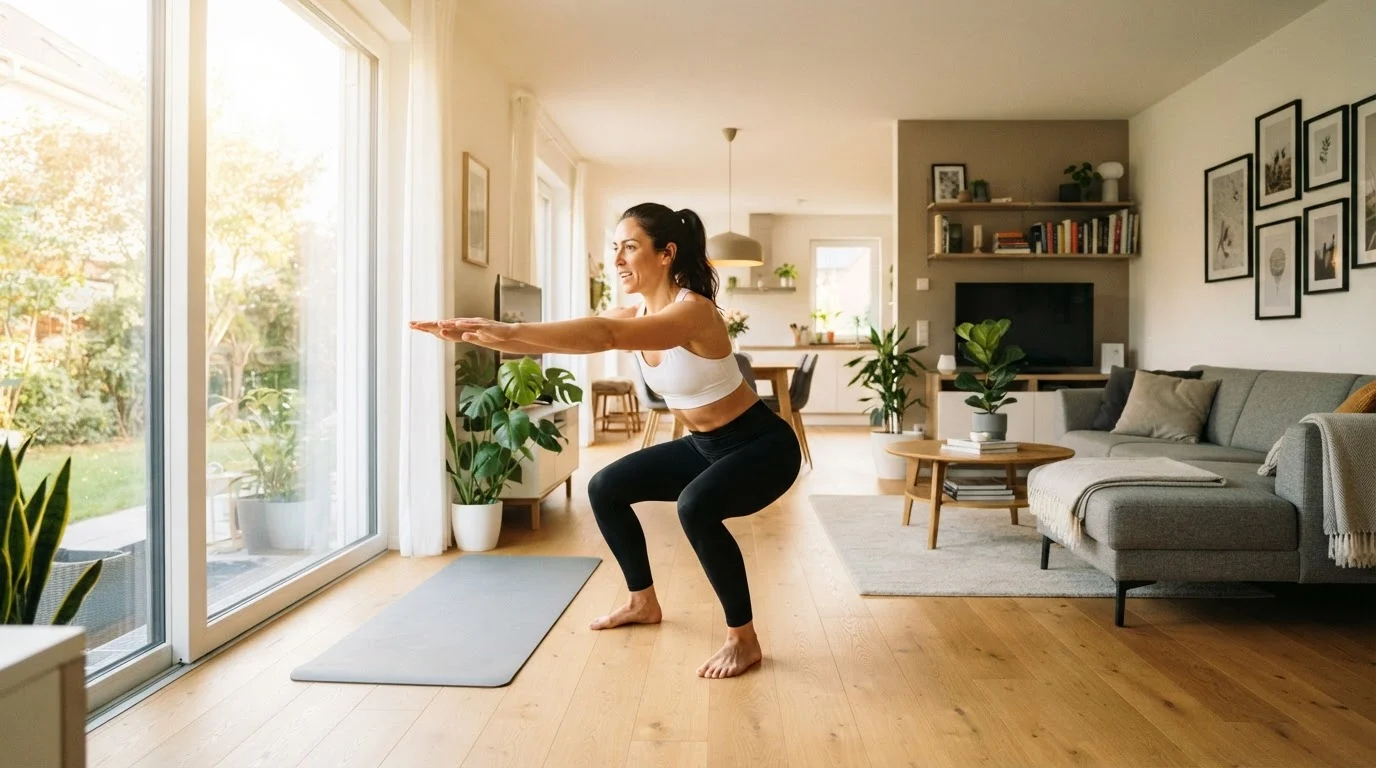
Photo credit: SnippetColumns.com | Easy Search, Reliable Information
When you have 15 to 30 minutes, what kind of movement gives you the most return? A look at practical options for tight schedules.
Key Takeaways
- Short workouts of 15–30 minutes can deliver real fitness benefits when done consistently.
- Bodyweight exercises, brisk walks, and interval training require no gym or equipment.
- Habit-stacking — attaching movement to existing daily routines — improves consistency significantly.
- Variety in movement type helps maintain motivation and reduces overuse risk.
- Rest and recovery are part of any effective exercise routine, not signs of laziness.
Why Short Workouts Actually Work
The biggest barrier most people face isn't motivation — it's the belief that exercise has to be long to be worthwhile. Public health guidelines from organizations like the CDC and WHO support the idea that even shorter bouts of moderate-intensity movement, accumulated across the week, contribute meaningfully to cardiovascular health, strength, mood, and energy levels. You don't need two hours and a gym membership. You need a realistic plan you'll actually follow.
If you're building consistency for the first time or returning after a gap, see what to expect in your first month of regular exercise for an honest look at early progress. And if you're wondering how to make any routine stick long-term, behavioral research on movement habits offers practical insight into why most people quit — and what works instead.
The six options below are designed for real weekdays: unpredictable, packed, and not always conducive to long gym sessions.
Brisk Walking (15–30 minutes)
Walking is consistently underrated. A brisk pace — one that raises your heart rate and makes conversation slightly effortful — qualifies as moderate-intensity aerobic activity. Research consistently links regular walking to lower cardiovascular risk, improved mood, and better blood sugar regulation. It requires no equipment, no preparation, and almost no recovery time.
Use a lunch break, a commute segment, or a post-dinner slot. Walking outside adds a bonus: natural light exposure, which supports circadian rhythms and can help with afternoon energy dips. If you're curious about how this compares to higher-effort cardio formats, Zone 2 training operates on a similar low-to-moderate intensity principle.
A brisk 20-minute walk qualifies as moderate-intensity aerobic exercise — no gym required.
Bodyweight Circuit Training (15–20 minutes)
Squats, push-ups, lunges, planks, and glute bridges can be combined into a circuit that challenges both muscular endurance and your cardiovascular system. Moving between exercises with minimal rest keeps your heart rate elevated while building functional strength — the kind that supports everyday movement like carrying groceries or climbing stairs.
A simple structure: pick four to six exercises, perform each for 30–45 seconds, rest briefly, and repeat two or three rounds. No weights, no machine, no commute. This format is especially effective for mornings when you want to feel activated before a sedentary workday.
Four to six bodyweight exercises, cycled for 15 minutes, can train both strength and cardio simultaneously.
High-Intensity Interval Training (10–20 minutes)
HIIT alternates short bursts of high-effort movement with brief recovery periods. Research suggests that HIIT can produce cardiovascular and metabolic adaptations in less total time than steady-state moderate exercise — though it's worth noting this style is more demanding on the body and isn't appropriate for everyone, particularly those new to exercise or with certain health conditions.
If you've been inactive for a while, returning to exercise after a long break outlines how to ease in safely before attempting high-intensity formats. When done appropriately, even a 15-minute HIIT session can be a meaningful workout on a time-compressed day.
HIIT can be effective in under 20 minutes, but it's not the right starting point for everyone.
Yoga or Mobility Work (15–30 minutes)
Movement isn't only about cardiovascular output or muscle load. Structured stretching, yoga flows, and dedicated mobility sessions address joint health, posture, and recovery — all of which matter for people sitting at desks for extended periods. A focused 20-minute yoga or mobility session can reduce muscular tension, improve range of motion, and support mental focus.
This format also pairs naturally with cool-down after more intense workouts. For guidance on how stretching fits around exercise, stretching before vs. after exercise breaks down the evidence clearly. Yoga is also well-documented for its effects on stress and sleep quality — benefits that extend well beyond physical fitness.
Mobility and yoga sessions count as recovery-forward movement that supports long-term consistency.
Stair Climbing and Incidental Movement
Not all meaningful movement has to be planned as a workout. Choosing stairs over elevators, standing during calls, doing a few sets of calf raises while waiting for coffee to brew, or parking further away from an entrance all accumulate into something real over the course of a day. Exercise scientists refer to this as NEAT — Non-Exercise Activity Thermogenesis — and it plays a measurable role in overall daily energy expenditure.
For people with very fragmented schedules, treating movement as modular rather than monolithic makes it far more sustainable. A flexible weekly movement plan can help you weave these micro-bouts into a coherent approach that adds up meaningfully.
Small, frequent movement throughout the day contributes to health in ways formal workouts can't always replicate.
Strength Training with Minimal Equipment (20–30 minutes)
A pair of adjustable dumbbells or a set of resistance bands opens up a full-body strength routine without requiring a gym. Compound movements — exercises that work multiple muscle groups simultaneously, such as rows, presses, deadlifts, and goblet squats — allow you to accomplish more in less time. Strength training supports bone density, metabolic health, and functional capacity across all age groups.
If you're weighing whether to prioritize strength or cardio in your limited time, strength training vs. cardio offers a nuanced comparison. And for those thinking about how exercise needs shift across life stages, movement across different decades is a useful reference.
Compound strength movements with minimal equipment deliver full-body results in 20 to 30 minutes.
Fitting Movement Into an Already Full Day
Consistency matters more than intensity, especially at the start. Once you've identified which formats feel manageable, consider habit-stacking: pairing movement with something you already do. A walk after lunch, a 15-minute bodyweight circuit before your morning shower, or a stretch session after putting kids to bed all remove the need for extra scheduling.
Start with One, Not Six
Choosing one format from this list and repeating it three times in a week will do more for your fitness than attempting all six and burning out. Behavioral research consistently shows that small, repeated actions build habits faster than large, irregular efforts. Once one format feels automatic, layering in variety becomes much easier.
For readers with genuinely unpredictable hours, building a movement routine without a fixed schedule breaks down how to plan flexibly without losing momentum. And once you're moving regularly, understanding rest days will help you treat recovery as a feature of your routine, not a failure of it.
This article is for general informational and educational purposes only and is not a substitute for professional medical advice. Consult a qualified healthcare provider before starting any new exercise program, especially if you have existing health conditions or concerns.

Author
Health & Wellness Editorial Team
Health & Wellness Editorial Team is the collective byline for our editorial team and contributor network. Articles published under this byline or an editorial pen name are researched, written, and reviewed according to our editorial standards for clarity, consistency, and independence before publication.
View all articles →