
Meditation vs. Deep Breathing: Which Calming Practice Fits Your Life?
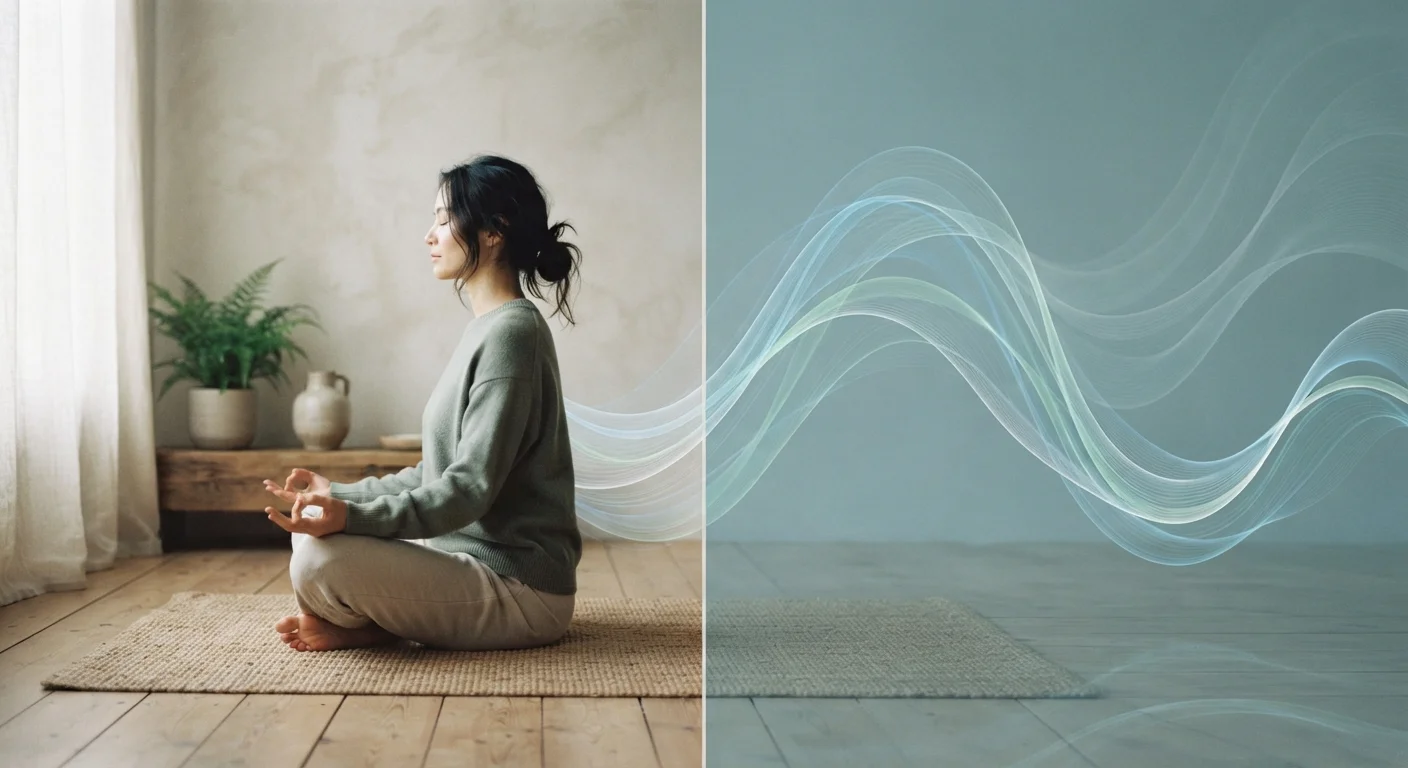
Photo credit: SnippetColumns.com | Easy Search, Reliable Information
In this article
Both meditation and breathwork can reduce stress — but they work differently. Here's how to figure out which suits your schedule and temperament.
Key Takeaways
- Deep breathing produces faster physiological relief by directly activating the parasympathetic nervous system.
- Meditation builds cumulative mental skills like attention regulation and emotional resilience over time.
- Both practices have genuine research support; neither is universally superior to the other.
- Deep breathing requires no prior experience and can be done in under two minutes anywhere.
- Meditation typically requires consistent practice — often weeks — before noticeable benefits compound.
- Many people find the two practices work well together rather than as competing alternatives.
How Each Practice Actually Works
Meditation and deep breathing both reduce stress, but they do so through different mechanisms — and understanding that distinction helps you pick the right tool for the right moment.
Deep breathing works primarily through the body. Slow, controlled breaths — particularly long exhales — stimulate the vagus nerve and activate the parasympathetic nervous system, often called the "rest and digest" response. This directly counters the fight-or-flight state, lowering heart rate and easing muscle tension relatively quickly. Techniques vary: diaphragmatic breathing, box breathing (inhale, hold, exhale, hold in equal counts), and 4-7-8 breathing are among the most studied patterns.
Meditation works primarily through attention training. Rather than targeting physiological arousal first, it asks the mind to notice what it's doing — observing thoughts, sensations, or breath — without immediately reacting. Over time, this repeated practice appears to strengthen the prefrontal cortex's ability to regulate emotional responses. Research published in journals like JAMA Internal Medicine has found that mindfulness meditation programs can meaningfully reduce symptoms of anxiety and depression, though most studies involve structured multi-week programs, not single sessions.
In short: breathing tends to calm the body first, which calms the mind. Meditation tends to train the mind over time, which changes how the body responds to stress in the future.
| Criterion | Meditation | Deep Breathing |
|---|---|---|
| Primary mechanism | Attention and emotion regulation training | Parasympathetic nervous system activation |
| Time to noticeable effect | Weeks of consistent practice | Within a single session |
| Session length | Typically 10–20 minutes | 2–5 minutes |
| Learning curve | Moderate — technique and consistency required | Low — usable immediately |
| Best use case | Long-term resilience and emotional awareness | Immediate, situational stress relief |
| Can be done discreetly | Difficult in public settings | Yes, nearly invisible |
| Research support | Strong, especially for anxiety and depression | Strong for acute stress and heart rate |
Practical Differences That Affect Real Decisions
Both practices are free, require no equipment, and carry minimal risk for most healthy adults. But their practical profiles differ considerably.
Time investment: A basic breathing exercise can be done in two to five minutes and produces noticeable effects on the first try. Most meditation traditions and research protocols recommend at least 10 to 20 minutes daily, and the benefits tend to compound over weeks of consistent practice rather than appearing in a single session.
Learning curve: Deep breathing techniques can be learned from a single written description. Meditation involves more nuance — what to do when your mind wanders, how to handle frustration, whether to use guided audio or silence. Apps can help, though they come with their own trade-offs worth considering. See our look at wellness apps for stress and sleep for a balanced take.
Portability: Breathing exercises are nearly invisible — no one at a conference table knows you're doing box breathing. Meditation, especially silent sitting, is harder to fit into unpredictable environments without some privacy.
Consistency demands: For people whose schedules vary greatly by life stage — new parents, students, caregivers — the lower barrier of breathing exercises may make them more sustainable. Our article on stress management across different life stages explores how coping strategies may need to shift as circumstances change.
A Note on Individual Variation
Some people find sitting quietly with their thoughts more distressing than calming — at least at first. This is a recognized challenge in mindfulness research, sometimes called "meditation-induced anxiety." If focused breathing feels more manageable as a starting point, that's a legitimate choice, not a failure. Approach both practices with curiosity rather than expectation, and adjust based on your own experience.
Do You Have to Choose?
The framing of "meditation vs. deep breathing" can be misleading because the two practices aren't mutually exclusive — and many meditation traditions actually use breath as the central anchor of attention. What's being contrasted here is focused breathwork as a standalone tool versus sustained meditative practice as a skill-building routine.
A reasonable approach for many people: use deep breathing as an on-demand tool for acute stress moments, while building a short meditation habit for longer-term mental fitness. Neither replaces professional support when that's what's needed. If stress, anxiety, or low mood are significantly affecting your daily functioning, a qualified mental health professional can offer more targeted guidance than either practice alone. For perspective on where self-guided tools fit relative to professional care, see our piece on therapy vs. self-help strategies.
The calming practice that works is the one you'll actually do. Starting small — even three deliberate breaths before a stressful meeting — is a genuine beginning, not a compromise.
38%
Adults reporting meditation use in U.S.
According to the National Center for Complementary and Integrative Health, roughly 38% of U.S. adults have used some form of mind-body practice, including meditation, in a given year.
~5 min
Time for breathing to lower heart rate
Research on controlled breathing techniques suggests that as few as five minutes of slow, paced breathing can produce measurable reductions in heart rate and self-reported tension.
This article is for general informational purposes only and is not a substitute for personalized medical or mental health advice. If you are experiencing significant stress, anxiety, or mental health symptoms, please consult a qualified healthcare professional.

Author
Health & Wellness Editorial Team
Health & Wellness Editorial Team is the collective byline for our editorial team and contributor network. Articles published under this byline or an editorial pen name are researched, written, and reviewed according to our editorial standards for clarity, consistency, and independence before publication.
View all articles →