
The Trade-Offs of Using Wellness Apps for Stress and Sleep
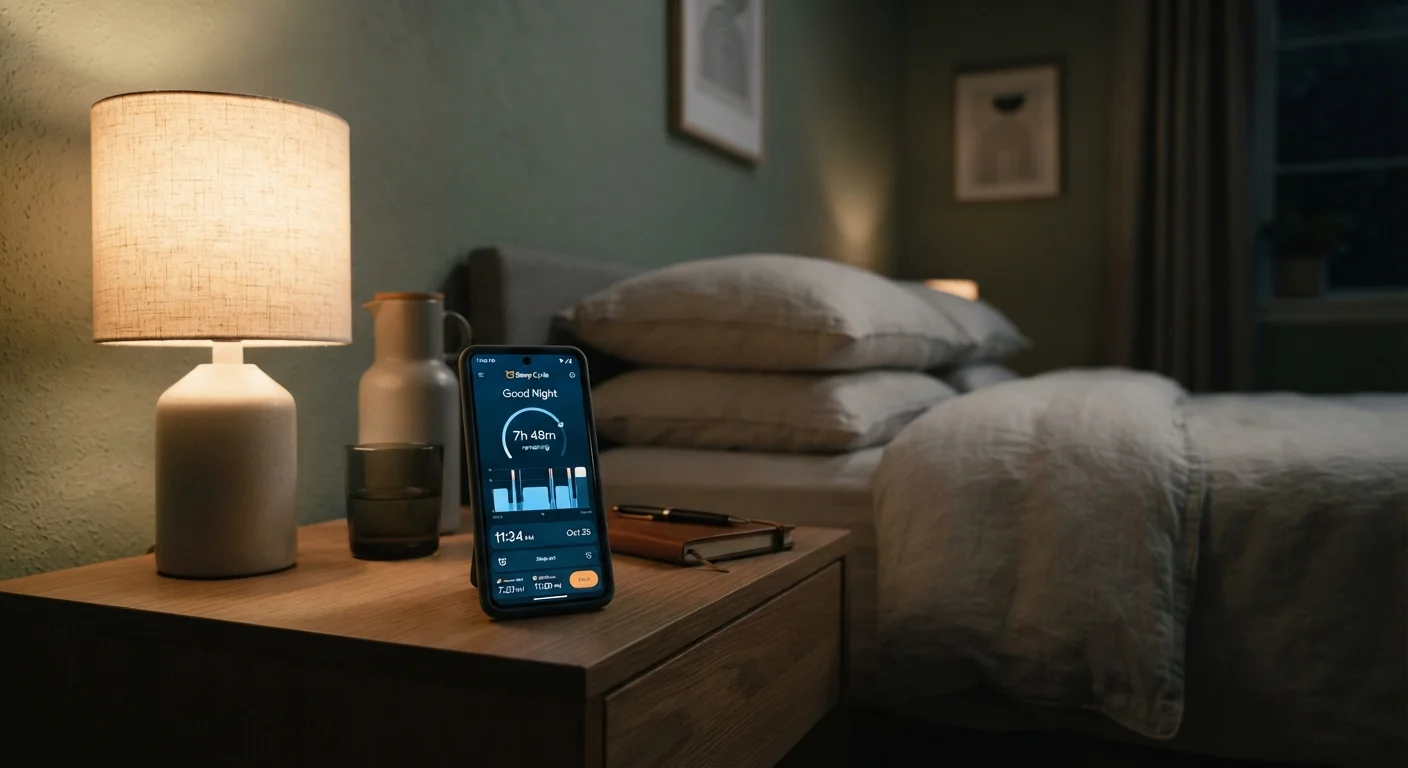
Photo credit: SnippetColumns.com | Easy Search, Reliable Information
In this article
Guided meditation and sleep-tracking apps can be genuinely useful — but they come with limitations worth knowing before you rely on them.
Key Takeaways
- Wellness apps can provide real, evidence-informed tools for managing everyday stress and improving sleep habits.
- Sleep-tracking data from consumer devices is an estimate, not a clinical measurement — interpret it accordingly.
- App-based tools work best as a complement to, not a replacement for, professional mental health support.
- Data privacy varies significantly between apps; reviewing an app's privacy policy before downloading is worthwhile.
- Excessive focus on sleep metrics can itself become a source of anxiety for some users.
Low barrier to access anytime, anywhere
Wellness apps are available on demand without appointments or waitlists, making them practical for people who want support between therapy sessions or in early stages of building healthier habits.
Grounded in recognized behavioral techniques
Many reputable apps incorporate elements of CBT-I, mindfulness-based stress reduction, and guided breathing — approaches with a meaningful body of supporting research for mild-to-moderate stress and sleep difficulties.
Builds awareness of habits and patterns
Mood journaling and sleep logs can surface patterns that users might otherwise miss, such as noticing that sleep quality consistently dips on high-stress workdays.
Low cost compared to many alternatives
Even paid tiers are generally far less expensive than professional therapy sessions, making them a realistic option for people managing everyday stress on a limited budget.
Supports consistency through reminders and structure
Built-in prompts and streaks can help users maintain a regular meditation or wind-down routine, which matters because consistency tends to produce better outcomes than occasional use.
Sleep tracking accuracy is limited, not clinical
Consumer sleep trackers estimate sleep stages from indirect signals like movement and heart rate; they are not validated medical devices and can produce misleading data that causes unnecessary worry.
Can create anxiety around sleep metrics
Researchers have described orthosomnia — a preoccupation with achieving perfect tracker scores — as a real phenomenon where monitoring sleep becomes its own source of stress and disruption.
Not a substitute for professional mental health care
For persistent, severe, or clinically significant stress, anxiety, or insomnia, app-based tools are insufficient on their own. Relying on them can delay someone getting care that would actually help.
Data privacy practices vary and warrant scrutiny
Wellness apps collect intimate behavioral and physiological data, and privacy policies differ significantly; some platforms share data with third parties in ways that aren't immediately obvious to users.
Quality varies considerably across the market
Not all wellness apps are built on solid evidence; some use vague wellness language without meaningful grounding in established techniques, making it hard for users to distinguish effective tools from ineffective ones.
What Wellness Apps Actually Offer
Stress management and sleep apps typically fall into a few broad categories: guided meditation and breathwork, sleep-sound environments, sleep-cycle tracking, and mood or habit journaling. The better-designed ones draw on established behavioral techniques — including elements of cognitive behavioral therapy for insomnia (CBT-I), mindfulness-based stress reduction (MBSR), and progressive muscle relaxation — adapted for self-guided use.
For someone dealing with the ordinary friction of a stressful week or a run of restless nights, that kind of structured support can be genuinely useful. Research on app-delivered mindfulness programs suggests they can modestly reduce perceived stress and improve self-reported sleep quality for some users. The key word is modestly — and results vary considerably by individual, app quality, and how consistently the tools are used.
If you're curious how breathing and meditation techniques compare in practice, this breakdown of meditation vs. deep breathing may help you choose a starting point.
Low barrier to access anytime, anywhere
Wellness apps are available on demand without appointments or waitlists, making them practical for people who want support between therapy sessions or in early stages of building healthier habits.
Grounded in recognized behavioral techniques
Many reputable apps incorporate elements of CBT-I, mindfulness-based stress reduction, and guided breathing — approaches with a meaningful body of supporting research for mild-to-moderate stress and sleep difficulties.
Builds awareness of habits and patterns
Mood journaling and sleep logs can surface patterns that users might otherwise miss, such as noticing that sleep quality consistently dips on high-stress workdays.
Low cost compared to many alternatives
Even paid tiers are generally far less expensive than professional therapy sessions, making them a realistic option for people managing everyday stress on a limited budget.
Supports consistency through reminders and structure
Built-in prompts and streaks can help users maintain a regular meditation or wind-down routine, which matters because consistency tends to produce better outcomes than occasional use.
Where the Limitations Show Up
The most commonly misunderstood feature in wellness apps is sleep tracking. Consumer wearables and phone-based trackers estimate sleep stages using movement and heart rate data — they are not medical-grade tools. Studies comparing consumer sleep trackers against clinical polysomnography (the gold-standard lab sleep test) consistently find meaningful accuracy gaps, particularly for identifying specific sleep stages like REM. This matters because users can become alarmed — or falsely reassured — by numbers that don't accurately reflect what's happening.
There's also a documented pattern called orthosomnia, a term used by sleep researchers to describe excessive preoccupation with achieving perfect sleep-tracker scores. The anxiety generated by checking data can itself disrupt the sleep the app is meant to improve. For background on how screen use in the evening affects sleep biology, see what happens in your brain after scrolling at night.
Sleep tracking accuracy is limited, not clinical
Consumer sleep trackers estimate sleep stages from indirect signals like movement and heart rate; they are not validated medical devices and can produce misleading data that causes unnecessary worry.
Can create anxiety around sleep metrics
Researchers have described orthosomnia — a preoccupation with achieving perfect tracker scores — as a real phenomenon where monitoring sleep becomes its own source of stress and disruption.
Not a substitute for professional mental health care
For persistent, severe, or clinically significant stress, anxiety, or insomnia, app-based tools are insufficient on their own. Relying on them can delay someone getting care that would actually help.
Data privacy practices vary and warrant scrutiny
Wellness apps collect intimate behavioral and physiological data, and privacy policies differ significantly; some platforms share data with third parties in ways that aren't immediately obvious to users.
Quality varies considerably across the market
Not all wellness apps are built on solid evidence; some use vague wellness language without meaningful grounding in established techniques, making it hard for users to distinguish effective tools from ineffective ones.
A separate concern worth taking seriously: wellness apps are not a substitute for professional care. If stress is persistent, severe, or tied to a diagnosable condition, self-guided tools have clear limits. This comparison of therapy and self-help strategies lays out when each approach tends to make more sense.
Privacy, Cost, and Making an Informed Choice
Wellness apps collect sensitive data — sleep patterns, mood logs, heart rate, and usage behavior. Privacy policies differ widely, and some platforms share or sell anonymized (or not fully anonymized) data with third parties. Before downloading, it's reasonable to spend a few minutes reviewing what data an app collects, how it's stored, and whether it can be deleted. For a broader look at data collection trade-offs across connected devices, this overview of privacy in always-on home devices offers useful context.
~80%
Adults who have used a health or wellness app
Surveys by the Pew Research Center and others consistently find that a large majority of smartphone users have tried at least one health or wellness app, reflecting their mainstream adoption.
Moderate
Evidence strength for app-based mindfulness on stress
Systematic reviews, including work published in journals like JMIR Mental Health, generally rate app-delivered mindfulness as showing modest, meaningful benefits for self-reported stress — not transformative, but real.
Cost is another real variable. Many apps use a freemium model — basic features are free, but meaningful content sits behind a subscription. Before committing, it's worth testing free tiers or trial periods to see whether a particular app's approach actually fits your habits and preferences.
Ultimately, wellness apps work best when they're part of a broader routine rather than a standalone fix. Pairing app-based tools with a simple weekly mental wellness check-in can help you notice whether the tools are genuinely helping — or whether something more is needed. And if stress keeps building despite your efforts, it's worth understanding why pushing through stress often makes things worse.
When to Talk to a Professional
Wellness apps are designed for everyday stress and general sleep support — they are not mental health treatment. If you're experiencing persistent sleep problems, significant anxiety, low mood that doesn't lift, or any symptoms that are interfering with daily life, please speak with a licensed healthcare provider. Early professional support is nearly always more effective than waiting to see if self-guided tools resolve a deeper issue.
This article is for general informational purposes only and is not medical or mental health advice. If you are experiencing significant or persistent stress, sleep difficulties, or any mental health concerns, please consult a qualified healthcare professional.

Author
Health & Wellness Editorial Team
Health & Wellness Editorial Team is the collective byline for our editorial team and contributor network. Articles published under this byline or an editorial pen name are researched, written, and reviewed according to our editorial standards for clarity, consistency, and independence before publication.
View all articles →