
Screen Time and Sleep: What Happens in Your Brain After Scrolling at Night
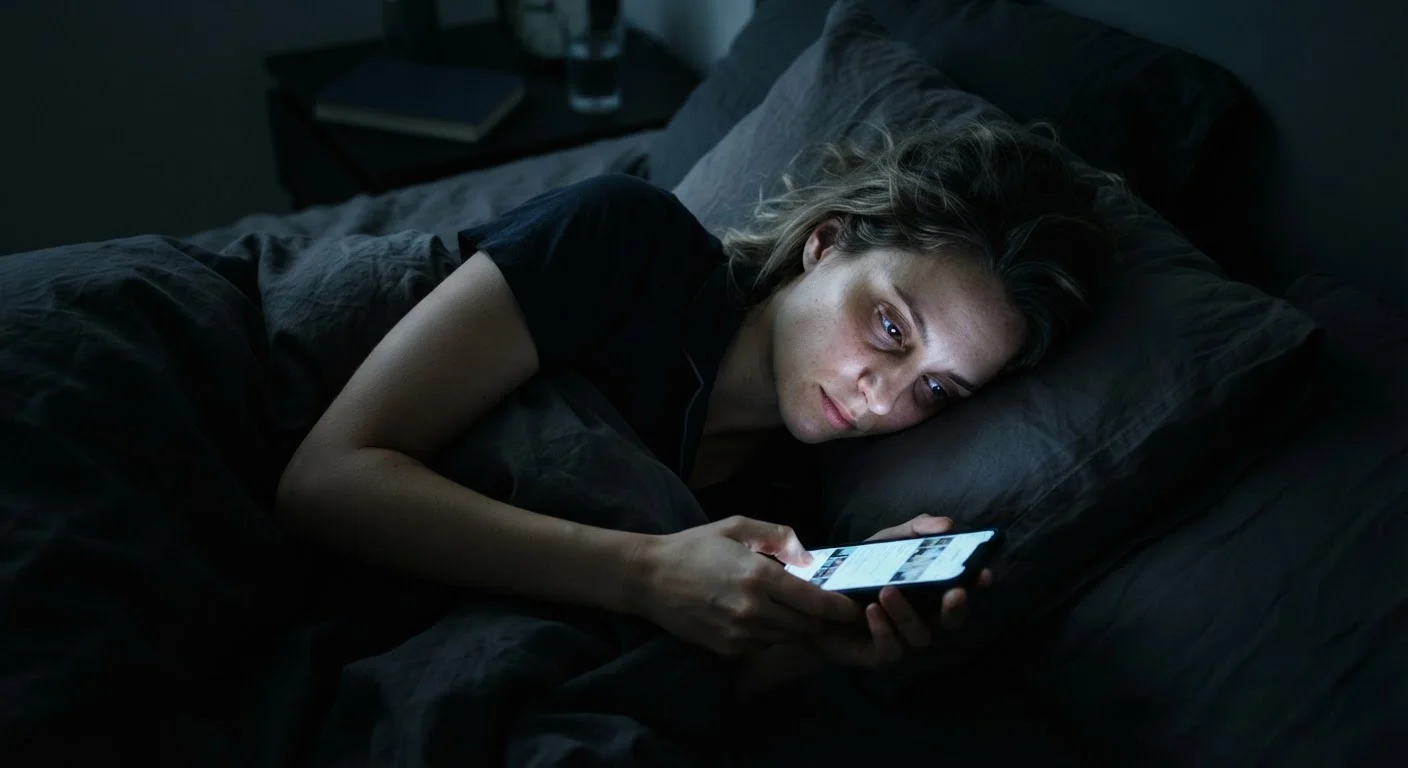
Photo credit: SnippetColumns.com | Easy Search, Reliable Information
In this article
Late-night phone use is linked to disrupted sleep — but why? Here's what science currently understands about light, alertness, and winding down.
Key Takeaways
- Phone screens emit blue light that suppresses melatonin, delaying your body's readiness for sleep.
- The content you consume — not just the light — also activates alertness systems in the brain.
- Even 30 minutes of nighttime scrolling can measurably shift how long it takes you to fall asleep.
- Built-in screen settings can reduce blue light, but they don't eliminate all sleep-related effects.
- Consistent wind-down habits are more effective than any single screen-limiting trick.
What Your Brain Is Actually Responding To
When you pick up your phone after dark, your brain receives two distinct types of stimulation — and both work against sleep in different ways.
The first is light. Your eyes contain specialized cells that are particularly sensitive to the short-wavelength blue light that LED and OLED screens produce. When those cells detect blue light, they signal a part of the brain called the suprachiasmatic nucleus — your internal clock — to suppress melatonin. Melatonin is the hormone that rises in the evening to prepare your body for sleep. When its production is delayed, so is the sensation of sleepiness.
The second is content. Social media feeds, news apps, and video platforms are engineered to hold your attention. They trigger dopamine responses that keep you mentally engaged, and emotionally activating content — conflict, comparison, surprising information — can elevate cortisol. Cortisol is a stress hormone that promotes alertness. So even if you dimmed your screen entirely, the nature of what you're watching still sends a wake-up signal to your brain.
Light and Content Work Together
Most conversations about screens and sleep focus on blue light alone, but the content dimension is equally important and harder to mitigate with a simple setting change. Understanding both mechanisms helps explain why turning on night mode doesn't fully solve the problem. Behavioral changes — like what you watch and when you stop — matter alongside any hardware or software adjustments.
These two mechanisms stack. A person scrolling through emotionally engaging news on a bright phone screen is combining light suppression of melatonin with cortisol-activating content — both pushing sleep further away simultaneously.
How Melatonin Fits Into the Picture
Melatonin is often described as the "sleep hormone," though it's more accurately a timing hormone. It doesn't knock you out — it signals to your body that darkness has arrived and that sleep is appropriate. Under normal conditions, melatonin levels begin rising a couple of hours before your habitual sleep time.
Research has shown that exposure to bright light in the evening — including screen light — can delay this rise. A study published in the Proceedings of the National Academy of Sciences found that reading on a light-emitting device before bed shifted melatonin onset and reduced next-morning alertness compared to reading a printed book. The effect wasn't trivial: melatonin was suppressed for longer into the night.
~1.5 hrs
Average melatonin delay from evening screen use
Research published in PNAS found that light-emitting device use before bed delayed melatonin onset by approximately 1.5 hours compared to reading print.
30–60 min
Recommended screen-free buffer before sleep
Sleep researchers generally recommend stopping screen use at least 30 to 60 minutes before intended sleep time to allow melatonin to rise naturally.
~90%
U.S. adults who use electronics before bed
National Sleep Foundation polling has consistently found the vast majority of American adults use an electronic device in the hour before going to sleep.
This matters for more than just how fast you fall asleep. Melatonin also plays a role in coordinating other restorative processes during sleep. Consistently disrupting its rhythm can affect sleep quality over time, not just the single night in question. For a broader look at how daily habits shape your rest, see sleep hygiene fundamentals.
The Role of Mental Engagement
It's tempting to think the solution is simply using a blue light filter and continuing to scroll. But the mental engagement problem is harder to filter out.
Social platforms use variable reward schedules — unpredictable content that may or may not be interesting or emotionally resonant — a structure that's particularly effective at sustaining attention. Your brain keeps checking: what comes next? This sustained vigilance is the opposite of the mental quieting that sleep requires.
There's also the emotional activation dimension. Content that provokes a strong reaction — whether excitement, anxiety, or outrage — can linger in the mind well after you've put down the phone. This is sometimes described as cognitive arousal, and it's a recognized obstacle to sleep onset even when physical fatigue is high.
Choose Calm Over Stimulating Content
If avoiding screens entirely before bed isn't realistic for you, the type of content you consume makes a meaningful difference. Passive, familiar, and emotionally neutral content — like a documentary you've seen before or ambient audio — tends to be less activating than social feeds or breaking news. Lowering both the brightness and the emotional intensity of your screen time is a practical middle ground.
If you do use your phone close to bedtime, the trade-offs of wellness and sleep apps are worth understanding — some may genuinely support wind-down, while others add their own engagement loops.
What You Can Actually Do About It
The research points toward a few practical directions — none of them require perfection, and none eliminate all trade-offs.
- Create a buffer period. Even a 30-minute gap between screen use and sleep gives your melatonin production a chance to normalize. A longer buffer tends to produce a larger effect.
- Dim your screen and use night mode. These don't eliminate the problem, but reducing light intensity does reduce stimulation. Your phone likely has settings you haven't explored — overlooked phone settings like scheduled Night Shift or Grayscale mode can help reduce stimulation automatically.
- Choose lower-stimulation content. If you use your phone near bedtime, passive, calm content is less disruptive than social feeds or news. The distinction matters more than most people realize.
- Build a consistent wind-down routine. Behavioral consistency matters as much as any single tactic. Building a wind-down routine that your brain associates with rest is a durable, evidence-supported strategy.
This article is for general informational purposes only and does not constitute medical advice. If you are experiencing persistent sleep difficulties, consult a qualified healthcare professional.
Frequently Asked Questions

Author
Health & Wellness Editorial Team
Health & Wellness Editorial Team is the collective byline for our editorial team and contributor network. Articles published under this byline or an editorial pen name are researched, written, and reviewed according to our editorial standards for clarity, consistency, and independence before publication.
View all articles →