
Plant-Based Eating vs. Omnivorous Diets: What Nutrition Science Actually Shows
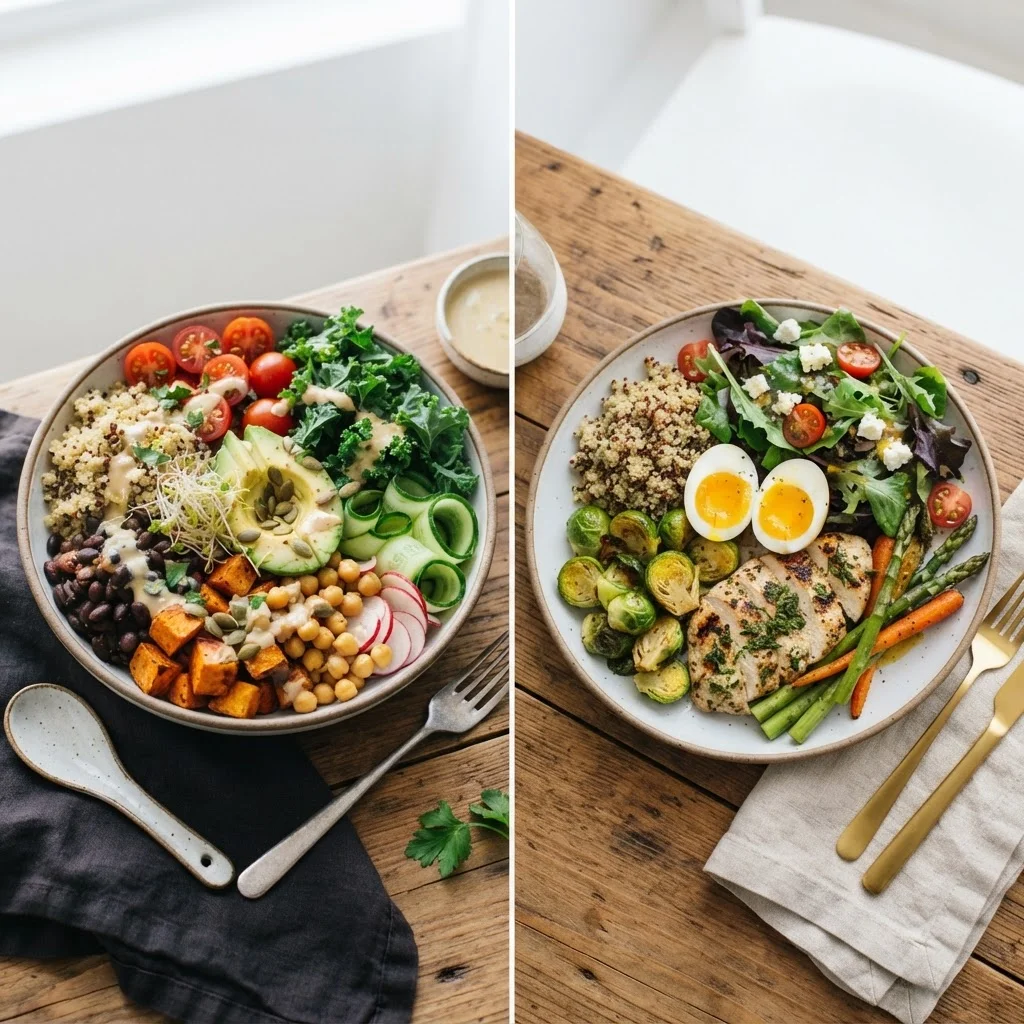
Photo credit: SnippetColumns.com | Easy Search, Reliable Information
In this article
A balanced look at the nutritional trade-offs of plant-focused versus omnivorous eating patterns, based on established dietary research.
Key Takeaways
- Well-planned plant-based diets can meet most nutritional needs but require attention to B12, iron, and omega-3s.
- Omnivorous diets offer broader nutrient access but are not automatically healthier — food quality still determines outcomes.
- Research consistently links higher vegetable and legume intake with better long-term health, regardless of overall diet type.
- No single eating pattern is universally optimal; individual health status, culture, and preference all matter.
- Consulting a registered dietitian is the most reliable way to tailor any dietary approach to your specific needs.
What the Research Actually Compares
When nutrition researchers compare plant-based and omnivorous diets, they're rarely studying two tidy, uniform eating patterns. "Plant-based" can mean anything from fully vegan to mostly vegetarian with occasional fish. "Omnivorous" spans the spectrum from a Mediterranean-style diet rich in vegetables to one built around heavily processed foods. This variability matters when reading headlines about diet research.
That said, large observational studies — including the Adventist Health Studies and data from the EPIC cohort — have consistently found that populations eating more plants tend to have lower rates of heart disease, type 2 diabetes, and certain cancers. What remains less clear from these studies is how much of the benefit comes from what people add (fiber, antioxidants, phytonutrients) versus what they reduce (saturated fat, processed meats). For a grounding in core nutrition concepts, see our nutrition fundamentals overview.
| Plant-Based Diet | Omnivorous Diet | |
|---|---|---|
| Protein completeness | Achievable; requires food variety or complementing sources | Easily met through animal proteins |
| Vitamin B12 | Supplementation typically required | Readily available from animal foods |
| Iron & zinc absorption | Lower bioavailability; pairing strategies help | Higher bioavailability from heme sources |
| Omega-3 (EPA/DHA) | Limited; algae supplements can help | Fatty fish provides efficient source |
| Fiber intake | Typically higher | Variable; often lower |
| Saturated fat risk | Generally lower | Higher if red/processed meat is frequent |
| Long-term disease risk evidence | Associated with lower rates of heart disease and type 2 diabetes | Depends heavily on food quality and composition |
Nutrients Worth Watching on Each Pattern
The most common nutritional concern with plant-based diets is vitamin B12, which occurs naturally only in animal products. Those eating little or no animal food typically need a supplement or fortified foods — this is not a fringe concern but a well-established nutritional fact. Iron and zinc from plants are also less readily absorbed than from meat (a property called lower bioavailability), though strategic food pairing — such as eating vitamin C-rich foods alongside iron-rich legumes — can meaningfully improve uptake.
Omega-3 fatty acids present a more nuanced picture. Plant foods provide ALA (alpha-linolenic acid), found in flaxseed and walnuts, but the body converts only a small proportion of ALA into the EPA and DHA forms associated with cardiovascular and brain health. Fatty fish remains the most efficient dietary source of EPA and DHA; algae-based supplements offer a plant-derived alternative.
On the omnivorous side, the risk isn't nutrient deficiency — it's excess. High intake of processed red and cured meats is linked in numerous studies to increased colorectal cancer risk, a finding strong enough that major health organizations treat it as established rather than preliminary. Saturated fat from animal sources also raises LDL cholesterol in most people, though the relationship with cardiovascular outcomes continues to be refined by newer research.
A Simple Rule for Either Pattern
Regardless of whether you eat meat, aiming for at least half your plate to be vegetables, legumes, or whole grains at most meals is one of the most evidence-backed moves in nutrition. This single shift improves fiber, micronutrient density, and satiety without requiring a complete dietary overhaul. Small, consistent changes tend to stick better than dramatic restrictions.
What Both Diets Get Right — and Where Each Falls Short
Both eating patterns share a common failure mode: ultra-processed food. A vegan diet built on refined snack foods, sugary beverages, and fast-food plant burgers offers little of the benefit seen in study populations eating whole grains, legumes, and vegetables. Equally, an omnivorous diet centered on minimally processed proteins and abundant produce outperforms both. Food quality is a stronger predictor of health outcomes than the plant-versus-animal distinction alone.
Budget is a real-world factor worth acknowledging. Whole plant proteins — lentils, chickpeas, dried beans — are among the most affordable foods in any grocery store. Omnivorous diets can also be cost-effective when built around eggs, canned fish, and smaller portions of meat. For practical strategies on either pattern, our guide to healthy eating on a budget offers grounded, evidence-informed approaches.
One underappreciated risk on both sides is overcorrection. Cutting out entire food groups or leaning too heavily on any single food category creates gaps — a point explored in depth in our piece on when healthy eating quietly goes wrong. Understanding natural versus added sugars is another detail that trips up even well-intentioned eaters on both diet paths.
~17%
Lower heart disease risk in vegetarians
A large analysis published in BMJ found vegetarians had roughly 17% lower risk of ischemic heart disease compared to meat eaters.
< 10%
ALA-to-EPA/DHA conversion rate
Research estimates the body converts less than 10% of plant-derived ALA omega-3s into the longer-chain EPA and DHA forms.
This article is for general informational purposes only and does not constitute medical or dietary advice. Speak with a registered dietitian or qualified healthcare provider before making significant changes to your eating pattern, particularly if you have a chronic health condition or specific nutritional needs.

Author
Health & Wellness Editorial Team
Health & Wellness Editorial Team is the collective byline for our editorial team and contributor network. Articles published under this byline or an editorial pen name are researched, written, and reviewed according to our editorial standards for clarity, consistency, and independence before publication.
View all articles →