
Emergency Funds Explained: What They Are, Why They Matter, and How to Start One
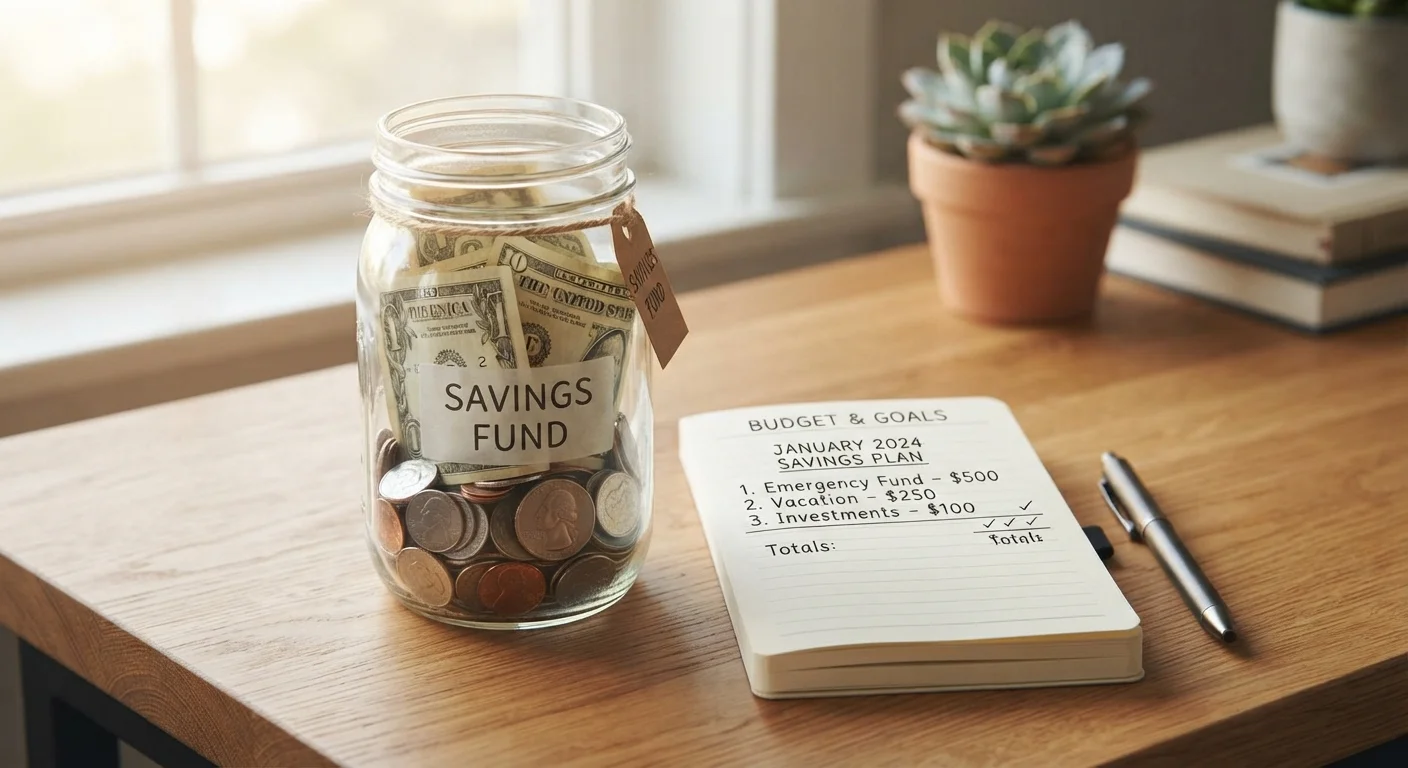
Photo credit: SnippetColumns.com | Easy Search, Reliable Information
In this article
A clear introduction to emergency funds—what qualifies as one, how large it should be, and a realistic path to building it.
Key Takeaways
- An emergency fund covers genuine financial shocks — job loss, medical bills, urgent repairs.
- Most financial guidance points to three to six months of essential expenses as a target.
- Starting small is legitimate — even $500 meaningfully reduces financial vulnerability.
- Keep emergency savings liquid and separate from everyday spending accounts.
- Automating contributions is the most reliable way to build the fund consistently.
What Is an Emergency Fund?
An emergency fund is a dedicated pool of cash set aside to cover unexpected, necessary expenses — not predictable costs, not discretionary spending, and not planned purchases. Think job loss, a sudden medical bill, a car breakdown that makes getting to work impossible, or an urgent home repair. The defining characteristic is that the expense is both unplanned and unavoidable.
This distinction matters. An emergency fund is not a general savings account you dip into for vacations or appliance upgrades. Those belong in separate buckets. If you've wondered how emergency funds differ from sinking funds or rainy-day funds, our guide on the differences between these three savings concepts lays it out clearly.
At its core, an emergency fund exists to break the cycle of using high-interest debt — credit cards or personal loans — every time life throws something unexpected your way. That cycle is expensive. Having accessible cash changes the equation entirely.
An emergency fund is not optional for long-term stability
Without accessible cash reserves, most unexpected expenses — a job loss, a medical event, a car repair — get financed with high-interest debt. That debt compounds quickly and can take months or years to undo. Building even a small emergency fund before focusing on other financial goals is a foundational step, not an afterthought.
How Much Should You Save?
The widely cited benchmark is three to six months of essential living expenses. Essential expenses means rent or mortgage, utilities, groceries, transportation, insurance, and minimum debt payments — not your full lifestyle spend. This range accounts for the reality that some people have more job security, dual incomes, or lower financial risk than others.
~57%
Americans unable to cover a $1,000 emergency
Bankrate's annual emergency savings report has repeatedly found that a majority of U.S. adults could not pay an unexpected $1,000 expense from savings alone.
3–6 months
Recommended months of expenses to save
This range is a widely accepted benchmark in personal finance guidance, accounting for income variability and individual risk factors.
If three to six months feels overwhelming, that's because it is — at first. A more useful starting target is $1,000. That covers a significant share of common financial shocks and gives you a meaningful cushion while you work toward the full goal. From there, building toward one month of expenses, then three, then six is a realistic progression rather than an all-or-nothing milestone.
Your personal target may sit closer to six months if your income is variable or irregular, your industry is volatile, you're self-employed, or you support dependents. A household with two stable incomes and low fixed expenses may find three months sufficient. There is no universal right answer — this is general guidance, not personalized financial advice. A licensed financial adviser can help you assess what's appropriate for your specific situation.
Calculate your emergency fund target using essential expenses only — not your full monthly spending. Strip out dining out, subscriptions, and entertainment to get the real number.
Basing your target on lean, essential-only expenses gives you a more accurate and achievable goal, and ensures the fund covers what actually matters during a crisis.
Once you reach your target, don't stop saving — shift that automatic transfer to your next financial goal rather than letting it disappear into spending.
Keeping the savings habit active after hitting the emergency fund target accelerates progress on other goals without requiring any behavioral change.
Where to Keep Your Emergency Fund
The two non-negotiable qualities for an emergency fund account are liquidity and separation. The money needs to be accessible within a day or two without penalties, and it should not live in the same account as your everyday spending money — because that proximity is how emergency funds quietly disappear.
A high-yield savings account at an online bank is a common choice for this purpose, as rates on savings accounts have been more competitive in recent years than they were for much of the past decade. That said, the priority is access and safety, not maximizing returns. A standard savings account at your existing bank works fine if it's kept separate and not linked directly to your checking.
What an emergency fund should not be: money tied up in investment accounts where withdrawal takes days and may trigger taxes or penalties, or certificates of deposit (CDs) with early-withdrawal penalties. The liquidity requirement rules those out for this particular purpose.
Add a little friction on purpose
Consider keeping your emergency fund at a bank that isn't linked to your primary checking account. A small transfer delay — even just one business day — gives you time to reconsider whether something truly qualifies as an emergency before spending. This simple structural choice helps most people leave the fund alone.
How to Start Building One Today
The practical path to an emergency fund isn't complicated — consistency matters more than the size of individual contributions. Here's a straightforward approach:
- Open a dedicated savings account. Separate it from your checking account, ideally at a different institution or at least with a different login. Out of sight genuinely helps with out of mind.
- Set an automatic transfer. Even $25 or $50 per paycheck adds up. Automating the contribution removes the decision from your hands each month — the most reliable way to build any savings habit.
- Direct windfalls here first. Tax refunds, work bonuses, or any unexpected income are an efficient way to accelerate progress without changing your monthly budget.
- Review your budget for a small gap. The fundamentals of personal budgeting can help you identify spending categories where a small reduction is painless but meaningful over time.
If you're starting completely from scratch, this starter's roadmap to your first emergency fund offers a step-by-step approach designed for people with little to no savings cushion.
Common Mistakes to Avoid
A few predictable patterns undermine emergency funds before they can do their job:
- Using it for non-emergencies. A sale on furniture or a last-minute trip is not an emergency. Each unauthorized withdrawal sets your timeline back and trains you to view the fund as discretionary.
- Stopping contributions once you hit a number. Inflation, rising fixed costs, and life changes mean your target isn't static. Revisit it annually.
- Keeping it too accessible. An emergency fund attached to your debit card is one impulsive moment away from being spent. Friction is your friend here.
- Waiting until debt is completely paid off. Carrying some debt while building a small emergency fund simultaneously is often the smarter play — without a cushion, the next emergency just adds more debt anyway.
Don't raid your fund for predictable costs
Car registration, holiday spending, and annual insurance premiums are not emergencies — they're irregular but foreseeable. Using your emergency fund for these drains the cushion you'll need for genuine crises. A sinking fund is the right tool for planned irregular costs; keep your emergency fund strictly for unplanned, unavoidable shocks.
Once you have an emergency fund in place, the challenge of saving for multiple goals at once becomes much more manageable — because one of your most important goals is already covered.
Emergency Fund vs. Other Savings Concepts
It's worth clarifying what an emergency fund is not, because these terms are often used interchangeably when they shouldn't be.
- Sinking fund
- A planned savings pool for a known upcoming expense — car registration, holiday gifts, an annual insurance premium. It's intentional and predictable. See our overview of sinking funds and how they work for a fuller explanation.
- Rainy-day fund
- Typically smaller than a full emergency fund, intended for minor unexpected costs — a broken appliance, a co-pay for an unplanned doctor visit. Some people use this as a first step before building a larger emergency reserve.
- Investment or retirement accounts
- Long-term wealth-building vehicles that are not liquid, often carry penalties for early withdrawal, and should not double as emergency savings.
For more on structuring multiple savings goals without confusion, explore our Saving & Goals hub — it covers the full range of practical strategies for building toward financial stability.
This article is for general informational and educational purposes only and does not constitute personalized financial advice. Consult a licensed financial professional for guidance tailored to your individual circumstances.

Author
Money & Finance Editorial Team
Money & Finance Editorial Team is the collective byline for our editorial team and contributor network. Articles published under this byline or an editorial pen name are researched, written, and reviewed according to our editorial standards for clarity, consistency, and independence before publication.
View all articles →