
Free-Feeding vs. Scheduled Meals: How Each Approach Affects Your Pet's Health
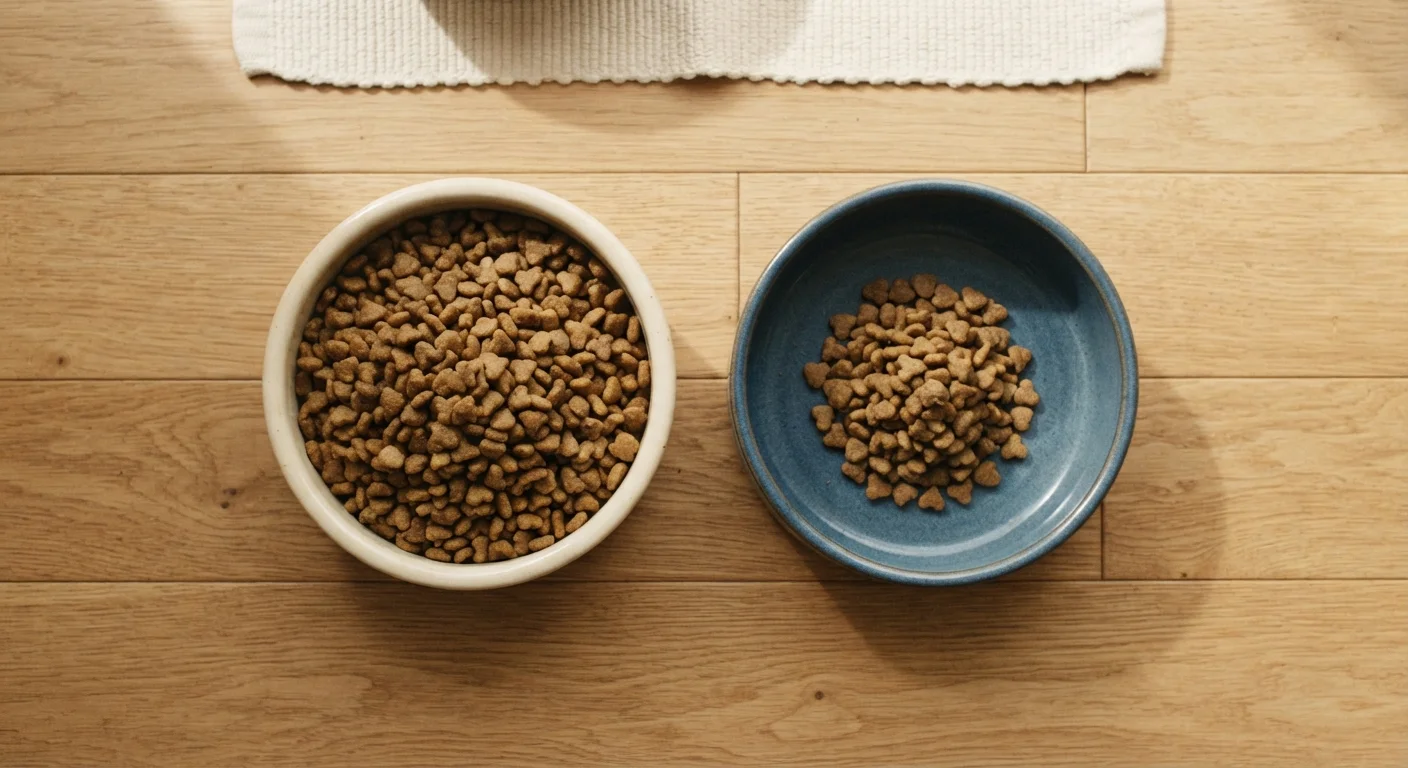
Photo credit: SnippetColumns.com | Easy Search, Reliable Information
In this article
Leaving food out all day or feeding at set times — each approach has real trade-offs. Here's what the evidence says about portion control and pet wellbeing.
Key Takeaways
- Free-feeding makes portion control difficult and is linked to higher rates of pet obesity.
- Scheduled meals allow owners to monitor appetite changes, an early indicator of health issues.
- Most dogs do best with two measured meals per day; cats may tolerate more frequent small portions.
- A pet's life stage, health status, and food type should guide which feeding method is used.
- Always consult your veterinarian before changing a pet's feeding routine, especially for seniors or pets with chronic conditions.
What Each Feeding Method Actually Means
Free-feeding means filling a bowl once or twice a day — or using an automatic dispenser — so food is continuously available. The pet eats whenever and however much it chooses. Scheduled feeding, by contrast, means offering measured portions at consistent times and removing what isn't eaten after a set window, typically 20 to 30 minutes.
Neither approach is inherently right or wrong. The better method depends on your individual pet's species, age, health status, and temperament. Understanding the real-world implications of each helps you make a genuinely informed choice rather than simply defaulting to habit.
For broader context on how nutritional needs change through life, see our guide on feeding pets from puppyhood to senior years.
The Case for Free-Feeding — and Its Real Limits
Free-feeding's main advantages are convenience and low stress. There's no rigid schedule to maintain, and pets who are light, consistent eaters — some cats in particular — may graze naturally without overconsumption. Grazing can also reduce meal-time anxiety in nervous animals.
However, the limitations are significant. Most pets, when given continuous access to food, will eat beyond their energy needs. This is especially true of dogs and many indoor cats whose activity levels are lower than their wild counterparts. Pet obesity is among the most common preventable health conditions in companion animals, and free-feeding is a recognized contributing factor. See what pet obesity really means for long-term wellbeing for a fuller picture.
Free-feeding also masks appetite changes. If a bowl is always full, you may not notice for days that your pet has stopped eating — a symptom that often signals illness.
| Criterion | Free-Feeding | Scheduled Meals |
|---|---|---|
| Portion control | Difficult to monitor | Precise and measurable |
| Obesity risk | Higher for most pets | Lower with correct portions |
| Appetite monitoring | Nearly impossible | Easy to track daily |
| Suitable food types | Dry kibble only | All food types |
| Multi-pet households | Can cause conflict | Allows individual management |
| Owner schedule flexibility | High | Requires consistency |
| Best suited species | Self-regulating cats | Dogs and most cats |
Why Scheduled Meals Support Better Health Outcomes
Structured feeding gives owners direct control over portions, timing, and observation. Two meals a day is the general guideline for adult dogs; cats often benefit from two to four smaller meals, which aligns better with their natural hunting patterns. Puppies and kittens typically need three or more meals daily to support growth — for specifics by life stage, see how life stage affects what your pet should eat.
Scheduled meals make it straightforward to track exactly how much your pet eats at each sitting. A skipped or reduced meal is immediately visible, giving you an early signal to watch for other symptoms or contact your veterinarian.
For households with multiple pets, timed feeding is often essential. Supervised meal sessions prevent resource guarding, allow you to feed different diets to different animals, and ensure a timid pet isn't crowded away from its food by a more assertive housemate.
59%
U.S. dogs classified as overweight or obese
According to the Association for Pet Obesity Prevention's clinical surveys, more than half of U.S. dogs fall into overweight or obese categories.
61%
U.S. cats classified as overweight or obese
The same Association for Pet Obesity Prevention data shows cats have even higher overweight rates than dogs in American households.
Special Considerations: Food Type, Species, and Life Stage
The feeding method debate shifts considerably depending on what you're feeding. Wet food and any fresh or raw preparation cannot safely sit out for extended periods — bacterial growth begins within a couple of hours at room temperature. If you feed anything other than dry kibble, scheduled meals aren't just preferable; they're a food safety necessity.
Species matters too. Dogs are typically better candidates for scheduled meals because they tend to eat enthusiastically and quickly. Cats are more variable: some self-regulate well with dry kibble; others eat compulsively. Knowing your individual cat's behavior is key.
Age and health status are equally important. Senior pets, animals managing diabetes, kidney disease, or digestive conditions, and pets recovering from surgery often have medically specific feeding requirements that make a consistent schedule non-negotiable. For pets on any health management plan, always defer to your veterinarian's feeding instructions rather than general guidelines.
Extras like treats and toppers can quietly disrupt whichever system you choose — learn how to account for them in where treats and supplements fit in a balanced diet.
This article is for general informational purposes only and is not a substitute for professional veterinary advice. Always consult a licensed veterinarian for guidance tailored to your pet's individual health needs.

Author
Pets & Animal Care Editorial Team
Pets & Animal Care Editorial Team is the collective byline for our editorial team and contributor network. Articles published under this byline or an editorial pen name are researched, written, and reviewed according to our editorial standards for clarity, consistency, and independence before publication.
View all articles →