
Litter Box Basics Every New Cat Owner Should Know
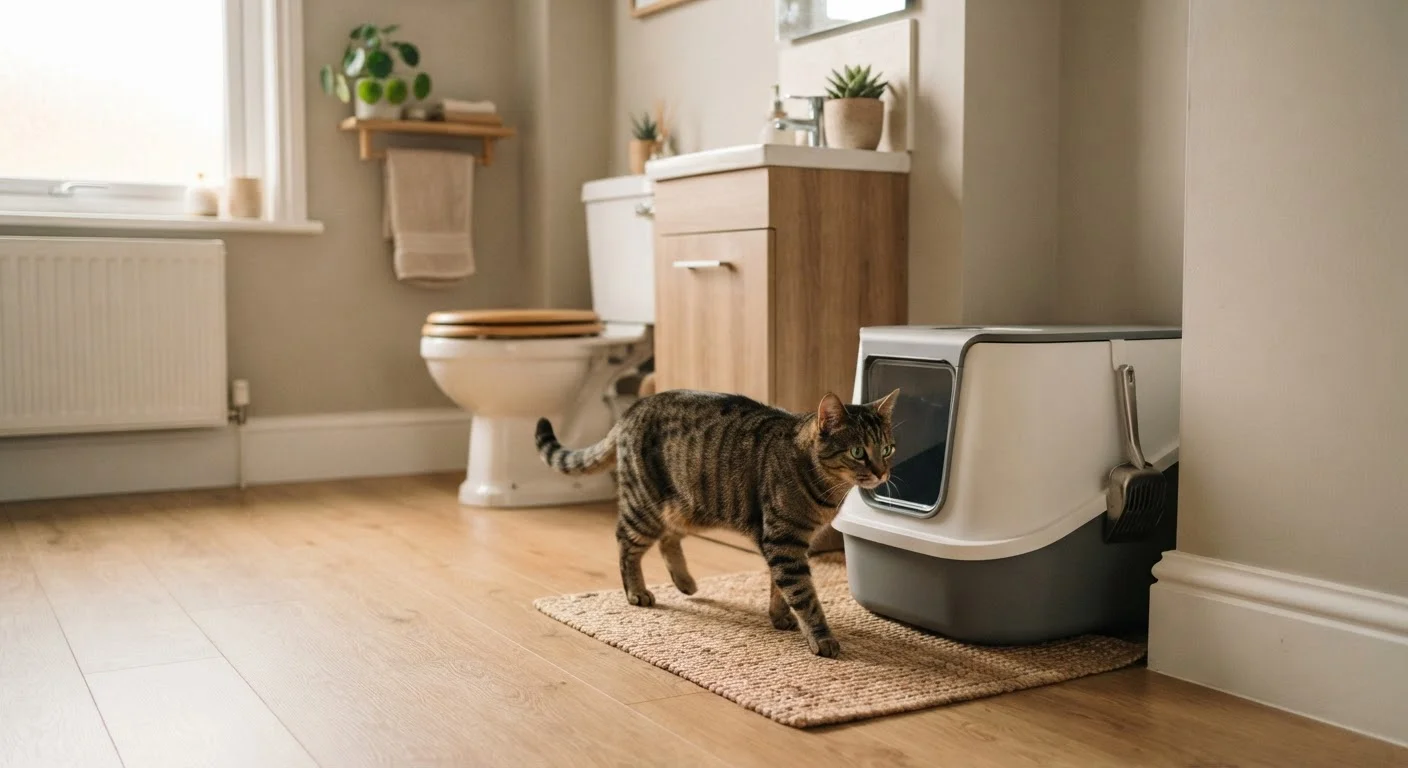
Photo credit: SnippetColumns.com | Easy Search, Reliable Information
In this article
From placement and cleaning frequency to litter type, get a clear, practical introduction to litter box setup and daily maintenance for cats.
Key Takeaways
- Provide one litter box per cat, plus one extra, to reduce territorial stress.
- Place boxes in quiet, low-traffic areas that cats can access easily at all times.
- Scoop waste at least once daily to encourage consistent use and monitor health.
- Unscented, clumping litter is generally well-tolerated by most cats.
- Avoidance of the litter box is often a behavioral or medical signal worth investigating.
Choosing the Right Litter Box
The litter box market can feel overwhelming, but the fundamentals are straightforward. The most important dimension is size: the box should be at least one and a half times the length of your cat from nose to tail base. Many standard boxes sold for adult cats are actually too small, which leads cats to hang over the edge or avoid the box altogether.
Open, uncovered boxes are a practical starting point for most cats. They allow easy entry and exit, don't trap odors inside, and let you spot-check cleanliness at a glance. Covered boxes suit some cats well — particularly those who prefer privacy — but they can also mask odors and make cleaning less obvious, so they require extra diligence.
For multi-cat households, follow the widely cited guideline: one box per cat, plus one additional. A two-cat home needs three boxes minimum. Distributing them across the home reduces territorial tension and gives every cat a reliable option.
Where to Place the Litter Box
Location shapes whether your cat will actually use the box. Cats prefer quiet, low-traffic areas where they won't be startled mid-use. Laundry rooms, bathrooms, and bedroom corners are common choices — but avoid placing a box directly next to food and water bowls, as cats instinctively keep feeding and elimination areas separate.
Accessibility matters as much as privacy. If you have a kitten or a senior cat, avoid placing boxes at the top of stairs or in locations that require jumping. Ensure at least one box is on each floor of a multi-story home.
Test Multiple Locations Before Committing
If you're unsure where to place the litter box, start by offering boxes in two or three candidate spots and observing which your cat gravitates toward. Cats often self-select the location they find most comfortable. Once a preference is clear, you can consolidate or adjust. Avoid moving an established box abruptly — transition gradually if relocation is necessary.
This kind of thoughtful environmental planning ties directly into routine pet home maintenance. For a broader look at keeping your cat's living space consistent and clean, the weekly pet care audit offers a useful room-by-room framework.
Picking the Right Litter
Litter type affects whether your cat uses the box reliably. Research consistently shows that most cats prefer unscented, fine-grained clumping clay litter. The texture mimics natural soil, and clumping makes waste removal efficient. Heavily scented litters, despite marketing claims, tend to repel cats rather than attract them — the cat's sense of smell is far more sensitive than ours.
Natural and alternative litters — such as wood pellets, recycled paper, corn, or wheat — are increasingly popular for environmental reasons. Some cats accept them readily; others refuse. If you want to switch litter types, transition gradually by mixing the new litter in increasing proportions over one to two weeks.
Avoid Scented Litter and Sprays
Artificial fragrances added to litter or sprayed near the box are intended to appeal to humans, not cats. Many cats find strong scents aversive and will avoid the box as a result. If odor control is a concern, more frequent scooping and a well-ventilated location are more effective solutions than added fragrance.
Fill the box to about two to three inches of litter depth. Too shallow and cats can't dig adequately; too deep and some cats find it unstable underfoot and may avoid it.
Daily and Weekly Cleaning Routines
Consistency in cleaning is the single most effective thing you can do to keep your cat using the litter box reliably. Scoop solid waste and urine clumps at least once per day — ideally twice. Cats are fastidious animals and will often avoid a box that smells heavily of previous use.
A complete litter change — removing all litter, washing the box with mild dish soap and warm water, drying it thoroughly, and refilling with fresh litter — should happen every one to two weeks for clumping litter. Avoid harsh chemical cleaners or strong-smelling disinfectants, which can leave residues that deter cats.
Replace the box itself every one to two years. Plastic absorbs odors and develops micro-scratches from scooping that harbor bacteria even after washing. This routine pairs well with a broader daily care schedule — the daily pet care guide for first-time owners covers how to build these habits into a manageable morning-to-evening routine.
Troubleshooting Common Litter Box Problems
If your cat stops using the litter box, resist the urge to assume it's purely behavioral. The first step is always to rule out a medical cause. Urinary tract infections, kidney issues, and digestive problems can all change elimination habits. A veterinarian should be consulted whenever a previously reliable cat begins avoiding the box consistently.
Common non-medical causes include: a box that isn't scooped frequently enough, a recent change in litter brand or type, a new household stressor (a new pet, a move, or a change in routine), or a box placed in a location that has become noisy or difficult to reach.
Cats under stress often show elimination changes before other symptoms appear. Staying attuned to your cat's routine — including litter box habits — is one of the clearest ways to catch health or behavioral issues early. For indoor cats especially, pairing good litter hygiene with daily mental enrichment keeps stress levels low; the daily enrichment habits guide offers practical strategies worth exploring.
This article is intended for general informational purposes only and does not constitute veterinary advice. If your cat is showing signs of illness or behavioral distress, please consult a licensed veterinarian.
Frequently Asked Questions

Author
Pets & Animal Care Editorial Team
Pets & Animal Care Editorial Team is the collective byline for our editorial team and contributor network. Articles published under this byline or an editorial pen name are researched, written, and reviewed according to our editorial standards for clarity, consistency, and independence before publication.
View all articles →