
The Everyday Grooming Habits That Keep Long-Haired Cats Mat-Free
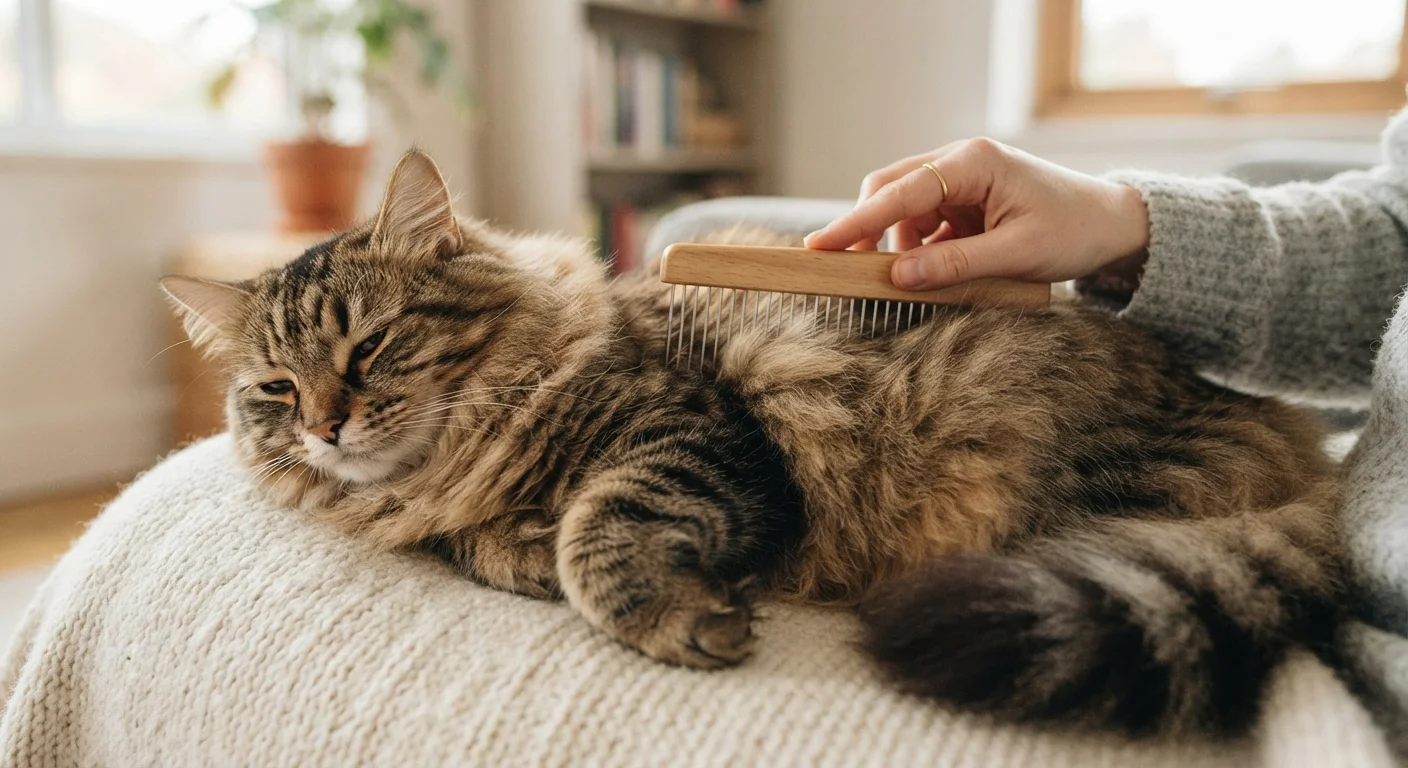
Photo credit: SnippetColumns.com | Easy Search, Reliable Information
In this article
Mats form quickly in long-haired cats and can cause real discomfort. Learn the brushing techniques and daily habits that prevent tangles before they start.
Key Takeaways
- Mats form fastest in high-friction areas like the armpits, belly, and behind the ears — prioritize these zones daily.
- A slicker brush followed by a steel comb is the most effective two-tool combination for long-haired coats.
- Short, calm sessions of five to ten minutes are more effective than infrequent, lengthy grooming attempts.
- Diet and hydration directly influence coat quality; dry, brittle fur is significantly more prone to matting.
- Severe or skin-hugging mats should be addressed by a professional groomer or veterinarian, not cut at home.
Why Long-Haired Cats Mat So Easily
Long-haired breeds — including Persians, Maine Coons, and Ragdolls — have coats that shed continuously. Loose hairs tangle with living ones rather than falling away cleanly, and friction from everyday movement accelerates the process. Areas where limbs meet the body — armpits, groin, behind the ears, and under the collar — are especially vulnerable because skin contact and motion keep those hairs rubbing together constantly.
Left unaddressed, mats tighten over days and can pull painfully on the skin, trap moisture, and even harbor skin irritation beneath them. Understanding this mechanism explains why prevention — not reactive detangling — is the smarter approach. For a broader view of your cat's daily wellness, visit the Pet Health & Wellness hub for practical guidance across all aspects of feline care.
The Right Tools Make All the Difference
Grooming effectiveness depends heavily on using the correct tools in the correct order. A two-step approach works best for long coats:
- Slicker brush: Fine, closely spaced wire pins that lift loose undercoat and surface tangles without forcing through knots.
- Wide-tooth steel comb: Used after the slicker brush to check for any remaining tangles and work through the full coat depth. If the comb passes through without snagging, the session is complete.
Avoid brushes with plastic tips or widely spaced teeth — they tend to glide over the surface, giving the appearance of grooming without actually reaching the underlayer where mats begin.
Test Your Comb Depth After Brushing
After using a slicker brush, always follow with a steel comb to verify you've reached the undercoat. If the comb snags even slightly, there's still work to do. This two-step check takes less than a minute and reliably catches developing mats before they consolidate.
Building the Daily Grooming Habit
Consistency is more valuable than duration. A five-to-ten minute daily session prevents tangles from forming; a 45-minute weekly battle with already-formed mats does not. Work in the same order each day so your cat learns the sequence and relaxes into it:
Start every session at the mat-prone zones before moving to the rest of the coat.
High-friction areas accumulate tangles faster than other parts of the coat. Addressing them first — while your cat is still calm — ensures the most critical spots receive attention even if the session ends early.
Hold the fur at the base when working through any resistance.
Pulling a brush or comb through a partial tangle from the skin outward tugs the skin itself, causing discomfort that makes cats associate grooming with pain. Supporting the base isolates the tension to the fur only.
Finish every session with a full-coat steel comb pass as a quality check.
A slicker brush can smooth the surface while leaving subsurface tangles intact. The comb's teeth reach deeper and will catch anything the brush missed before it has a chance to tighten.
Keep sessions short and end on a calm note, especially with young or sensitive cats.
A cat that associates grooming with prolonged restraint or discomfort will resist handling over time, making the problem progressively harder to manage. Positive, brief sessions build tolerance gradually.
Support coat health from the inside by ensuring your cat's diet provides adequate protein and omega fatty acids.
Dry, brittle fur breaks and tangles more readily than a well-moisturized coat. Nutrition plays a direct role in coat texture and shed rate. Consult your veterinarian about whether your cat's current diet supports coat health.
Associating grooming with calm moments — after a meal, during a quiet evening — helps most cats accept handling more readily over time. For ideas on pairing grooming with enrichment activities, see daily enrichment habits for indoor cats.
Quick Wins You Can Start Today
Not every grooming improvement requires a new routine from scratch. Several targeted adjustments deliver immediate results:
When to Call a Professional
Some mats are beyond safe home management. If a mat is sitting flush against the skin, is larger than a quarter, or your cat flinches or vocalizes when you approach it, stop and contact a professional groomer or your veterinarian. Attempting to cut skin-level mats at home carries a genuine risk of cutting the skin, which lies closer to the surface than it appears under dense fur.
Never Use Scissors on a Mat Alone
The skin beneath a dense mat is often much closer to the surface than it appears, and cutting toward the body risks a serious laceration. If a mat cannot be safely worked free with a comb, a professional groomer with mat-splitting tools is the appropriate next step. Your veterinarian can also assist when mats are causing the cat visible discomfort.
A groomer experienced with long-haired breeds can safely remove severe mats and often perform a sanitary trim that reduces future risk. After a professional reset, returning to daily brushing will keep the coat manageable going forward.
This article provides general pet care information and is not a substitute for advice from a licensed veterinarian. If your cat shows signs of skin irritation, pain, or behavioral changes, consult your vet promptly.

Author
Pets & Animal Care Editorial Team
Pets & Animal Care Editorial Team is the collective byline for our editorial team and contributor network. Articles published under this byline or an editorial pen name are researched, written, and reviewed according to our editorial standards for clarity, consistency, and independence before publication.
View all articles →