
New Pet Health Checklist: What to Do in the First 30 Days
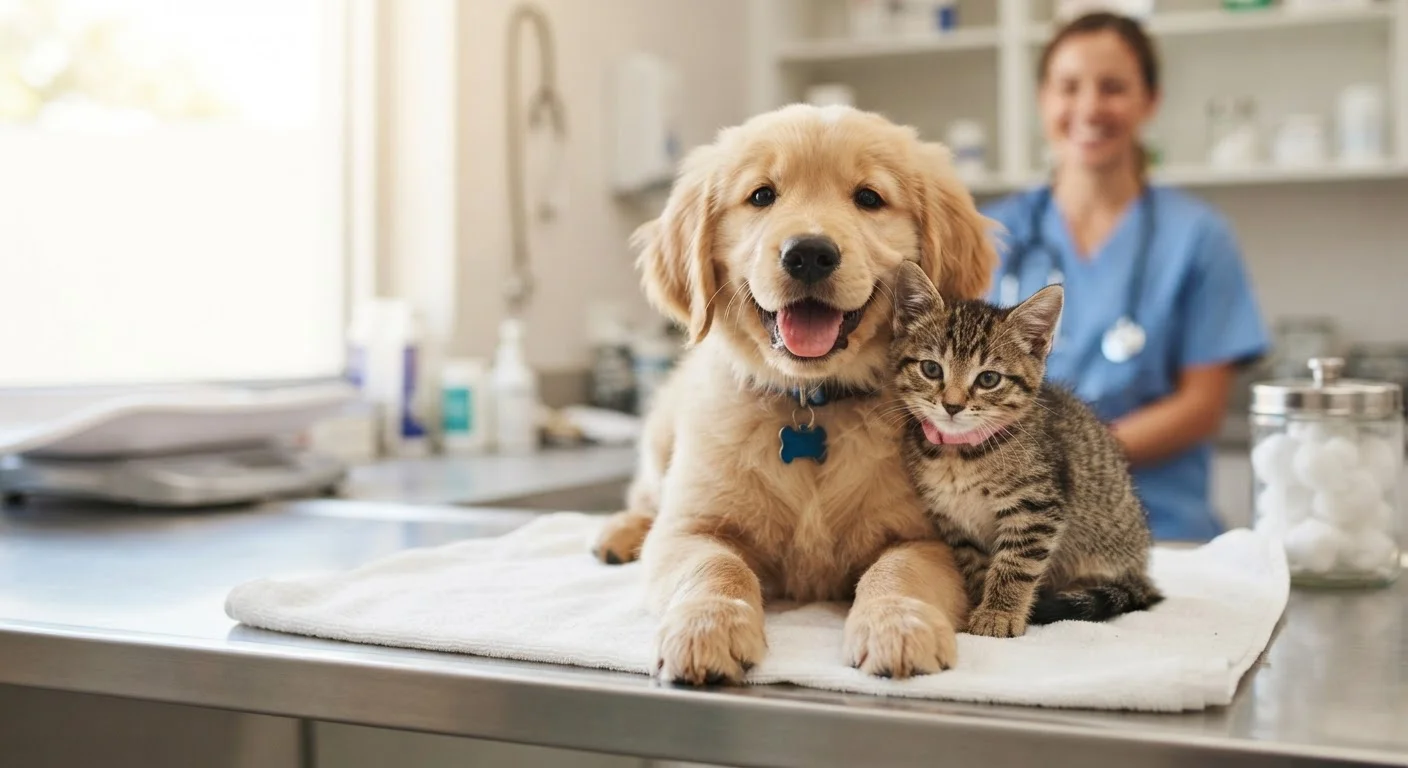
Photo credit: SnippetColumns.com | Easy Search, Reliable Information
In this article
Bringing a new pet home comes with real health responsibilities. Work through this checklist to get vaccinations, parasite prevention, and vet visits on track.
Key Takeaways
- A veterinary visit within the first week is the single most important first step for any new pet.
- Vaccinations and parasite prevention should be established before your pet has broad exposure to other animals or outdoor environments.
- Nutrition, microchipping, and baseline health records all belong in the first-month plan.
- Behavioral observation in week one helps you catch health issues early when they are most treatable.
- Consistent routines established in month one make long-term care significantly easier.
Why the First 30 Days Matter So Much
Bringing a new pet home triggers excitement — and, often, a fair amount of uncertainty. The first 30 days are a genuine health window: your pet is adjusting to a new environment, potentially carrying health history gaps, and forming habits that will stick. Getting foundational care in place now prevents compounding problems later.
This checklist is organized by week so you can work through tasks in a logical, manageable sequence rather than trying to do everything at once. It applies broadly to dogs and cats, though some items — particularly vaccination timelines — vary by species, age, and prior health history. Your veterinarian is the right person to tailor any of these steps to your specific animal.
For a deeper look at what ongoing care looks like after month one, see our guide to preventive care practices for dogs and cats.
See a Vet Within the First Week
A professional wellness exam in the first 3–7 days is the most consequential single action on this list. Even a pet that looks healthy may have parasites, incomplete vaccinations, or underlying conditions not visible to the eye. Do not delay this visit while waiting for the pet to 'settle in' — early detection gives you the most options.
Tools and Resources You'll Need
Before you start working through the checklist, gather the materials below. Having these on hand avoids scrambling mid-task.
Licensed veterinarian
Conducts the essential wellness exam, vaccination assessment, and parasite screening that anchor this checklist.
Pet health records folder
A physical or digital file to store vaccination certificates, vet visit summaries, and microchip registration details.
Microchip registration account
Registers your pet's microchip number with a national recovery database so they can be identified if lost.
Bathroom scale or vet scale access
Allows you to track your pet's weight monthly as a basic health indicator.
Parasite prevention products (vet-recommended)
Flea, tick, and heartworm preventatives selected by your veterinarian for your region and pet type.
Pet-safe toothbrush and toothpaste
Supports early introduction of at-home dental hygiene as directed by your veterinarian.
The 30-Day Health Checklist
Work through the groups below in order. Items marked must are non-negotiable for your pet's basic health and safety. Should items are strongly recommended and should be completed unless your vet advises otherwise. Nice to have items add real value but can flex around your schedule.
Week 1 — Immediate Health Priorities
Week 1–2 — Vaccinations and Prevention
Weeks 2–3 — Nutrition and Weight Baseline
Weeks 3–4 — Dental, Behavioral, and Record-Keeping
Once you've completed month one, the next step is building a consistent daily routine. Our daily pet care guide for first-time owners walks through morning-to-evening habits that keep pets healthy long-term.
Setting Up for Long-Term Success
The items on this checklist aren't one-and-done tasks — they're the opening moves in a much longer game. Vaccinations need boosters. Parasite prevention needs monthly or quarterly attention. Weight and dental health need regular monitoring. Knowing where your pet started makes every future vet visit more productive.
Keep a dedicated health file — physical or digital — for your pet's records from day one. Organized documentation pays dividends during emergencies and when switching veterinary providers. Our article on pet health records every owner should maintain explains exactly what to keep and how to organize it.
Your pet's needs will also evolve with age. For a broader look at what health priorities shift over time, pet health across every life stage is a useful companion read. And once your home routine is stable, the weekly pet care audit checklist helps you stay consistent week after week.
This article provides general pet health information for educational purposes only and is not a substitute for professional veterinary advice. Always consult a licensed veterinarian for guidance specific to your pet's health, age, and medical history.

Author
Pets & Animal Care Editorial Team
Pets & Animal Care Editorial Team is the collective byline for our editorial team and contributor network. Articles published under this byline or an editorial pen name are researched, written, and reviewed according to our editorial standards for clarity, consistency, and independence before publication.
View all articles →