
Preventive Care for Pets: The Wellness Practices That Matter Most
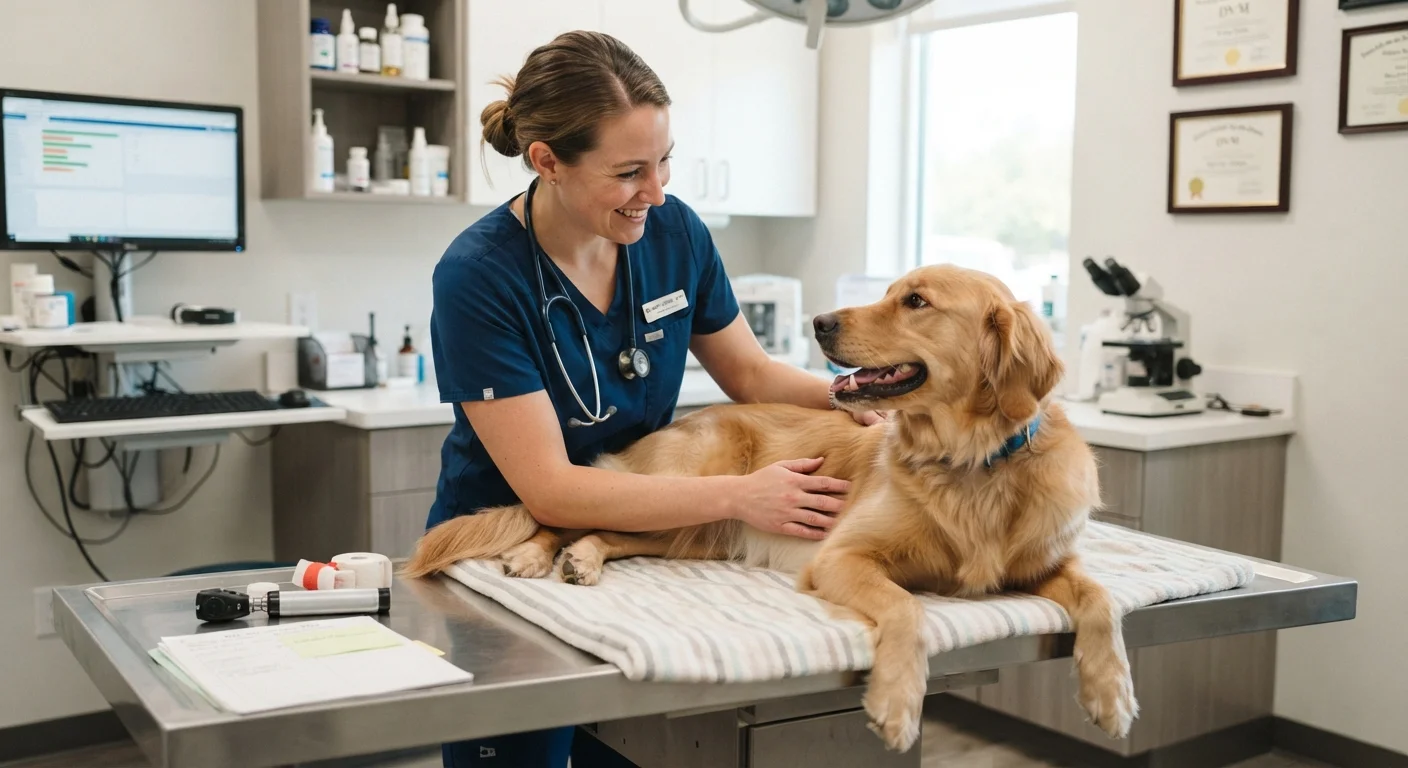
Photo credit: SnippetColumns.com | Easy Search, Reliable Information
In this article
Consistent preventive care — from parasite control to dental hygiene — forms the foundation of a long, healthy life for dogs and cats.
Key Takeaways
- Annual or biannual vet exams catch health problems before they become costly or painful.
- Parasite prevention, dental hygiene, and vaccinations form the core of everyday pet wellness.
- Nutrition and weight management are preventive tools — not just comfort considerations.
- Early detection through consistent home observation is as valuable as professional care.
Why Prevention Outperforms Reaction
Preventive care works because most serious health conditions in pets develop gradually, giving owners and veterinarians a window to intervene before disease becomes entrenched. Waiting for obvious symptoms — limping, vomiting, appetite loss — often means a problem has already progressed significantly. The core logic is simple: consistent, low-effort habits maintained over time create a much better health trajectory than intermittent crisis response.
This approach also tends to be less financially and emotionally burdensome. Early-stage management of conditions like kidney disease, diabetes, or joint inflammation is generally less intensive than late-stage treatment. For a complete overview of how health needs shift with age, see our life-stage health guide.
This Is General Health Information
The guidance in this article is intended for educational purposes and does not substitute for professional veterinary advice. Every pet is different, and individual health needs vary by species, breed, age, and medical history. Always consult a licensed veterinarian for decisions specific to your animal.
The Core Wellness Practices Every Owner Should Follow
Preventive care isn't a single action — it's a set of interlocking habits that reinforce each other. Each of the following practices addresses a distinct dimension of your pet's health.
Schedule regular veterinary wellness exams — at least once a year for adult pets, twice a year for seniors.
Many serious conditions — organ disease, tumors, heart issues — produce few visible symptoms in early stages. A physical exam, combined with routine bloodwork, gives veterinarians the opportunity to detect changes before they escalate. Senior pets age faster physiologically, making more frequent check-ins especially important.
Keep vaccinations current according to your veterinarian's recommended schedule.
Core vaccines protect against serious, sometimes fatal diseases that remain present in the environment regardless of lifestyle. Non-core vaccines may be appropriate depending on your pet's exposure risk. Staying current means your pet maintains immunity without unnecessary gaps.
Use year-round parasite prevention for fleas, ticks, and intestinal worms.
Parasites don't only cause surface-level discomfort — they transmit diseases like Lyme disease, heartworm, and bartonellosis. Many regions experience parasite activity even in cooler months, making seasonal prevention insufficient for most households.
Maintain an active dental care routine between professional cleanings.
Dental disease is one of the most common health conditions in adult dogs and cats, yet it's frequently overlooked because early signs aren't obvious to untrained eyes. Bacteria from untreated periodontal disease can enter the bloodstream and affect internal organs over time.
Feed a nutritionally complete diet appropriate to your pet's life stage and health status.
Food is the foundation of cellular health, immune function, coat condition, and energy levels. Life-stage-appropriate feeding — puppy, adult, senior — accounts for real differences in nutrient requirements. Overfeeding is one of the most widespread preventive care failures.
Monitor your pet's weight and body condition consistently.
Obesity in pets is associated with diabetes, joint disease, respiratory difficulties, and shortened lifespan. Because weight gain is gradual, many owners don't notice it until it becomes significant. Tracking body condition — not just weight — provides a more accurate picture of health.
80%
Adult dogs with dental disease by age 3
According to the American Veterinary Medical Association, approximately 80% of dogs show signs of oral disease by their third year of life.
50%+
Pet dogs and cats considered overweight or obese
The Association for Pet Obesity Prevention has consistently found that more than half of American dogs and cats fall into overweight or obese categories.
Home Observation: Your Daily Role in Prevention
Professional veterinary care is essential, but what happens between appointments matters equally. Owners see their pets every day, giving them a baseline familiarity that no clinician can replicate. Changes in behavior, energy, appetite, elimination habits, coat quality, or weight are often first noticed at home — and reporting them promptly can make a meaningful clinical difference.
If you're new to pet ownership, a structured daily routine supports this kind of observation naturally. Our daily care guide for first-time owners provides a practical framework from morning to evening. You should also be aware of potential hazards in your home — see our list of household items toxic to pets as part of your prevention foundation.
Build a Health Record File for Your Pet
Keeping organized records of vaccinations, vet visits, medications, and weight history makes appointments more productive and prepares you for emergencies. A simple binder or digital folder works well. Our health records guide outlines exactly what to track.
Making Preventive Care a Consistent Habit
Preventive care is most effective when it's routine — built into the rhythm of daily and annual life rather than treated as a response to concern. Use calendar reminders for parasite prevention doses and vaccination due dates. Keep a brief health log noting any behavioral or physical changes between vet visits. For new pet owners especially, the first 30 days are foundational — our new pet health checklist helps establish the right habits from the start.
“The single most important thing an owner can do for their pet is show up consistently — regular exams, routine prevention, and paying attention at home. Prevention is almost always less expensive, and far less painful, than treatment.”
— American Veterinary Medical Association, National professional organization representing veterinary medicine in the United States
This article is for general informational and educational purposes only. It does not constitute veterinary or medical advice. Always consult a licensed veterinarian for guidance specific to your pet's health needs.

Author
Pets & Animal Care Editorial Team
Pets & Animal Care Editorial Team is the collective byline for our editorial team and contributor network. Articles published under this byline or an editorial pen name are researched, written, and reviewed according to our editorial standards for clarity, consistency, and independence before publication.
View all articles →