
Common Household Items That Are Toxic to Pets
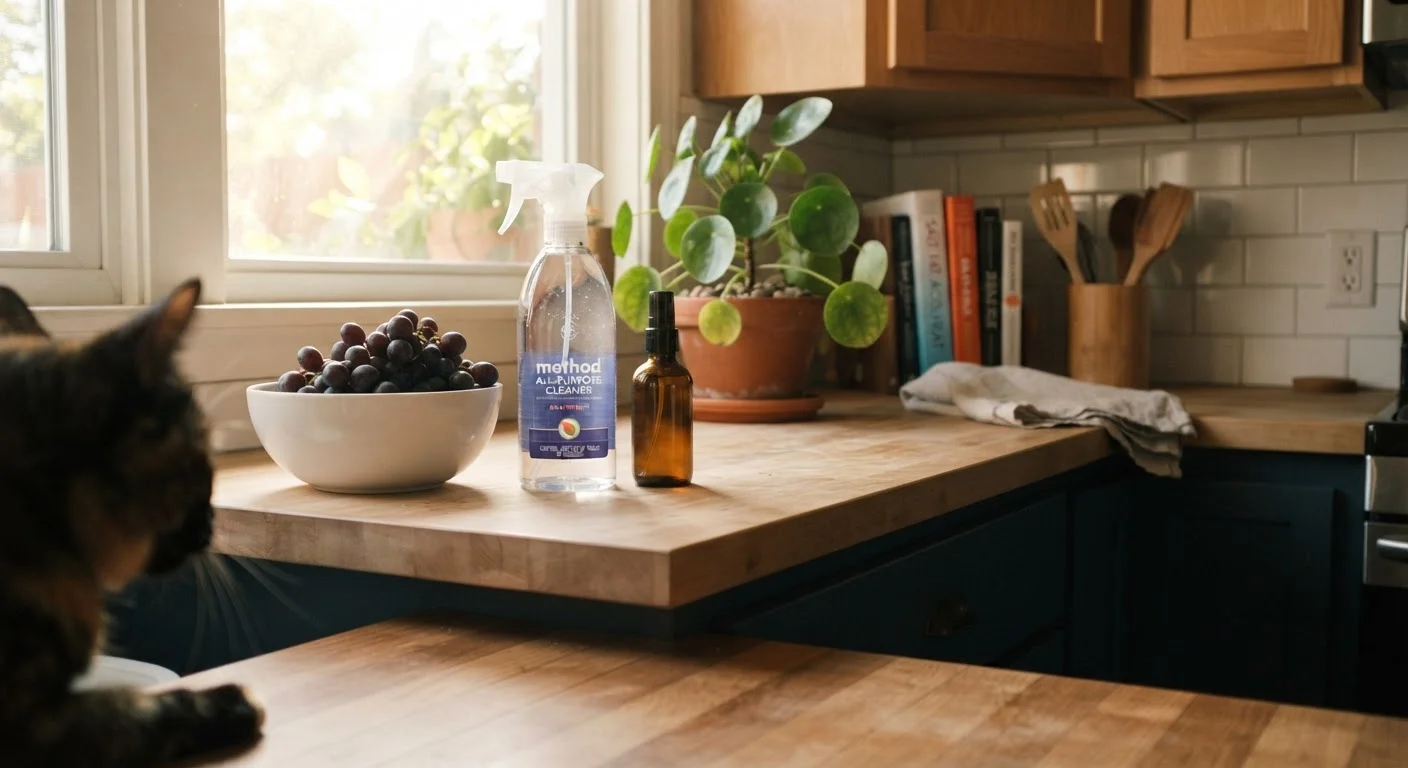
Photo credit: SnippetColumns.com | Easy Search, Reliable Information
In this article
Many everyday products — foods, plants, and cleaning agents — are harmful to dogs and cats. Know what to keep out of reach and what signs warrant urgent care.
Key Takeaways
- Common foods like grapes, xylitol, and onions can cause serious organ damage in pets.
- Many popular houseplants — including lilies and sago palms — are highly toxic to dogs and cats.
- Household cleaning products and medications should always be stored in secured, pet-inaccessible locations.
- Even small exposures to certain toxins can be life-threatening; contact a vet or poison hotline immediately.
- Prevention through proper storage and awareness is the most effective way to protect your pet.
What's Safe for You May Be Dangerous for Your Pet
Pets explore their world with their noses and mouths — which means ordinary household items become potential hazards the moment they're within reach. The ASPCA Animal Poison Control Center fields hundreds of thousands of calls each year, and a significant portion involve substances found in most American homes. The troubling reality is that many owners don't know something is toxic until after exposure has occurred.
This guide covers the most common categories of household hazards — from the kitchen and medicine cabinet to the living room windowsill. For a closer look at specific dangerous foods and the mechanisms behind their toxicity, see our detailed food toxicity guide. And for broader strategies to keep your pet safe and healthy day to day, the Daily Pet Care hub is a helpful resource.
Symptoms of Poisoning Can Vary Widely
Signs of toxic exposure in pets may include vomiting, diarrhea, drooling, lethargy, tremors, difficulty breathing, pale gums, or sudden collapse. However, some toxins cause delayed symptoms — meaning a pet may appear fine initially before deteriorating. Never assume your pet is unaffected simply because they seem normal right after potential exposure. Always contact a veterinarian when exposure is suspected.
Common Household Hazards Every Pet Owner Should Know
Human Medications
Over-the-counter and prescription drugs are among the most frequently reported pet toxins. Pain relievers such as ibuprofen and acetaminophen are particularly dangerous: even a single tablet can cause kidney failure or severe liver damage in cats and dogs. Antidepressants, sleep aids, and ADHD medications are also high-risk. Always store all medications — including vitamins and supplements — in closed, elevated cabinets that a curious pet cannot open or knock over.
A single ibuprofen tablet can cause life-threatening kidney damage in dogs or cats.
Toxic Foods From the Kitchen
Grapes and raisins can trigger acute kidney failure in dogs, sometimes in very small amounts. Xylitol — a sweetener found in sugar-free gum, some peanut butters, and baked goods — causes rapid insulin release and can lead to hypoglycemia or liver failure. Onions and garlic (in all forms: raw, cooked, or powdered) damage red blood cells and cause anemia. Chocolate contains theobromine, which dogs metabolize far more slowly than humans, making even modest quantities dangerous. Keep these items off counters and behind closed pantry doors.
Grapes, xylitol, onions, and chocolate are among the most dangerous kitchen items for pets.
Toxic Houseplants
Several popular indoor and outdoor plants are highly toxic to pets. Lilies (particularly true lilies in the Lilium and Hemerocallis genera) can cause acute kidney failure in cats — even brief contact with pollen or water from the vase poses a risk. Sago palm is extremely toxic to both dogs and cats, with ingestion of even small amounts of the plant causing liver failure. Other hazardous plants include pothos, philodendron, oleander, and azalea. Before adding any new plant to your home or yard, verify its safety using a resource such as the ASPCA's toxic plant database.
Lilies and sago palms are among the most lethal houseplants for cats and dogs respectively.
Cleaning Products and Household Chemicals
Many common cleaning agents — bleach, ammonia-based sprays, drain cleaners, and disinfectant tablets — are corrosive or toxic to pets that walk through residue and then groom their paws, or that inhale fumes in enclosed spaces. Antifreeze (ethylene glycol) is especially dangerous: it has a sweet taste that attracts animals, and even a small amount can cause fatal kidney failure. Rodenticides and insecticides pose obvious risks as well. After cleaning floors or surfaces, ensure adequate ventilation and allow surfaces to dry fully before allowing pets back into the area.
Antifreeze has a sweet taste that attracts pets, yet even small ingestion can be fatal.
Essential Oils and Personal Care Products
Essential oils have grown in household popularity, but many are harmful — particularly to cats, whose livers lack key enzymes needed to metabolize certain compounds. Tea tree oil, eucalyptus, peppermint, and pennyroyal are among those associated with toxicity in pets. Concentrated diffusers can expose pets through inhalation or skin contact. Similarly, some human cosmetics, nail polish removers, and dental products containing xylitol should be stored away from pets. When in doubt about a product's safety, consult your veterinarian before using it in a shared space.
Cats are especially vulnerable to essential oils due to differences in liver metabolism.
Keep Emergency Contacts Accessible
Post the ASPCA Animal Poison Control Center number (888-426-4435) and your veterinarian's after-hours line somewhere visible in your home. In a potential poisoning situation, fast action matters — having the number ready saves critical time. Note that some poison control services may charge a consultation fee.
Building a Safer Home Environment
Awareness is only the first step — acting on it makes the difference. Store medications in latched cabinets, keep cleaning products out of low-lying under-sink areas, and research any new houseplant before bringing it indoors. If you're unsure about a substance your pet has contacted or consumed, don't wait for symptoms to appear. Contact your veterinarian or the ASPCA Animal Poison Control Center promptly.
Recognizing when your pet is unwell is equally important. Our guide on signs your pet may be in pain can help you identify behavioral and physical cues that warrant urgent attention. Pair that knowledge with consistent preventive care to give your pet the strongest possible foundation for long-term health.
This article is for general informational purposes only and is not a substitute for veterinary advice. If you believe your pet has been exposed to a toxic substance, contact a licensed veterinarian or an animal poison control service immediately.

Author
Pets & Animal Care Editorial Team
Pets & Animal Care Editorial Team is the collective byline for our editorial team and contributor network. Articles published under this byline or an editorial pen name are researched, written, and reviewed according to our editorial standards for clarity, consistency, and independence before publication.
View all articles →