
Foods That Are Toxic to Pets — and Why They Cause Harm
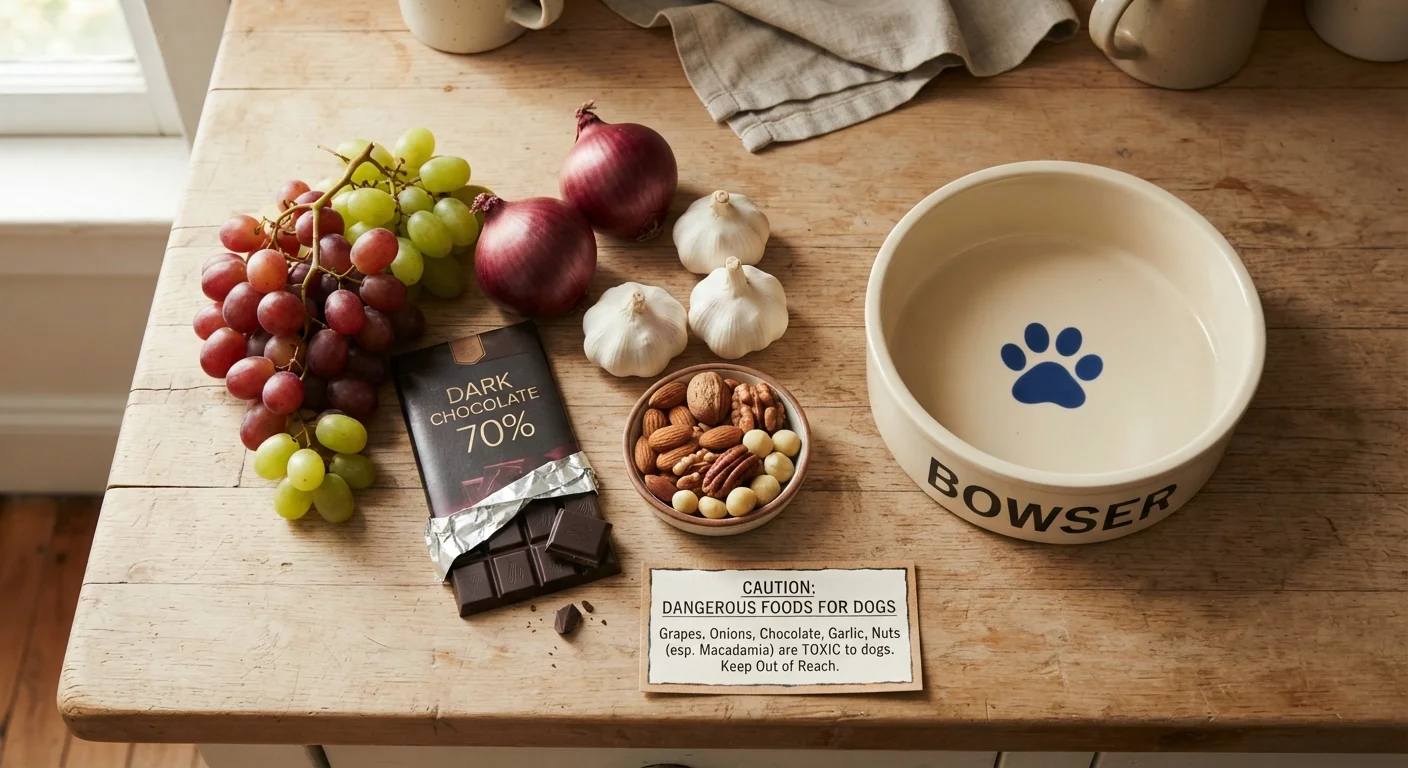
Photo credit: SnippetColumns.com | Easy Search, Reliable Information
In this article
Grapes, onions, xylitol, and more — understand which common human foods are dangerous to pets, the mechanisms behind the toxicity, and what to do if your pet ingests them.
Why Human Foods Can Be Dangerous to Pets
Pets metabolize compounds very differently than humans do. A food that's harmless or even healthful for a person can trigger organ failure, neurological damage, or life-threatening anemia in a dog or cat. Understanding why a food is toxic — not just that it is — helps owners make smarter decisions about what's shared from the table and how to respond in an emergency.
This reference covers the most significant food toxins documented by veterinary toxicologists, the biological mechanism behind each, and the signs to watch for. For a broader look at hazardous household items beyond food, see common household toxins that affect pets.
| Most unpredictable toxin | Grapes and raisins (mechanism unknown) (ASPCA Animal Poison Control Center) |
| Fastest-acting food toxin in dogs | Xylitol (insulin spike within 30 minutes) (Veterinary toxicology literature) |
| Species with higher allium sensitivity | Cats more sensitive than dogs (Merck Veterinary Manual) |
| Chocolate compounds to know | Theobromine and caffeine (methylxanthines) (Merck Veterinary Manual) |
| Emergency resource | ASPCA Animal Poison Control: (888) 426-4435 (Available 24 hours; fee may apply) |
High-Risk Foods and Their Mechanisms
Grapes and raisins — The toxic compound in grapes remains unidentified, which makes the risk especially unpredictable. Even small amounts have caused acute kidney failure in some dogs, while other dogs have eaten larger quantities without apparent effect. Because sensitivity varies and the mechanism is unknown, the safest approach is total avoidance.
Onions, garlic, leeks, and chives — All allium-family vegetables contain organosulfur compounds that damage red blood cells in both dogs and cats, leading to hemolytic anemia. Cats are more sensitive than dogs, but repeated small exposures (such as garlic powder sprinkled on food over time) are just as dangerous as a single large dose.
Xylitol — This sugar alcohol, widely used in sugar-free gums, some nut butters, and certain baked goods, causes a rapid and dangerous release of insulin in dogs, dropping blood sugar to life-threatening levels. At higher doses, xylitol is also associated with acute liver failure. Always check ingredient labels before sharing any packaged human food with your dog. Learn which label details genuinely matter when reviewing ingredient lists.
Chocolate and caffeine — Both contain methylxanthines (theobromine and caffeine), which dogs and cats cannot metabolize efficiently. These compounds overstimulate the heart and nervous system, causing vomiting, seizures, and in severe cases, cardiac arrest. Dark chocolate and baking chocolate carry far higher concentrations than milk chocolate.
Macadamia nuts — The toxin is unidentified, but ingestion in dogs reliably causes weakness, hyperthermia, vomiting, and tremors within 12 hours. Symptoms typically resolve within 48 hours, but veterinary supportive care is recommended.
Alcohol and raw yeast dough — Ethanol is far more toxic to pets than to humans. Raw yeast dough compounds the risk: it ferments in the warm stomach, producing ethanol and expanding in volume, potentially causing both alcohol toxicosis and gastric obstruction.
Hemolytic anemia
A condition in which red blood cells are destroyed faster than the body can produce them, reducing oxygen delivery to tissues. In pets, allium vegetables are a common dietary trigger.
Methylxanthines
A class of compounds that includes theobromine (found in chocolate) and caffeine. Pets metabolize these much more slowly than humans, allowing toxic concentrations to build up in the body.
Xylitol
A sugar alcohol used as a sweetener in many human food products. In dogs, it triggers an abnormal release of insulin, causing dangerously low blood sugar and potential liver damage.
Organosulfur compounds
Sulfur-containing chemicals found in allium-family vegetables like onions and garlic. These compounds oxidize red blood cells in pets, making them fragile and prone to rupture.
Toxicosis
A state of poisoning caused by exposure to a toxic substance. In veterinary contexts, food toxicosis refers specifically to illness resulting from ingesting a harmful food or ingredient.
What to Do If Your Pet Ingests a Toxic Food
Time matters significantly with food toxicosis. If you suspect your pet has ingested any of the substances listed above, contact your veterinarian or a pet poison helpline immediately — do not wait for symptoms to appear. Some toxins, like xylitol, cause rapid drops in blood sugar within 30 minutes, while others, like grapes, may not produce visible signs for 24 hours or more.
Do not attempt to induce vomiting without professional guidance. In some situations, inducing vomiting can cause additional harm depending on what was ingested and how much time has passed.
When you call, have ready: the pet's species and weight, the specific food ingested, the estimated amount, and roughly how long ago ingestion occurred. This information helps clinicians triage accurately and recommend the right course of action.
If you prepare food at home for your pet, understanding toxic ingredients is essential — see nutritional gaps in homemade pet food to build meals that are both safe and complete. For a broader view of what science actually supports in pet nutrition, common pet nutrition myths is a useful companion read.
This article is for general informational purposes only and is not a substitute for veterinary advice. Always consult a licensed veterinarian for guidance specific to your pet's health and situation.

Author
Pets & Animal Care Editorial Team
Pets & Animal Care Editorial Team is the collective byline for our editorial team and contributor network. Articles published under this byline or an editorial pen name are researched, written, and reviewed according to our editorial standards for clarity, consistency, and independence before publication.
View all articles →