
Pet Nutrition Myths That Persist Despite the Evidence
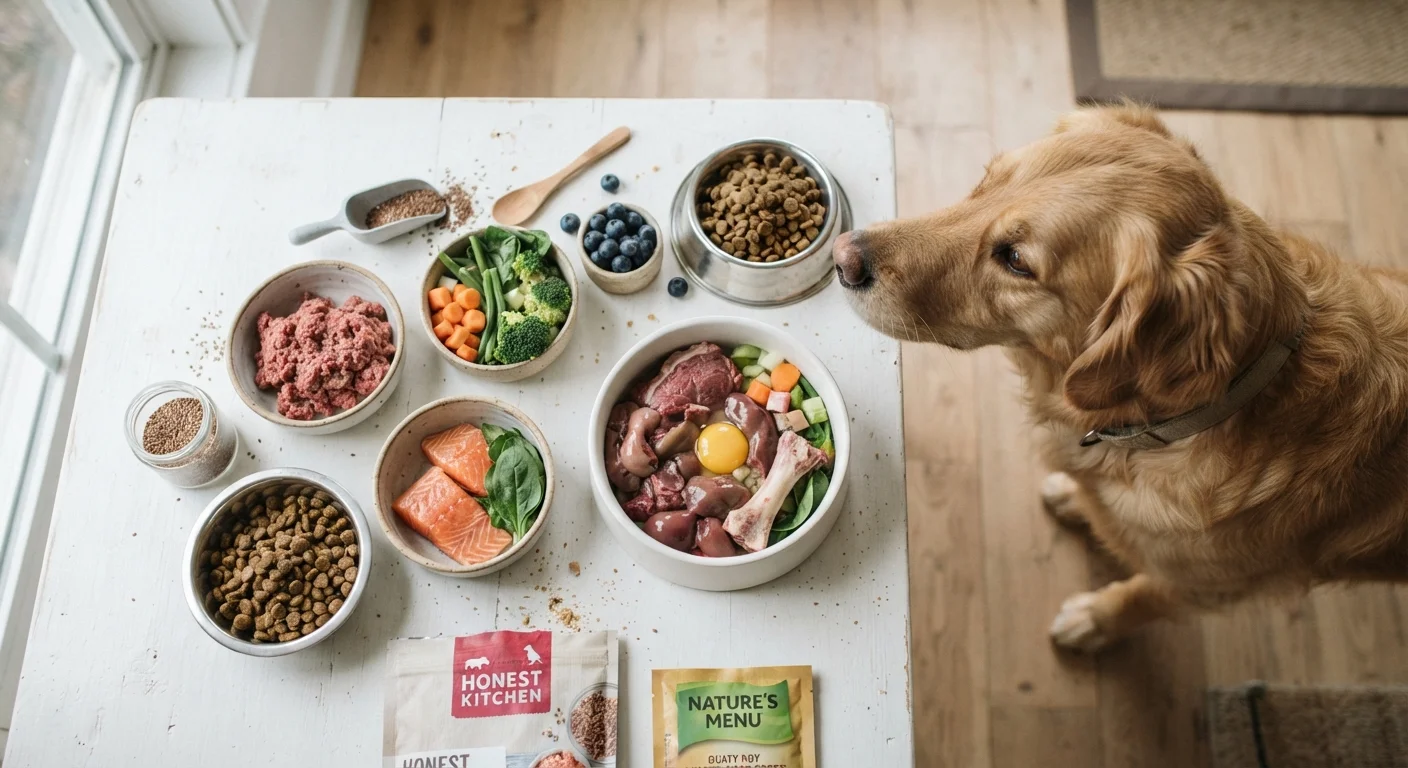
Photo credit: SnippetColumns.com | Easy Search, Reliable Information
From raw diets to grain-free food, many popular beliefs about pet nutrition aren't backed by science. Here's what veterinary consensus actually says.
Key Takeaways
- Grain-free diets have been linked to a form of heart disease in dogs and lack proven benefits for most pets.
- Raw diets carry real food-safety risks for both pets and the humans who handle the food.
- Homemade meals often miss critical nutrients unless formulated by a veterinary nutritionist.
- Life stage, health status, and species should drive feeding decisions — not marketing trends.
- Your veterinarian is the most reliable source for diet recommendations tailored to your specific pet.
Why Pet Nutrition Myths Are So Persistent
Pet owners want what's best for their animals, and that genuine care makes them receptive to compelling stories about food. Marketing language, social media communities, and anecdotal success stories can spread faster than peer-reviewed research — and once a belief takes hold, it's remarkably hard to dislodge. This article examines some of the most enduring misconceptions about pet nutrition, why they feel convincing, and what the current veterinary evidence actually supports.
For a broader look at how dietary needs shift across a pet's life, see our guide to pet nutrition across life stages. And if you want to decode what's actually in your pet's food, our piece on ingredient red flags on pet food labels is a useful companion read.
Myth
Grain-free diets are healthier and more natural for dogs.
Fact
Grain-free diets have not been shown to benefit most dogs and have been associated with a serious heart condition called dilated cardiomyopathy (DCM).
The appeal of grain-free food is understandable — grains can sound like cheap fillers, and "ancestral diet" marketing is persuasive. However, dogs are not obligate carnivores, and grains like rice, oats, and barley are digestible, nutritious ingredients that have been safely used in commercial pet food for decades.
Beginning around 2018, the U.S. Food and Drug Administration (FDA) began investigating a potential link between grain-free diets — particularly those high in legumes like peas and lentils — and an increased incidence of DCM in breeds not typically predisposed to the condition. Research is ongoing and the mechanism is not yet fully established, but veterinary cardiologists have urged caution. Our in-depth piece on grain-free diets for dogs covers the science in detail.
Myth
Raw food diets are safer and more nutritious than commercial kibble.
Fact
Raw diets carry documented food-safety risks and frequently fail to meet complete nutritional standards without expert formulation.
Proponents of raw feeding argue that uncooked meat, bones, and organs mirror what animals ate before domestication. The veterinary consensus, however, is more cautious. Studies have found raw pet foods commonly contaminated with pathogens including Salmonella, Listeria, and E. coli — posing a risk not just to pets but to the people and other animals in the household, particularly those who are immunocompromised.
Nutritional balance is also a concern. Many raw diets — whether commercially prepared or home-assembled — contain inappropriate calcium-to-phosphorus ratios, inadequate vitamins, or excessive levels of certain minerals. Whole bones present choking and intestinal perforation risks. For a thorough look at the evidence, see our article on raw food diets for pets.
Myth
Homemade pet food is always a healthier choice than commercial options.
Fact
Most homemade recipes — even those found in books or online — are nutritionally incomplete and can cause deficiencies over time.
Cooking for a pet feels like a loving, transparent choice. The problem is that meeting all of a dog's or cat's micronutrient requirements at home is genuinely difficult without professional guidance. Research has found that the majority of homemade dog food recipes available online or in popular books are deficient in at least one essential nutrient — and often several.
Long-term nutritional gaps can lead to conditions like hypocalcemia, vitamin D deficiency, or imbalanced omega fatty acid ratios, depending on what the recipe lacks. If you're committed to home-prepared meals, working with a board-certified veterinary nutritionist to formulate a balanced recipe is strongly recommended. Our article on nutritional gaps in homemade pet food outlines what most recipes miss.
Myth
By-products in pet food are low-quality waste with no nutritional value.
Fact
Named animal by-products — such as liver, kidney, and lung — are nutrient-dense organ meats that have been used safely in pet food for generations.
The word "by-product" triggers alarm for many owners, but the term has a precise regulatory meaning. AAFCO defines meat by-products as the non-rendered, clean parts of slaughtered animals other than meat — including organs like liver, kidney, and spleen, which are actually among the most nutritionally concentrated parts of an animal.
The relevant distinction is between named by-products (e.g., "chicken by-products") and unnamed or generic ones. Named sources are tracked and regulated; quality concerns are more legitimate with unspecified origins. For a fuller breakdown, our piece on protein sources in pet food explains how different ingredients function in your pet's diet.
Myth
Cats can thrive on a plant-based or vegetarian diet.
Fact
Cats are obligate carnivores and require specific nutrients — including taurine, arachidonic acid, and preformed vitamin A — found only in animal tissue.
Unlike dogs, who have some metabolic flexibility, cats cannot synthesize several essential nutrients from plant precursors. Taurine deficiency in cats causes dilated cardiomyopathy and retinal degeneration — conditions that were actually common before the pet food industry made taurine supplementation standard in commercial cat food. Arachidonic acid and retinol (preformed vitamin A) are similarly non-negotiable for feline health and must come from animal sources.
Plant-based diets for cats, even when supplemented, carry a meaningful risk of falling short on these nutrients. This is an area where veterinary consensus is clear: cats require animal-based nutrition to remain healthy. Always consult a veterinarian before considering any non-standard diet for a cat.
What to Do Instead of Following Trends
The most reliable path to good pet nutrition isn't found in trending diets — it's built on a few straightforward principles: feeding a complete and balanced food appropriate to your pet's species and life stage, maintaining a healthy body weight, and scheduling regular veterinary checkups where diet can be revisited as your pet ages.
Don't Switch Diets Without Veterinary Input
Rapidly changing your pet's diet — especially to a raw, grain-free, or homemade regimen — without professional guidance can cause gastrointestinal upset, nutritional imbalances, or worsen underlying health conditions. Introduce any new food gradually and always discuss significant dietary changes with your veterinarian first. If your pet has a pre-existing condition such as kidney disease, diabetes, or food allergies, diet adjustments should only be made under direct veterinary supervision.
Pet obesity is one of the most underrecognized health threats, and feeding practices play a central role. Our article on the weight problem vets rarely get asked about explores this in detail. Feeding schedules also matter more than many owners realize — the free-feeding vs. scheduled meals comparison lays out the trade-offs clearly.
This article provides general educational information about pet nutrition and is not a substitute for advice from a licensed veterinarian. Always consult your vet before making significant changes to your pet's diet, especially if your pet has an existing health condition.

Author
Pets & Animal Care Editorial Team
Pets & Animal Care Editorial Team is the collective byline for our editorial team and contributor network. Articles published under this byline or an editorial pen name are researched, written, and reviewed according to our editorial standards for clarity, consistency, and independence before publication.
View all articles →